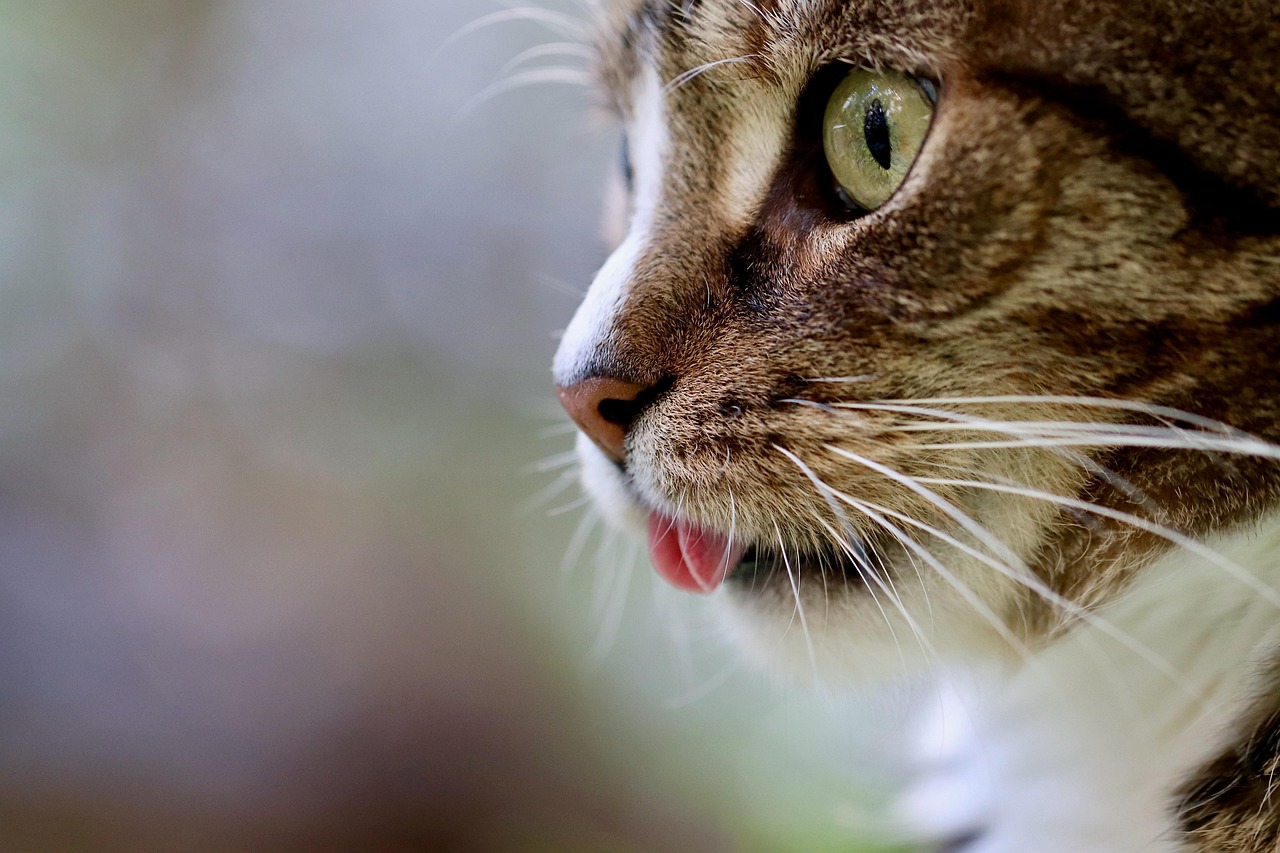

Debunking Myths About Cat Vaccinations in Awareness Campaigns
Cat vaccinations are crucial for the overall health of our feline friends. However, there are many misconceptions surrounding this vital part of pet care. Many people believe that vaccines are unnecessary for indoor cats, yet even those cats are at risk for certain diseases brought in by humans, insects, or other animals. It is essential to educate pet owners about the risks of not vaccinating their cats. Vaccines help stimulate the cat’s immune system to protect against various infectious diseases. Common misconceptions include the belief that vaccines make cats sick or that they contain harmful substances. In reality, vaccines are rigorously tested for safety before approval, and side effects are usually mild. Programs focusing on vaccination awareness should highlight these facts to alleviate concerns. Furthermore, highlighting the importance of consulting with a veterinarian ensures that each cat receives appropriate vaccines tailored to its lifestyle and health. Community outreach programs can facilitate this education, making it easier for pet owners to access reliable information. Ensuring proper vaccinations significantly reduces the chances of outbreaks, contributing to community health as well.
Another widespread myth is the belief that vaccinations can lead to a spectrum of health issues, such as autoimmune disorders in cats. While all medical interventions carry some risk, extensive research indicates that the benefits of vaccinations far outweigh potential risks. Vaccines are one of the most effective ways to prevent deadly diseases such as feline leukemia and feline distemper. It is vital to combat misunderstandings with credible data and research. Pet owners should be informed on what each vaccine does and the diseases it safeguards against. Utilizing vaccination awareness campaigns can serve to inform how vaccines stimulate immunity and can even demonstrate real-life case studies. For those concerned about over-vaccination, veterinarians can help customize vaccine schedules for different ages and lifestyles, employing titer testing to assess immunity. Additionally, addressing these myths openly can empower pet owners to choose informed healthcare for their cats effectively. Proper awareness campaigns are critical to foster a stronger bond between pet owners and their veterinarians, leading to overall enhanced health for cats across communities, thus proceeding with responsible ownership practices.
Understanding Core and Non-Core Vaccines for Cats
The distinction between core and non-core vaccines is often misunderstood among cat owners. Core vaccines, which should be administered to every cat, protect against severely contagious diseases like feline panleukopenia, feline calicivirus, and rabies. On the other hand, non-core vaccines are recommended based on individual risk factors. Non-core vaccines might include those against feline leukemia and Bordetella, depending on a cat’s lifestyle and geographic area. Awareness campaigns should aim at educating owners about which vaccines are essential for their situations. This way, they can make informed decisions about their cat’s health, ultimately reducing the spread of preventable diseases. Community workshops and online resources can help owners familiarize themselves with vaccination schedules for kittens and engaging adults. Providing clear guidelines on when and how often to vaccinate will encourage better compliance. Engagement initiatives can allow veterinarians to demonstrate the importance of regular veterinary visits, where vaccine administration takes place. Empowering pet owners in this manner is vital to foster confidence in their decision-making process associated with their feline companions.
One of the effective methods to spread awareness about vaccinations is through social media platforms. Online platforms act as invaluable tools to broadcast facts, share stories, and dispel myths about cat vaccinations. Various organizations and veterinarians can utilize social media to share visual content and informative articles that correct misinformation. Engaging posts, like infographics that illustrate the vaccination process or testimonials from satisfied pet owners, can reach a wider audience. Employing hashtags relevant to cat health can help reach interested viewers who may not otherwise have encountered these messages. Moreover, social media campaigns can foster online communities that support and guide new pet owners, creating a network of information sharing. This sense of connection can also combat feelings of isolation that pet ownership can sometimes bring, particularly during uncertain times. Community groups on platforms like Facebook can serve as informal support systems for discussing vaccination experiences and advice. Promoting compelling content through social media maximizes the potential of changing perceptions and encouraging positive health habits in the cat-owning community.
Incorporating Educational Resources
Incorporating educational resources into vaccination awareness campaigns is pivotal for maximizing impact. Providing printed materials, brochures, and website resources enables pet owners to access reliable, researched information quickly. Materials could cover frequently asked questions regarding vaccine safety, necessity, and administration processes. Hence, creating visually appealing resources that capture attention while providing substantial information can encourage pet owners to seek vaccines actively. It is essential to discuss these concepts with pet owners during regular vet visits. Vets can also build trust with their clients through consistent communication and discussions that clarify any vaccine-related concerns. Host public events, such as community workshops or ‘pet health days’ where local veterinarians can provide free talks and Q&A sessions. Use these events to remind attendees about the importance of vaccinations through various educational methods. Make these workshops engaging by utilizing interactive elements, such as quizzes or information exchanges, encouraging interaction among attendees. This way, owners learn the importance of vaccinations in a positive and engaging environment, directly influencing their cat-related healthcare choices.
Combatting misinformation should also involve addressing the specific concerns of different demographics. For instance, younger audiences may rely heavily on online platforms for information, while older pet owners might prefer traditional media. Tailoring communication methods ensures that accurate information about cat vaccinations reaches a broader audience. Collaborating with veterinarians and local shelters helps create comprehensive campaigns that speak directly to the community’s needs. Additionally, reaching out to pet influencers can amplify messages and sway public perception effectively. Involving community members in vaccination campaigns can foster grassroots efforts that focus on education and shared experiences. Crafting relatable stories about exposure and the health benefits of vaccinations aligns the campaign with real-life scenarios. Setting actionable goals for awareness campaigns encourages collective participation, creating a stronger community presence surrounding cat vaccinations and their importance. In turn, encouraging active participation can lead to increased vaccine uptake, positively impacting overall cat health within communities. This collaborative environment encourages proactive ownership behaviors and fosters informed health decisions about feline care.
Conclusion: Building a Healthier Future for Cats
In conclusion, dispelling myths about cat vaccinations is essential for the well-being of our feline companions. Vaccination awareness campaigns must utilize multiple platforms to reach and educate a variety of audiences effectively. Addressing myths with proper information empowers pet owners while fostering trust between pets and their caregivers. Integrating resources, engagement initiatives, and tailored education based on audience demographics helps maximize outreach. Including the community in vaccination campaigns generates powerful connections and amplifies shared knowledge. Establishing regular communication and workshops within communities reinforces a culture of informed pet care. Ultimately focusing on the collective goal of improving cat health ensures that fewer outbreaks occur, creating a healthier future for our beloved pets. It is not only about preventing diseases but also about creating a supportive environment for those who care for animals. This journey begins with knowledge. Creating an informed, proactive community not only benefits cats but reflects on the pet ownership experience, leading to healthier, happier lives for all. With dedication, we can change the narrative around cat vaccinations and secure a healthier future for cats everywhere.
By continually spreading these messages and correcting misinformation, we can impact both individual cats and communities positively. Consistency is key in ensuring that pet owners are always equipped with the right knowledge; they can further spread awareness to family and friends. These movements pave the way for legislation, requiring stringent vaccination schedules in pet ownership, emphasizing the responsibility owners have in caring for their pets. With our collective effort, more cats will receive the vaccinations they need, strengthening our commitment to improving feline health on a wider scale. Join the conversation surrounding cat vaccinations and make a difference today!