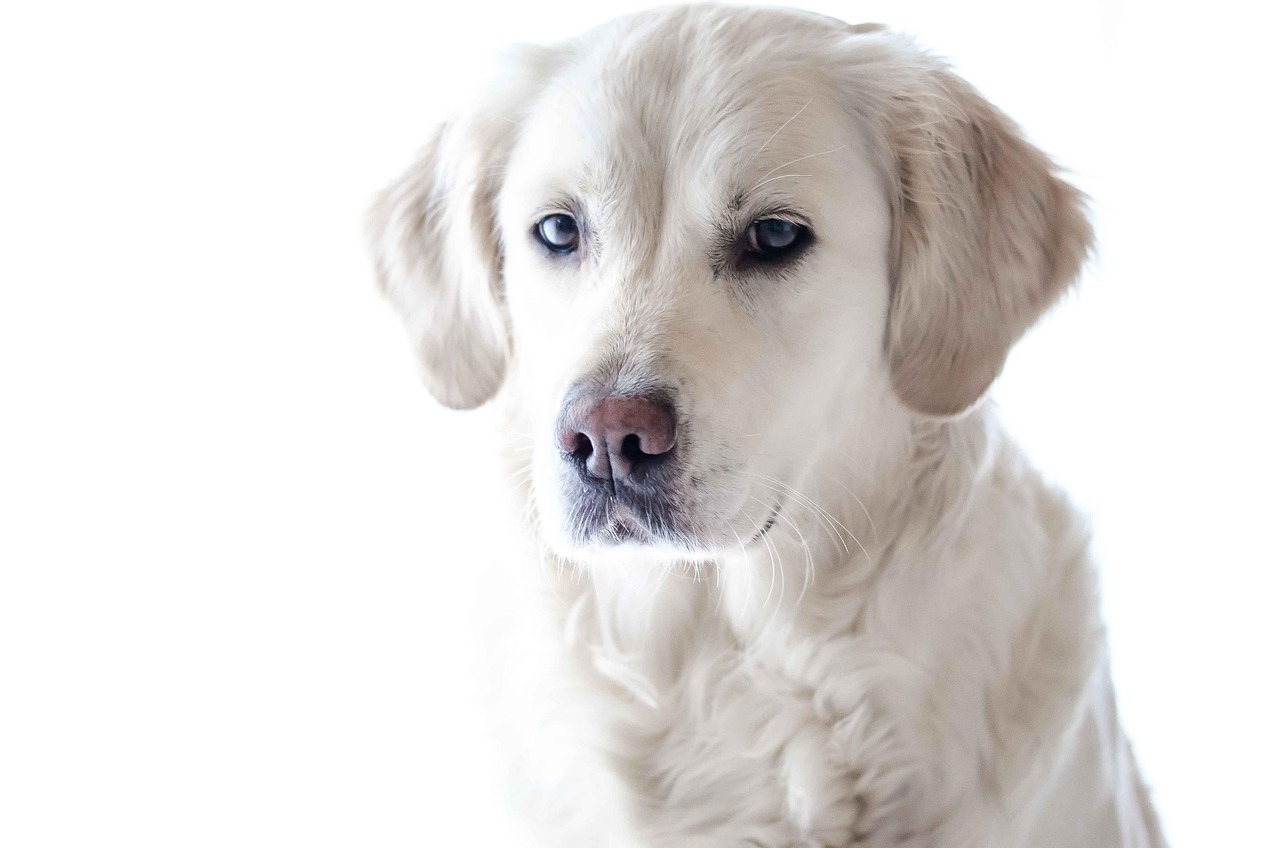

How to Photograph Dogs: Tips to Get Started
Dog photography is a rewarding yet challenging endeavor. To capture stunning images of your canine friends, start by understanding their behavior. Dogs are often playful and energetic, so patience is vital. Trying to anticipate their movements can lead to spectacular shots. Utilizing the right equipment can also make a difference. A DSLR or mirrorless camera will provide better quality images compared to a smartphone. A zoom lens can help you get close-up shots without invading their space. Additionally, consider using a faster shutter speed to freeze action shots. Lighting plays a critical role in photography as well. The best time to photograph dogs is during the golden hour, either early in the morning or late in the evening. The soft, natural light can soften shadows and enhance their features. Finally, don’t forget to focus on the eyes. Sharp, well-lit eyes can convey the dog’s personality. Remember, practice makes perfect. So get out there and start snapping photos of your furry friends!
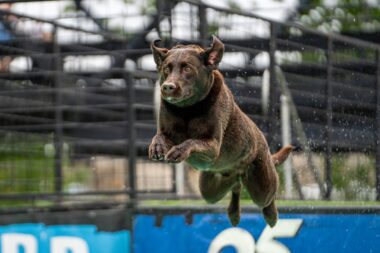
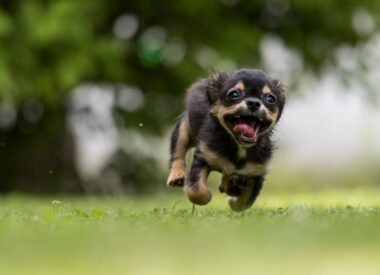
Creating the perfect environment is also crucial for capturing great dog photos. Choose a location that complements your dog’s personality. For instance, a golden retriever might thrive at the beach, while a bulldog could prefer a cozy park setting. Bring along their favorite toys or treats to keep them engaged and focused. This can trigger playful behavior and provide beautiful, candid shots. Ensure that the area is free of distractions, helping your furry model to stay focused. Try to maintain a low angle while photographing. This perspective aligns more authentically with the dog’s viewpoint. Capturing the world through their eyes can add depth and emotion to your photos. Experimenting with different backgrounds enhances the visual appeal of the images as well. Always look for contrasting colors to make your dog pop in the photograph. Be attentive to the colors; bright greens or warm autumn leaves can create striking contrasts. Moreover, consider incorporating movement into your shots. Dogs are active animals, so photographs of them running or jumping can capture their spirit beautifully. Embrace the chaos of dog photography.
Techniques for Capturing Dogs on Camera
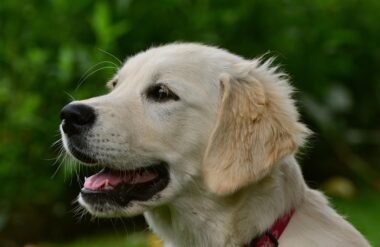
When photographing dogs, various techniques can enhance your results. First, consider using natural light whenever possible; this can soften the shadows and provide better colors. Avoid the harsh midday sun as it often creates unflattering contrasts. If indoors, observe how the light enters the room; positioning your dog near a window can result in lovely, soft images. Timing is everything, and knowing when to click the shutter can transform your shots. Wait for those split-second moments when your dog does something unique or shows emotion. This could be a jump, a tilt of the head, or a playful paw. Furthermore, focus heavily on the dog’s expression. Emotions can be conveyed predominantly through facial features. Additionally, utilizing a continuous shooting mode can help you capture the best frame amid action shots. Another essential technique is framing. Think about the composition before you take the picture. Applying the rule of thirds can help you put your subject in a captivating environment. Last, don’t forget about post-processing. Adjusting brightness and contrast in editing software can elevate your dog images significantly.
Exploring different angles and perspectives is an essential part of dog photography. Rather than always shooting from above, try getting down to your dog’s eye level. This adjustment often results in more engaging photos. Moreover, try experimenting with unique angles such as capturing them from below or side views. Each angle provides a new story in the image. Highlighting specific traits can add character and focus, bringing distinct features to life. For instance, showcasing their floppy ears or wagging tails can easily tell a story. Always keep in mind the background. A cluttered backdrop can distract from your subject. Look for areas that provide simplicity and complement your dog’s colors. Speaking of colors, consider using them to your advantage. Think about coordinating your dog’s collar or bandana with the background for artistic appeal. Additionally, photographing dogs at play can convey their spirit and joy. Candid moments typically yield the most magical results. Capture their enthusiasm, as it encapsulates their personality beautifully. Encourage interaction and fun; this not only makes it enjoyable for the dog but can also yield vibrant images.
Bringing Out Your Dog’s Personality
Every dog has its own unique personality, and capturing that essence can be the highlight of dog photography. Understanding your dog’s character is the first step to photographing them authentically. If your dog is timid, forcing them into play may not work; instead, find a calmer activity that makes them comfortable. Observe how they interact with their environment and channel those moments into photographs. Look for traits that stand out: is your dog curious, playful, or gentle? Each trait can lead to different photography opportunities. For example, if they love to play fetch, capturing them mid-run allows you to highlight their energy and excitement. Likewise, if they are quiet and contemplative, photos of them lying peacefully can be beautiful. Utilize treats or toys to evoke certain behaviors that showcase their personalities. Candid photography often reveals their true essence, so consider shooting them while they’re unaware of the camera. This may require some stealth, but it’s often worth the effort as these images can be incredibly telling. Finally, make sure to include elements that signify their personality, such as favorite toys or blankets.
Editing is often a crucial step in dog photography that can enhance your images markedly. Utilize programs like Adobe Lightroom or Photoshop, which offer extensive tools for adjustments. Begin with basic edits; adjusting exposure and contrast can dramatically improve a digital photo. Pay close attention to sharpness; crisp images often captivate viewers. You might also want to crop images strategically to enhance framing and remove distractions. The use of filters could further elevate a photo’s aesthetic appeal. However, use these sparingly to maintain authenticity. While oversaturation or heavy effects can distract, subtle enhancements can create an alluring look. Be mindful of the colors. Brighten the colors to bring joy and vibrance, but avoid altering their natural appearances. Consider black and white conversions, which can add a timeless element to your pictures, emphasizing emotion over color. Comparing before and after images can help you hone your editing skills. It’s all about refining your style while maintaining the essence of your furry model. Also, remember to save your edits as new copies, allowing you to preserve the original images for future use or adjustments.
Final Tips to Remember
As you embark on your dog photography journey, remember that spontaneity adds charm. Dogs are unpredictable, making them interesting subjects. Capture both posed images and candid moments to showcase their personality fully. Also, keep your camera settings in mind; understanding how aperture, ISO, and shutter speed interact is vital. Practice shooting in various modes, trying out adjustments before you start the session. It might take time to find what works best for you! Don’t hesitate to take multiple shots; a burst of photos can ensure you capture the perfect moment. Moreover, consider involving friends or other dogs during shoots; this can often bring out playful behavior in your dog. Sessions become more fun and organic with friends around. Remain patient and always have treats on hand to reward your dog; this can help with motivation and positive experiences during shoots. Lastly, enjoy the process! Each photo tells a story and showcases the incredible bond you share with your dog. Documenting these moments not only creates lasting memories but helps hone your skills as a photographer, allowing you to capture more stunning images in the future.
In conclusion, dog photography is an enjoyable journey that allows you to bond with your pet while enhancing your photographic skills. By understanding your dog’s behavior and personality, utilizing the right techniques, and experimenting with angles, you can capture truly memorable images. Don’t shy away from practice; the more you photograph your dog, the better you will become at knowing how to make the most of each session. Keep experimenting with editing to improve the quality of your photos. Reflect on what aspects you’d like to adjust and learn through each experience. Every time you capture a photo, you’re telling a story, and your unique perspective will shine through. Remember, the ultimate goal is to create art that encapsulates your dog’s spirit and the special connection you share. With patience, creativity, and a little experimentation, you can create stunning dog portraits that you will cherish for a lifetime. So, grab your camera, head out with your dog, and start capturing all those wonderful moments. Happy photographing!