
Preparing Emotionally for Your Dog’s Cancer Journey
Receiving the diagnosis of cancer in your dog can be a heart-wrenching moment filled with disbelief, sadness, and confusion. It is normal to feel overwhelmed by a myriad of emotions as you navigate through the complexities and uncertainties associated with this difficult situation. Allowing yourself to grieve, express emotions, and seek support from others who understand can be incredibly beneficial. Often, veterinarians and dog health specialists can provide guidance on coping and what to expect in the coming months. Taking the time to learn about the specific type of cancer diagnosed can empower you with knowledge that allows you to be involved in decision-making. It’s essential to prioritize your emotional well-being in this journey. Engage with trusted friends or professionals, and don’t hesitate to reach out for mental health support if it becomes necessary during this challenging time. Proper care also involves your mindset, which is integral in helping your dog feel relaxed during treatments. Creating a structured plan can alleviate anxiety and provide clear direction for both you and your pet at this time of need.
The emotional impact of a cancer diagnosis extends beyond just the initial shock and disbelief. As a dog owner, the fear of losing your beloved companion looms large, which can lead to constant worrying about your dog’s condition and well-being. It is essential to acknowledge the cycle of emotions you may experience, ranging from hope to despair. This unpredictable emotional state can take a toll on both your physical and mental health, emphasizing the importance of self-care. Engaging in relaxing activities such as yoga, meditation, or spending time outdoors can help alleviate stress. Additionally, consider joining a support group with other dog owners dealing with similar issues. Talking about your feelings and hearing others’ stories can foster understanding and connection, helping you navigate your own emotions. Also, seek information about local resources provided by animal hospices—these may offer valuable insights or services to support you during this difficult phase. Striving for a healthy balance in your life while ensuring your dog receives the required treatment can be both challenging and rewarding.
The Importance of Communication
Effective communication with your veterinarian during your dog’s cancer treatment is crucial for understanding your options and making informed decisions. Don’t hesitate to ask questions regarding your dog’s diagnosis, treatment plan, and any associated costs. Understanding the potential side effects of treatments can help you recognize any changes in your dog’s behavior or health promptly. Being proactive in discussing your concerns and asking for clarifications can provide peace of mind and assurance that you’re taking the right steps. Furthermore, keeping a journal detailing your dog’s experiences can help document significant changes in their condition, reactions to treatments, and emotional responses. This record can be an essential asset in discussions with your veterinarian. Remember also to discuss palliative care options if necessary; they can ensure that your dog receives comfort and the best quality of life possible. Communication extends beyond clinical conversations; keeping your family informed and engaged can encourage a team approach in providing emotional support for both your dog and yourself during this journey.
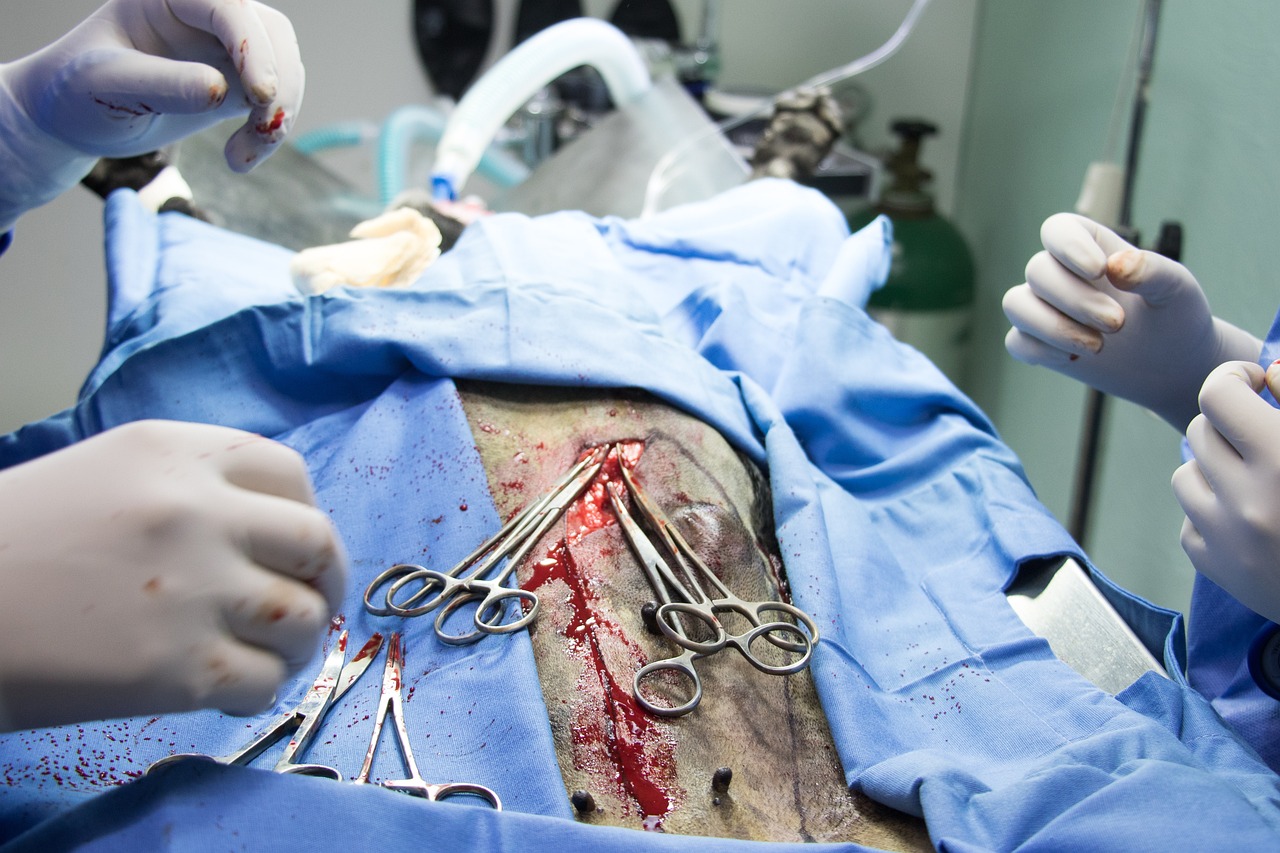
Understanding treatment options available for your dog is vital in navigating the journey through cancer. Familiarizing yourself with various methods, such as chemotherapy, radiation therapy, or surgical intervention, can empower you in making informed choices. Each treatment comes with its own benefits and drawbacks, and knowing what to expect can mitigate anxiety stemming from the unknown. Consulting with a veterinary oncologist can provide specialized knowledge regarding which treatment methods are most effective based on your dog’s individual needs. Don’t forget to discuss your dog’s overall health and quality of life as consideration factors in deciding on treatment paths. It may also be beneficial to explore holistic approaches that can complement traditional methods, thereby enhancing your dog’s well-being. Incorporating proper nutrition and alternative therapies could make a significant difference during treatment. Your dog relies on you to seek the best available care, so being well-educated and involved can foster a greater sense of partnership in this journey. Together, you’ll face challenges while focusing on nurturing hope and resilience throughout your experience.
Finding Moments of Joy
While facing the trials of cancer treatment can often overshadow daily life, it’s important to intentionally carve out moments of joy with your dog. Simple activities such as short walks, playing their favorite game, or even quiet moments cuddling on the couch can strengthen the bond between you. Engaging in these joyful interactions can offer both of you relief from the stress associated with the diagnosis. Consider modifying activities to accommodate your dog’s energy levels and current health. Celebrating every little victory, whether it’s finishing a treatment cycle or enjoying a treat, can significantly uplift your spirit. It’s also beneficial to create memory-making opportunities, such as taking photos together or writing down memorable stories to cherish later. Finding ways to laugh and enjoy life can help balance the adversity encountered during treatments. Encourage your family to participate in finding moments of joy as a collective effort, providing emotional support and love to your dog. During this challenging time, filling your day with kindness, laughter, and affection can prove invaluable in fostering a positive atmosphere amidst difficulties.
One essential aspect of preparing emotionally during your dog’s cancer journey is recognizing the concept of ‘quality of life.’ Evaluating your dog’s comfort and enjoyment of life is critical for making appropriate treatment decisions. Assess whether your dog’s needs for basic activities like eating, exercising, and exhibiting normal behaviors are being met, especially during treatments. It may involve reflecting on what constitutes a good quality of life for your furry friend. Engaging tools such as the Quality of Life Scale can provide meaningful insights, allowing you to consider specific parameters—such as pain, appetite, and overall happiness. It’s natural to experience fluctuations in how your dog feels throughout treatment; thus being observant is paramount. If your pet’s quality of life diminishes significantly, have open conversations with your veterinarian regarding care options that prioritize comfort. Understanding these aspects can lead to deeper conversations about palliative and hospice care. Maintaining a focus on your dog’s happiness and comfort is crucial while helping you confront the emotional complexity seen in these situations, which typically arise during difficult discussions concerning your dog’s care.
Conclusion: Together in Love
Throughout this challenging journey with your dog, remember to lean on your support systems and prioritize emotional awareness. This journey is not only about the physical aspects of treatment but also about cherishing the time you have together and ensuring both you and your dog experience love and warmth. Mutual emotional support can strengthen bonds and create an environment where healing and love can flourish. Don’t forget to care for yourself as you care for your cherished pet. Self-compassion during this time can help you remain an effective caregiver. Emphasizing moments filled with joy, comfort, and meaningful interactions can enhance both your lives through tough times. It’s okay to grieve, feel, or have doubts; recognizing these emotions is part of the healing process. Exploring avenues for emotional support is essential, allowing you to cope and share feelings more openly. Celebrate every moment, create lasting memories, and remain optimistic. Mobilizing a network of support can affirm that agility in adjusting to your dog’s changing needs becomes easier as you continue on this path together, wrapped in love every step of the way.
In the days ahead, it is essential to advocate for your dog’s needs and maintain open channels of communication. Build a team around your pet, comprising veterinarians, family, and friends to provide comprehensive support. Reinforcing optimism with each step you take can help ease the emotional burden that comes with such challenges. Remain vigilant in your observation of your dog’s health and behavior, allowing dedication to shine through. You are not alone on this journey, as countless others have walked similar paths, and sharing your experiences can aid in understanding and healing for all involved. Through collaboration, support, and enduring love, you and your beloved canine companion can face whatever lies ahead. Make the most of every moment while maintaining a focus on what truly matters—your invaluable bond with your furry friend, and prioritize creating lasting memories that you can carry with you in your hearts forever.