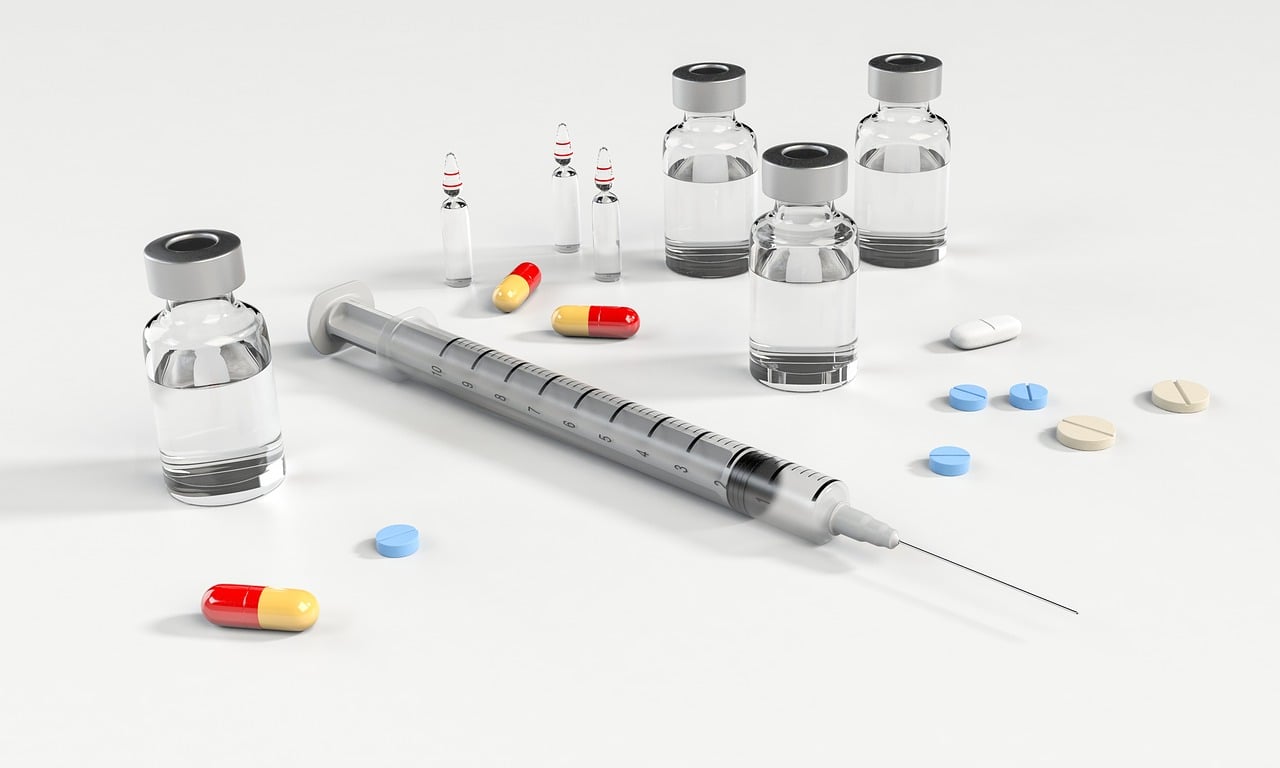

The Dangers of Human Medications for Cats
Human medications often contain substances that are harmful or even lethal to cats. Cats metabolize drugs very differently than humans, making it essential for pet owners to exercise caution. The ingestion of certain medications can lead to severe poisoning, resulting in various health complications or death. Some common medications, such as acetaminophen, ibuprofen, or even certain antidepressants, are particularly toxic. It’s important to keep all medications securely stored away from curious cats. Signs of toxicity may include vomiting, lethargy, difficulty breathing, or even seizures. If you suspect your cat has ingested any medication, contact a veterinarian immediately. Do not wait for symptoms to appear; prompt treatment is crucial. Understanding the effects of human medications is vital for any cat owner. Education on such toxins can help in preventing accidental ingestion. Always consult with a veterinarian before administering any medication to your cat. Remember, even minor dosages can be dangerous. Be cautious and responsive to the needs of your feline friend to keep them healthy and safe. Regularly review your home and remove any potential hazards from your cat’s reach.
In addition to direct toxicity, it is crucial to recognize that prolonged exposure to some medications through environmental factors can also affect your cat. Cats can inadvertently ingest harmful substances from surfaces where medications were spilled or improperly discarded. Routine cleaning of countertops, tables, and other surfaces is paramount. Also, keep in mind that cats are natural groomers, and they may lick their fur if it comes into contact with residues from medications. This behavior can lead to further complications, as cats might swallow potentially toxic residues. Be vigilant about what medications are accessible to your cats. Some common household drugs, like certain pain relievers or cold medications, are not safe for cats. Always store these items in cabinets that are secured and out of reach of your pets. Moreover, educate family members about the dangers of giving human meds to cats, as well-meaning intentions can lead to disaster. Awareness and education are essential tools for pet owners. It is also beneficial to keep a list of common human medications that are dangerous to cats for easy reference.
When it comes to recognizing the symptoms of medication ingestion in cats, familiarity with their usual behavior is essential for any cat owner. Behavioral changes such as hiding, loss of appetite, drooling, and general signs of distress should not be ignored. Quick identification can lead to timely intervention, which is crucial in potentially life-threatening situations. Familiarizing yourself with the common symptoms of toxicity can save your cat’s life. It is helpful to have emergency contact numbers for your veterinarian and a nearby animal hospital readily available. Additionally, being proactive by educating yourself about safe medication options for your cat can make a significant difference. Some medications are specifically formulated for feline use and are safe alternatives. Discussing these options with your veterinarian can help ensure you have the right treatments available during emergencies. Always remember, the correct medication dosage varies by species, and what is safe for dogs or humans can prove fatal for cats. Taking the time to understand the risks is a small price to pay for the well-being of your beloved pet.
Safe Alternatives for Cats
There are several medications and treatments available that are considered safe for cats, designed specifically for their physiological needs. It is essential for pet owners to consult with a vet before giving any new medication, even those believed to be safer. For minor health concerns like allergies or pain, there are veterinary-approved options that can be tailored to your cat’s specific situation. These alternatives are tested for feline safety and efficacy, thus providing peace of mind for cat owners. Never assume that a human medication is safe just because it is over-the-counter. For example, certain supplements, such as omega-3 fatty acids, can be beneficial for cats’ skin and coat health. Additionally, specific prescription medications for known feline diseases exist and have been created with cats’ unique metabolism in mind. When seeking treatment for your kitty, prioritize veterinary guidance at all times. They can provide the most effective and safe options tailored to your furry friend’s health needs. This careful approach is necessary to ensure your cat receives optimal care.
When preparing for a potential emergency involving your cat and human medications, it is essential to stay informed about possible antidotes or treatments available. For example, activated charcoal can be utilized in some poisoning cases to help absorb toxins in the stomach. However, its use should always be under veterinary guidance, as not every situation is appropriate for this treatment. Having a first aid kit specifically for your cat may save crucial time during emergencies and could include items like sterile gauze, antiseptic wipes, and a dosage guide. Moreover, knowing the contact information of a poison control helpline can be invaluable. Always have a detailed list of any medications your cat may take or may have ingested readily available, as this will help veterinarians assess the situation more thoroughly. This checklist can aid in delivering accurate information quickly, which is critical for achieving prompt and effective treatment. You should regularly update your emergency contact information and procedures to ensure preparedness for any situation that may arise.
By engaging in further education about feline health and medication safety, cat owners can play a proactive role in their furry friends’ well-being. Local veterinary courses and pet seminars often include critical information on toxicity and safe pet care. Participating actively in these events can empower cat owners to make the best decisions regarding their pets’ health. Online resources, forums, and reputable pet care websites can also provide important insights. However, it is crucial to cross-reference any information learned online with professional veterinary advice. Not all sources may provide safe or reliable recommendations. One effective way can involve connecting with other cat owners to share knowledge and experiences about managing feline health and safety. Emotional support from fellow cat owners can be part of your journey in protecting your pet. Creating a community of knowledgeable pet owners allows everyone to contribute their understanding of feline health. In summary, continuous education can make a substantial difference in managing the potential dangers associated with human medications for your cats.
Conclusion: Prioritizing Cat Safety
In conclusion, the safety of our feline companions is a significant responsibility accompanied by our love and care. The dangers posed by human medications cannot be overstated, highlighting the importance of vigilant management of any potential risks. It is our duty to ensure that we keep our homes safe for our pets by securing medications and providing veterinary-approved alternatives for any health issues that arise. All medications, including natural supplements, must be monitored closely to prevent accidental overdose and toxicity. Education is the best tool a cat owner has; learn the symptoms of medication poisoning and adhere to local poison control numbers) for toxicological emergencies. Working closely with your veterinarian to develop an understanding of safe practices will ensure the health of your pet. Additionally, engaging community resources can further enhance your knowledge of feline safety. Remember, our cats rely on us to provide them with a safe and healthy environment. By prioritizing cat safety, we not only save lives but ensure the longevity and quality of life for our beloved companions.
Understanding the importance of drug safety for cats is essential for any responsible pet owner. Keeping our feline friends safe from harm involves diligent practices. Awareness of medication dangers must constantly accompany ownership. This proactive approach leads to healthier pets and allows for better communication with your veterinarian. Creating a supportive environment through education and community can further enhance our ability to protect our pets. Always be open to learning new information related to feline health and medication safety. Reassessing household practices can better ensure a safe environment for your cats, and sharing any unexpected knowledge can foster community support. Cats, being inherently curious creatures, will explore their environment; thus, it is our job to minimize risks associated with toxicity. Staying informed about best practices means more than just maintaining medication; it means securing a better future for our pets. Prioritize their safety and continuously seek ways to improve their living conditions. Each cat’s well-being is directly linked to their owner’s knowledge and action. By being vigilant and proactive, we can create a safer, healthier world for our beloved cats.