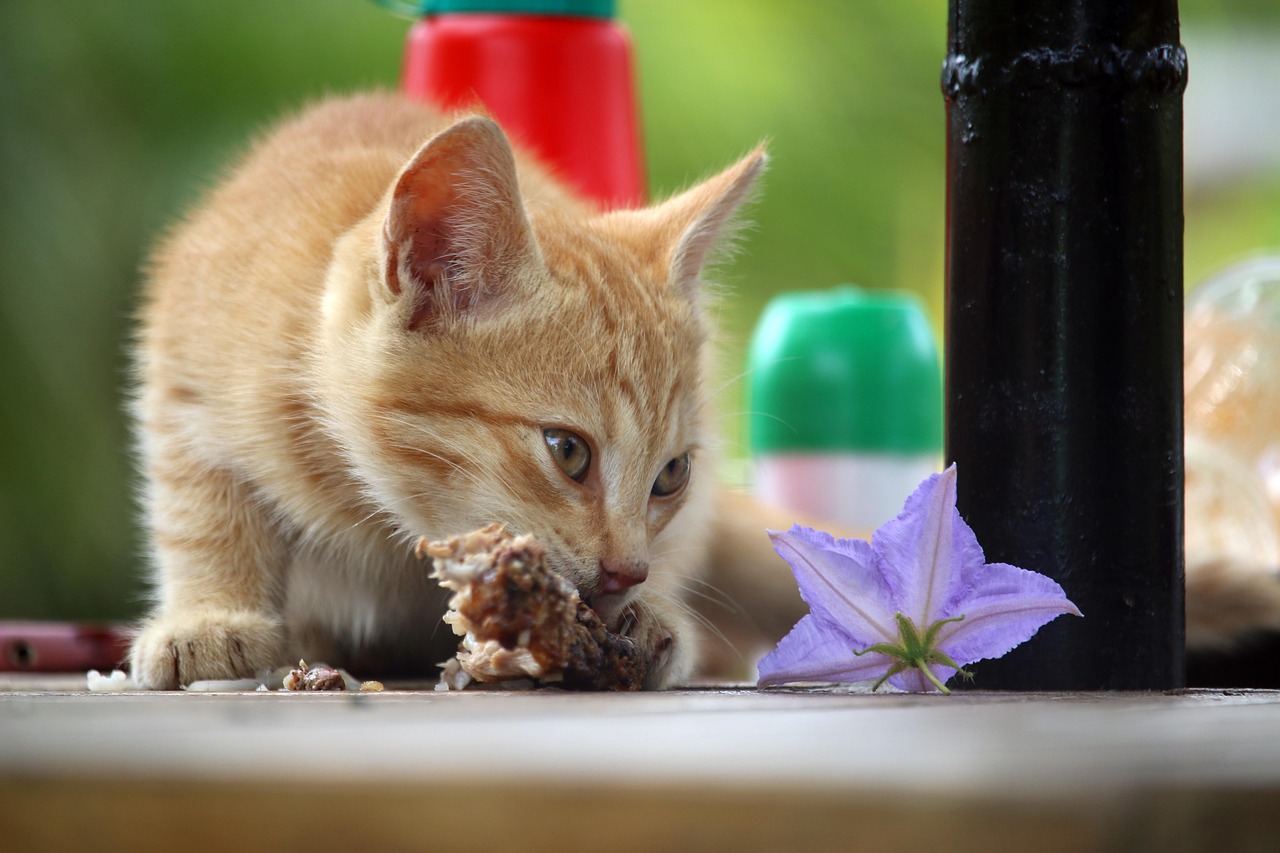

Using Treats to Motivate Cats to Use Feeding Toys
Training your cat to use feeding toys can be a rewarding experience. Utilizing treats is a proven method to effectively encourage your cat’s interaction. Start by selecting appropriate feeding toys that pique your cat’s curiosity. These toys vary in complexity and design, enhancing engagement. For best results, choose toys that dispense treats slowly. This approach allows your cat to work for the reward, promoting mental stimulation and preventing boredom. Begin the training session in a distraction-free environment, which aids focus. Gradually introduce treats into the toy to help your cat associate it with positive experiences. Observe your cat’s behavior closely, as every cat is unique. Patience is key during these sessions, as they may take time to adapt. Reinforce their efforts with loud praise and firm treats, creating a sense of accomplishment. Consider using different flavors to see which they prefer. Rotate toys occasionally to maintain interest, ensuring they remain effective in the long term. Your bond with your cat strengthens as they learn and succeed with their feeding toy, enriching their overall well-being and happiness. This training process can be enjoyable for both you and your pet.
One effective strategy to enhance your cat’s use of feeding toys is through gradual exposure. To begin, introduce the feeding toy without treats first. This allows your cat to explore the gadget freely without pressure. Encourage them to investigate the toy and foster curiosity by playing with it near them. As they become more familiar, you can start adding treats to the toy. Use their favorite snacks as motivation when initiating this process. Observe their behavior carefully and ensure they are not frustrated or overwhelmed. Have a calm and positive atmosphere to encourage their engagement. If they appear disinterested, try a different treat to determine what excites them. Remember to praise your cat vocally, reinforcing their interest during these training sessions. Additionally, consider varying the locations where you present the toys, stimulating their desire for exploration. This method transforms the feeding toy into an interactive game. Gradually increase the challenge by adjusting the difficulty level of the toy as needed. The emphasis should be on enjoyment while learning. Overall, creative training and abundant patience will help your cat become adept at using feeding toys successfully.
Creating a Reward System
Establishing a reward system within the training framework is vital. Consistency in rewards plays an important role in reinforcing positive actions. Treats should be high-quality and appealing to your cat, promoting enthusiasm for feeding toys. You might consider using small amounts of treats to avoid overfeeding. Another option is to incorporate playtime as a reward, which cats naturally love. When your cat interacts positively with the toy, reward them instantly. This timing is crucial; immediate rewards create a strong reinforcement link for your cat. Track their progress to gauge the most effective treats or methods, adjusting the training as needed. If your cat shows consistent interest in one toy, continue working with it before moving on to others. Patience is essential when modifying the reward system. Some cats respond well to clicker training alongside treat rewards. The clicker helps them associate the sound with positive behavior, enhancing their focus. Always keep the sessions short and fun, allowing for breaks or playtime in between. This approach cultivates a relaxed environment and maintains their enthusiasm for the feeding toy experience.
Incorporating variety into the training process is vital for maintaining your cat’s interest. Cats can easily become bored with repetitive tasks or toys. Introduce new feeding toys periodically to stimulate their curiosity and excitement. Each toy presents a unique challenge, enticing them to engage consistently. Be creative in offering various shapes and sizes to evaluate your cat’s preferences. Some may prefer puzzle toys, while others might like those that simply dispense treats. Observe your cat as they interact; their preferences will inform your training approach. Alongside variety, consider diversifying the treat types you use. Cats can display distinct preferences for chicken, fish, or gourmet treats. Use this knowledge strategically; it allows for connecting different toys with specific treats to capture their attention uniquely. A well-rounded approach maintains their excitement about mealtime. Always ensure that each feeding toy and treat is safe for their health. Pay attention to ingredients, withholding any items harmful or not well-tolerated by your cat. A joyful interaction with toys encourages regular use, fulfilling both their mental and physical needs. Engaging training sessions build a healthier lifestyle and prevent obesity.
Utilizing Positive Reinforcement
The principle of positive reinforcement is effective in cat training. Encourage interaction and movement with positive phrases and ample rewards. Each time your cat engages with the feeding toy, provide immediate feedback through praise and treats. This technique boosts their confidence and willingness to explore and conquer challenges presented by the toys. A relaxed but enthusiastic tone is essential; this keeps the atmosphere enjoyable for both you and your cat. Creating a strong association between the feeding toys and positive reinforcement fosters long-term habits. Document the responses and preferences you notice, adjusting your approach accordingly. For instance, if your cat seems particularly excited about a specific toy, prioritize sessions revolving around that toy. Maintain the training as a fun, game-like experience; it is not solely about the results. Incorporate play, keeping both excitement and enthusiasm alive during practices. Continuous engagement through varied approaches prevents stagnation and keeps the experiences fresh. In turn, regular interaction strengthens the bond between you and your cat, enhancing their trust in your guidance, while also contributing meaningfully to their daily satisfaction.
Throughout the training journey, always be mindful of your cat’s mood and behavior. Each cat has its personality and can respond differently under varying circumstances. Monitor your cat’s readiness to engage as you introduce toys and treats. If they appear disinterested or overly anxious, take a step back. Instead of pushing forward, allow your cat a break from the toy and return to it when they seem more relaxed. This thoughtful approach prevents future baggage tied to the toys. On the other hand, when your cat shows enthusiasm, capitalize on it to build momentum. Pay attention to their body language; positive signals include purring, playful swats, and exploration. If you notice signs of frustration, modify the challenge or treat involved. Successful training is a gradual process that fosters enjoyment for both parties. Allow this to be a journey where both you and your cat learn together, reinforcing the bond. As their competence grows, so will their confidence using feeding toys independently. Together, you can create a healthy, stimulating environment that promotes well-being and positive behavior.
Maintaining Engagement Over Time
Maintaining your cat’s interest in feeding toys requires continuous engagement strategies. Rotate the feeding toys frequently to avoid routine and refresh their curiosity. As mentioned earlier, different treats can make the experience exciting, allowing you to discover your cat’s favorites. This will keep their motivations high, as they delight in the surprises presented. Consider scheduling brief sessions dedicated solely to engagement with these toys throughout the day. Plan these moments during your cat’s most active times for prolific engagement. Close observation will help you understand the optimal timing for effective training. Consistency remains important; stick to a routine with selected toys and feeding methods. Gradually increase the challenges as your cat grows more adept, weaving in new techniques or toys occasionally. Consider rewards beyond treats, such as affection or playtime with interactive toys after successful training. Positive experiences lead to enjoyable environments where routines can develop without becoming stale. Lastly, connecting these feeding toys with meal times can solidify their importance in your cat’s daily life. A thoughtful approach assists in crafting a fulfilling life for your feline companion while keeping meals stimulating and dynamic.
Conclusion
In summary, using treats to motivate your cat to enjoy feeding toys leads to numerous benefits. With the right techniques, patience, and creativity, this training can be a fun, collaborative endeavor. Emphasizing rewards enables a more positive environment, encouraging exploration. Remember that building confidence with these toys contributes significantly to your cat’s physical and mental satisfaction. Each cat is a unique individual that may require distinct approaches, but the foundational principles of positive reinforcement apply to all species. Through monitoring behavior, preferences, and emotions during training, maintain the joy rooted within the process. Revisiting feeding toys regularly and varying their design or objects ensures that they remain engaging. With time, the relationship you cultivate with your cat deepens. Together, you create a fulfilling training plan that enhances their daily experiences and well-being immensely. The rewarding part is knowing that you play a meaningful role in your cat’s life, contributing positively to their happiness and health. Investing time and attention into this process not only develops their skills but creates lasting memories that solidify your bond.