
Balancing Vaccination Frequency Between Outdoor and Indoor Cats
When it comes to vaccinating cats, the frequency and types of vaccinations differ significantly between outdoor and indoor cats. Outdoor cats are exposed to various environmental pathogens, making regular vaccinations more important for them. They face several health risks, notably exposure to diseases like feline leukemia and feline immunodeficiency virus. Indoor cats, on the other hand, have a more controlled environment, lowering their risk exposure. However, they are not entirely exempt from diseases, so vaccinations continue to play a vital role. The need for a distinction in vaccination schedules arises from these differences in lifestyle and risk levels. Vaccinations can be tailored based on the cat’s lifestyle and environment. In this guiding piece, we will explore the optimal vaccination frequencies for both indoor and outdoor cats. Ensuring your cat is vaccinated appropriately can protect them from preventable diseases that often endanger their health and wellbeing. Always consult with a veterinarian about the recommendations best suited for your cat, regardless of their lifestyle. Vaccination schedules can vary based on the region and specific health risks present in your area. Regular veterinary check-ups are essential for any cat.
Understanding Vaccination Needs
Vaccination needs can vary greatly for cats depending on their living situations. Outdoor cats are typically exposed to a more diverse range of pathogens due to their environments. Diseases such as rabies, feline panleukopenia, and feline herpesvirus are common threats they encounter. Thus, these cats may require more frequent vaccinations to ensure effective protection. Indoor cats, while largely safer, still require vaccinations, particularly against highly contagious diseases that could be introduced through visitors or other pets. Routine vaccinations, like the core vaccines, should still be given even if a cat is indoor-only. It’s important to assess the specific risks for each cat type. Factors influencing vaccination decisions also include breed, existing health conditions, and age. Kittens have different vaccination schedules compared to adult cats. Understanding these needs requires consultation with a veterinarian, who can offer tailored recommendations based on your cat’s lifestyle and potential exposure to diseases. Maintaining a consistent vaccination routine is crucial in ensuring both types of cats stay healthy. Failure to vaccinate regularly could lead to serious health issues, which could be avoided with proper care.
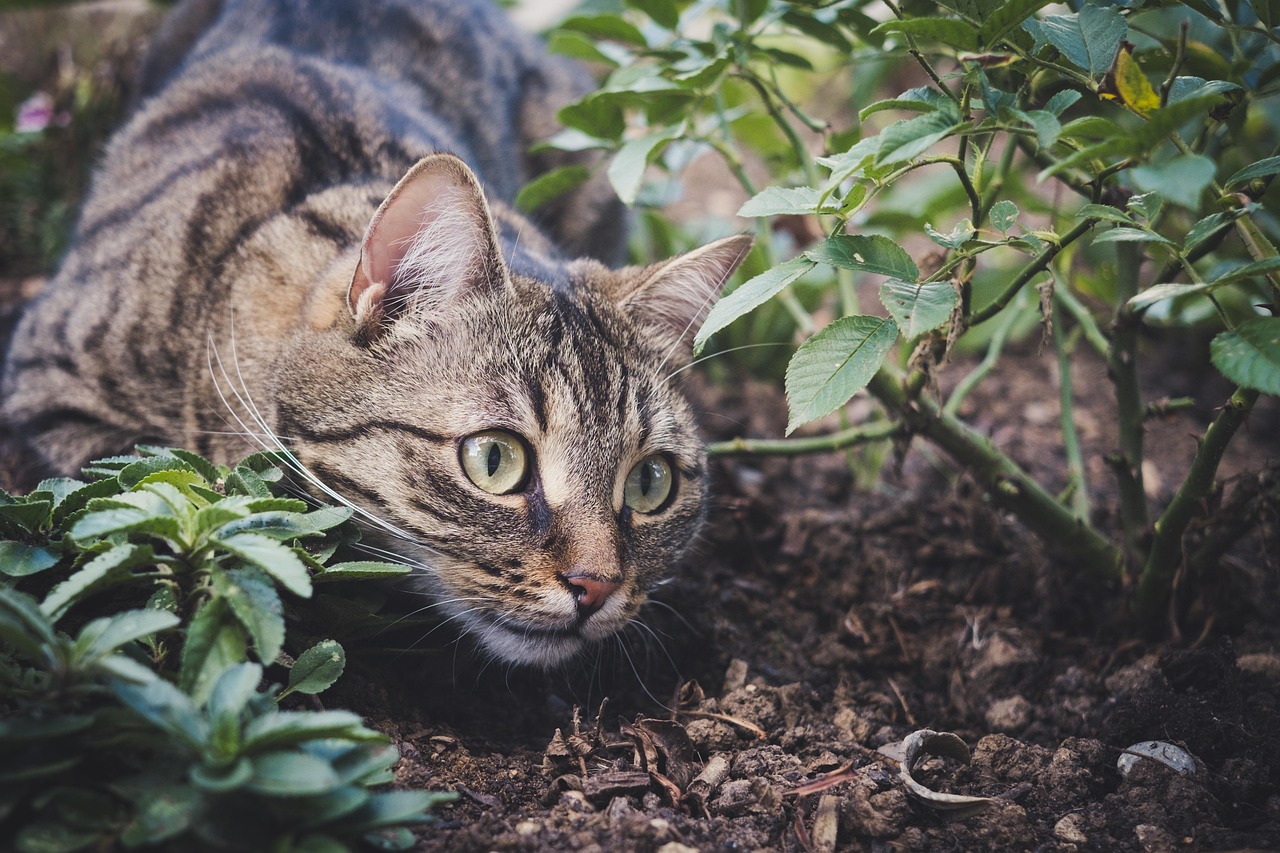
Outdoor cats are generally more vulnerable to various infectious diseases. The likelihood of contracting sickness is higher since they may come in contact with wild animals that harbor bacteria and viruses. Regular vaccinations for outdoor cats can help minimize these risks. Core vaccines that are necessary typically include rabies, feline calicivirus, and feline leukemia. These vaccinations not only keep your pet safe but help prevent the spread of infectious diseases within the feline population. For adult outdoor cats, booster shots are vital to ensure ongoing protection against diseases. It is important to establish an effective vaccination timeline with the help of a veterinarian. The veterinarian can recommend a schedule based on your pet’s specific exposure level. Usually, these cats will require vaccinations at least once a year to maintain protective immunity against various diseases. Owners should also be informed about potential symptoms of sickness in their cats, which might signal the need for immediate veterinary attention. A balanced approach to vaccinations can keep your outdoor kitty safe and healthy, letting them enjoy their adventurous lives without compromising their health. Always consider the latest guidelines provided by veterinary associations.
Indoor cats, although at a comparatively reduced risk of exposure, still have specific vaccination needs. Core vaccines, such as those for rabies and feline herpesvirus, are equally important regardless of a cat’s indoor status. There is a critical need for annual or biannual check-ups to monitor their health and update any vaccinations as required by law or risk factors. Consultations with a veterinarian can help to determine the right vaccination frequency for each indoor cat case, often depending on factors like age and health conditions. For instance, senior cats or those with pre-existing health issues might need a different vaccination approach. Some indoor cats may also be exposed to viruses if unvaccinated outdoor cats visit their space. Thus, vaccination becomes a crucial defense mechanism for these cats. Owners should monitor their indoor cats for any health changes and ensure they receive appropriate vaccinations. By doing so, you help prevent illness and ensure your feline companion enjoys a long, healthy life. Remember that prevention is always better than cure, especially when it comes to the health of your furry friends.
Core Vaccines for Cats
The core vaccines recommended for both indoor and outdoor cats are vital for their long-term health. These typically include feline viral rhinotracheitis, calicivirus, panleukopenia, and rabies. Each of these vaccines plays an integral role in preventing severe health consequences. For example, calicivirus can lead to serious respiratory infections, while rabies remains a fatal disease once symptoms manifest. Vaccinating every cat, regardless of their living arrangements, helps prevent outbreaks that can affect the entire feline community around them. Additionally, outdoor cats are often recommended to receive feline leukemia vaccination, considering their increased exposure to other animals. Regular boosters ensure sustained immunity against these diseases. Kittens usually start their vaccinations around six to eight weeks of age, with follow-ups every three to four weeks until they reach about sixteen weeks. Adult cat vaccinations will vary based on prior vaccination records. Proper documentation of these vaccinations is crucial also for future veterinary treatments. Each local area may have specific requirements regarding rabies vaccinations, which further underlines the importance of staying compliant with local veterinarians’ guidelines.
Pet owners must also be aware of the side effects that may occur post-vaccination in cats. While most cats endure vaccinations well, some may exhibit mild reactions such as tenderness or minor swelling at the injection site. In rare cases, serious allergic reactions can occur, requiring immediate medical intervention. An established veterinarian should be able to provide insights into potential side effects for each specific vaccine. Overall, the benefits of vaccinating your cat vastly outweigh the risks associated with adverse reactions. Ensuring that your cats are up to date on their vaccines is essential in protecting them. After vaccinations, monitor them closely for any unusual behavior or symptoms for at least a few days to be safe. Create a safe environment where they can rest and recover post-vaccination. Inform your vet about any troubling reactions immediately. Consistent care and attention to your pet’s vaccination history can help ensure their longevity and health. As a responsible pet owner, staying informed about vaccination schedules and guidelines allows you to provide the best for your furry companion. Always prioritize their well-being in your pet care routine.
Final Thoughts on Vaccination Practices
In conclusion, balancing vaccination frequency between outdoor and indoor cats involves understanding their distinct needs and exposures. Indoor cats may require fewer vaccinations, but they still benefit significantly from core vaccinations tailored to ensure their health. Owners should consult with veterinarians who can assist in developing a custom vaccination schedule tailored to each cat’s lifestyle. For outdoor cats, a more proactive vaccination approach is necessary, as their exposure to various pathogens increases their risk of disease significantly. Recognizing the importance of vaccines in preventing illness is crucial for all cat owners, regardless of their cat’s living conditions. Stay proactive by keeping up with recommendations, and ensure your cats receive vaccinations on time. Moreover, always document your cat’s vaccination records to facilitate better decision-making for their health and upcoming visits. Maintaining regular veterinary check-ups ensures that any alterations in health status can be managed timely. Ultimately, investing in your cat’s vaccinations is a significant step toward ensuring a healthier life. Your commitment to their health can prevent serious illnesses and ensure they remain happy companions for years ahead!
Engaging with your local vet can substantially elevate your understanding of vaccination’s significance regarding disease prevention and treatment. Familiarize yourself with the vaccination laws in your area, and always be receptive to modifying your cat’s vaccination schedule based on veterinary advice. The collective goal is individualized care pertaining to each cat’s unique lifestyle and needs. A well-informed cat owner is equipped to make appropriate health decisions, ensuring that every cat lives a long, vibrant life. Prioritize vaccinations as essentials rather than optional treatments, paving the path for a healthier future for our feline friends. Ensuring that your outdoor cats get the necessary frequency of vaccinations while keeping your indoor companions updated reflects responsible pet ownership. Pay attention to changing circumstances, such as relocations that may expose your cats to different pathogens. By taking the lead in understanding vaccinations, you contribute positively to the health of the greater feline community as well. Lasting health for your cats means staying informed, engaged, and persistent in vaccination routines designed for their specific lifestyles. The relationship between environment and vaccination frequency in cats cannot be understated.