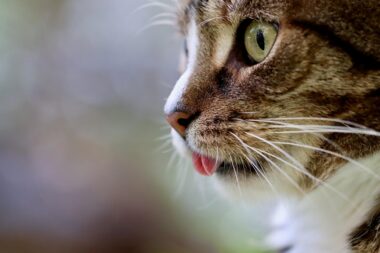

Creating a Cognitive Stimulation Routine for Your Senior Cat
As cats age, it’s important to recognize the potential for cognitive decline. Cognitive Dysfunction Syndrome (CDS) can affect many senior cats, leading to confusion, anxiety, and memory loss. To help manage these changes, a routine that stimulates their minds is essential to enhance their quality of life. Engaging in regular cognitive activities keeps their brains active and can slow the progression of symptoms associated with cognitive dysfunction. Strategies to create effective stimulation routines can include a variety of interactive games, food puzzles, and even simple training exercises that reinforce their learning. Keeping a consistent schedule can help your pet feel more secure and comfortable while providing opportunities for mental exercises. Tailored activities based on your cat’s preferences and abilities are crucial. Always observe your cat’s responses, and adjust the activities accordingly. This adaptability not only respects their limits but also encourages continued participation in stimulating tasks. Remember, the goal is to promote an engaging and enriched environment, ensuring your senior cat enjoys a fulfilling life while dealing with cognitive challenges.
Incorporating playtime into a routine can be highly beneficial for senior cats struggling with cognitive dysfunction. It combines physical exercise with mental engagement, providing an outlet for pent-up energy and promoting mental clarity. Simple toys like feather wands, laser pointers, or even boxes can intrigue an older cat. Encourage your cat to chase, pounce, or explore using these interactive tools. Additionally, rotating toys regularly can maintain interest and stimulate curiosity. Setting aside specific times for play can also help create expectations, providing structure that can alleviate anxiety. Even gentle play can be effective, ensuring that the activities cater to their physical capabilities. Another aspect to consider is social stimulation. Spending quality time with your cat while engaging in activities fosters bonds and reassures them of your presence. Discussing this routine with other family members can ensure everyone is on the same page. Your involvement makes a significant difference in your cat’s life, encouraging participation in playful activities and providing the mental challenges that can help combat cognitive dysfunction.
Introduction of training exercises at an advanced age may seem daunting but can be rewarding for both you and your cat. Short, gentle training sessions can teach new commands or reinforce previously learned behaviors. Use positive reinforcement such as treats or affection to motivate your cat during these sessions. Simple commands like ‘sit’ or ‘high five’ can be practiced in short bursts, ensuring that training remains a fun and enjoyable experience. The main goal is to stimulate your cat’s cognitive abilities without causing frustration or fatigue. Additionally, introducing simple problem-solving tasks can further stimulate your cat’s mind. You can create a scavenger hunt with treats hidden around the house, which encourages their natural hunting instincts. This method not only engages their minds but also promotes physical activity. Adapting the level of difficulty as your cat progresses is vital. Always observe how they handle the tasks and adjust accordingly to maintain interest and avoid discouragement. By reinforcing learning, you’re offering mental sustenance essential for a senior cat facing cognitive decline.
The Importance of a Balanced Diet
Nutrition plays a pivotal role in maintaining cognitive health in senior cats affected by cognitive dysfunction. Providing a high-quality, balanced diet tailored for senior cats can enhance cognitive function and overall well-being. Omega-3 fatty acids, antioxidants, and specific vitamins are essential components that help maintain brain health. Consult your veterinarian regarding the most suitable dietary options for your pet. Nutritional supplements may also feature added benefits, so having a conversation about this can be beneficial. Be mindful of portion sizes and try to prevent overfeeding, as obesity can impact health. Additionally, hydration must not be overlooked. Ensure your cat has access to fresh, clean water daily to support overall health. Transitioning to a new diet should be done gradually to avoid gastrointestinal upset. Mixing old and new food can facilitate a smoother change. Adhering to your cat’s dietary regimen while integrating enrichment strategies makes it easier to monitor any changes in mood or behavior resulting from cognitive difficulties. Overall, prioritizing nutrition forms the foundation of a healthy cognitive life for your senior cat.
Environmental enrichment is a fundamental component of a cognitive stimulation routine for senior cats. Creating a stimulating environment at home can involve offering various textures, toys, and even perches that allow for exploration and activity. Scratching posts, climbing towers, and cozy hiding spots give seniors a chance to engage in natural behaviors, promoting both physical and mental stimulation. Designate areas in your home as active zones, filled with interactive items while keeping others quiet for rest. Regularly changing the layout of these spaces can reinvigorate the environment, encouraging exploration and curiosity. Additionally, scented toys or items can spark interest since cats have powerful olfactory senses. Interactive toys that require problem-solving skills can further enhance cognitive engagement, reducing boredom and making mealtime more interesting. This ongoing exploration can help stave off anxiety and frustration often linked to cognitive decline. Regular observations of your cat’s preferences and behaviors guide further adjustments to their environment, ensuring it is suitable to their challenges while also stimulating engagement. Be attentive to their reactions to help foster their sense of safety and comfort.
Social Interaction and Routine
Incorporating avenues for social interaction is crucial in a cognitive stimulation routine for senior cats. Engaging with your cat through conversation or gentle petting provides companionship, another key factor in maintaining mental health as they age. Cats thrive on routine, so establishing consistent times for play, feeding, and interaction is advisable. Routines help create a sense of security, which can mitigate stress and anxiety caused by cognitive dysfunction. Your responses to their needs and moods reassure them, promoting positive interactions. While some cats enjoy high levels of interaction, others may prefer quieter moments, so it’s important to gauge their reactions and adjust accordingly. Respecting the individuality of their personality is central to developing an enjoyable routine. It’s also possible to integrate family members into this routine to provide varying interactions and prevent monotony. Occasionally welcoming new visitors or even other pets can create positive stimulation, as long as it’s introduced gradually to avoid overwhelm. Always remain mindful of your cat’s behavior, as this will guide effective interactions and maintain their comfort level while combating cognitive decline.
Monitoring your senior cat’s progress within their cognitive stimulation routine is vital for adjustments and improvements. Keeping a log of observations helps track changes in behavior, interest levels, and engagement with activities. Recording details about their responsiveness to various tasks can enable you to identify effective strategies and those that may require rethinking. Test various activities to see which ones resonate most positively with your cat, as ongoing adaptation keeps their minds engaged. Maintaining a flexible approach to the routine ensures you can quickly respond to any shifts in their well-being. Regular veterinary check-ups remain crucial as well, ensuring any underlying or developing concerns are addressed. Discuss any marked changes in behavior with your veterinarian, providing them with detailed logs for thorough evaluation. This partnership ensures your senior cat receives the best care possible, while your attentiveness to cognitive engagement becomes a structured part of their daily living. The key to enhancing cognitive health lies in continued exploration of their interests while remaining adaptable, which creates the best environment for your senior cat during their twilight years.
In conclusion, creating a comprehensive cognitive stimulation routine encompassing mental, physical, and emotional care can significantly improve the lives of senior cats experiencing cognitive dysfunction. Recognizing the signs of cognitive decline is the first step toward building an engaging environment. Daily interaction paired with structured playtime, gentle training, and enriched living spaces creates a multifaceted approach ensuring that your senior cat enjoys their later years with joy and fulfillment. Attending to their nutritional needs reinforces the importance of a well-rounded diet, acting as a foundation for heightened cognitive function. Importantly, fostering connections with your pet through social interaction and ensuring their safety helps reduce anxiety associated with cognitive decline. Continuous evaluation of their progress allows for timely adjustments in your routine to meet their changing needs while promoting a high quality of life. Engaging with your senior cat with love and care will be a rewarding endeavor for both you and your companion. It’s essential to embrace the opportunities provided by this stage in their life, supporting them through enriching experiences that enable the best outcomes despite the challenges presented by aging.