
Identifying Early Signs of Parasite Resistance in Dogs and Cats
Parasite resistance in canines and felines poses significant challenges for pet owners and veterinarians. Understanding these early signs is crucial to ensure the health and effectiveness of parasite control measures. Resistance can develop due to overuse or misuse of parasiticides, leading to ineffective treatments and increased parasite populations. One of the first signs of resistance is a decrease in the expected efficacy of treatments. For instance, if a previously effective dewormer fails to eliminate parasites, there may be underlying resistance. Additionally, if pets frequently exhibit parasite-related symptoms despite regular treatments, this is indicative of a potential resistance issue that demands immediate attention. Pet owners should routinely monitor their pets for unusual behavior, such as excessive scratching, vomiting, or weight loss. These symptoms can signify not only untreated parasite infestations but also resistance to current medications. Consultation with a veterinarian is essential to ascertain the best course of action. Adjusting treatment protocols and exploring alternative medications can be effective strategies. Understanding these signs equips pet owners to take proactive measures and safeguard their pets’ health against resistant parasites.
Preventative measures play a pivotal role in controlling potential parasite resistance in dogs and cats. Regular veterinary check-ups are essential to ensure effective parasite management. During these visits, pet owners should discuss their pet’s current parasite control regimen with their veterinarian. This dialogue allows for an evaluation of the efficacy of treatments and adjustments that may become necessary. Utilizing a variety of parasite preventatives can help disrupt the lifecycle of parasites, making it harder for them to develop resistance. For example, rotating product types, such as topical treatments or oral medications, can hinder the chances of resistance. Furthermore, it is important to adhere strictly to dosing schedules to maintain therapeutic levels of the medicine in the animal’s system. Pet owners should remain vigilant about their pet’s environment. Keeping living areas clean and minimizing exposure to other infected animals reduces the likelihood of re-infection and the development of resistant strains. Educational resources can also assist pet owners in maintaining effective parasite control. The more informed pet owners are about parasite management, the better equipped they will be to prevent the emergence of resistance.
Recognizing Symptoms of Parasite Resistance
Recognizing the symptoms of potential parasite resistance is a critical aspect of responsible pet ownership. Common signs include persistent itching or scratching, loss of appetite, and abnormal bowel movements. These symptoms can arise from various parasitic infections, but if treatments fail to provide relief, resistance may be to blame. Owners should take note of any changes in their pet’s behavior, such as lethargy or irritability, which can indicate an underlying health issue. Any significant weight loss or failure to gain weight in puppies is alarming and warrants immediate veterinary consultation. A lack of improvement after multiple rounds of deworming is another red flag. Symptoms such as bloating or a pronounced belly can also signal a parasitic issue. In some instances, pet owners may observe adult parasites in feces or vomit. Thorough observation and documentation of these symptoms can provide valuable information for the veterinarian. Rapid response to these changes can lead to timely intervention, which is essential for effective parasite management. With appropriate actions and a collaborative approach to treatment, pet owners can better protect their animals from the threats posed by resistant parasites.
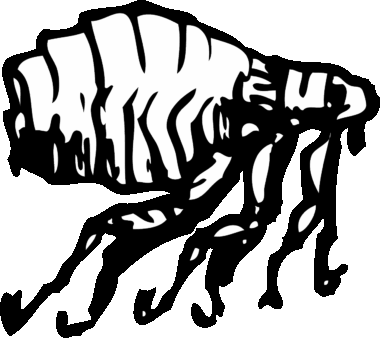
In addition to observing symptoms, understanding the life cycle of common parasites is crucial for effective preventative strategies. For example, heartworms, fleas, and ticks all have unique lifecycles that can influence resistance patterns in pets. Heartworms, transmitted by mosquito bites, can quickly lead to serious health complications without preventive medication. Fleas reproduce rapidly and can develop resistance to certain treatments if not managed appropriately. Ticks, on the other hand, are notorious for being vectors of various diseases that can affect both pets and humans. Pet owners should be aware that just one flea or tick can lead to an infestation, especially when treatments are ineffective. Educating oneself about these life cycles can play an essential role in identifying when to apply treatments and which products are most effective. Implementing comprehensive control measures, including regular environmental cleaning, can greatly reduce the likelihood of parasitic issues. By fostering awareness of parasites and their lifecycles, pet parents can better protect their furry companions and reduce the risk of developing resistance challenges.
Consultation with Veterinary Professionals
Consultation with veterinary professionals is integral in addressing concerns about parasite resistance. When pet owners notice symptoms or treatment failures, seeking professional guidance helps identify the specific issues at play. Veterinarians possess the expertise to diagnose parasitic infections accurately and recommend appropriate treatments. They may suggest diagnostic tests to determine whether resistance is a factor affecting treatment efficacy. These tests can include fecal examinations to identify specific parasites present in the pet. Upon confirmation, the vet may recommend altered treatment protocols, including switching medications or combining different therapeutic approaches. It is essential for pet owners to maintain open lines of communication with their veterinarians regarding their pets’ health histories and treatment responses. This collaboration fosters timely adjustments in management strategies and ensures pets receive the best care. Moreover, veterinarians often have access to the latest research and trends in parasite management, which can offer insights into potential emerging resistance patterns. In many cases, adherence to veterinary instructions, including consistent follow-up visits, is crucial in preventing resistance and promoting the long-term health of beloved pets.
Educating oneself about parasite prevention and resistance is vital in promoting the overall health of dogs and cats. Pet owners should actively seek information from trusted sources, including veterinary practices, online educational resources, and reputable pet care organizations. Veterinary clinics often provide pamphlets and online resources detailing parasite types, their treatments, and signs of resistance. Participating in workshops or seminars offered by local vets can enhance understanding and encourage proactive parasite management. Additionally, pet owners can connect with others in their community facing similar challenges through online forums and local pet groups. Sharing experiences and solutions helps create a supportive network focused on best practices. Awareness campaigns aimed at educating pet owners about responsible parasite management can have a significant impact on community health. By spreading knowledge, pet owners can address widespread misconceptions about parasite treatments, leading to better outcomes for all pets. The more informed and vigilant pet owners are, the better prepared they will be to tackle parasite threats effectively. Empowered choices can lead to healthy, parasite-free lives for beloved canines and felines.
Conclusion and Proactive Approaches
In conclusion, identifying early signs of parasite resistance is imperative for the well-being of dogs and cats. Awareness of symptoms, understanding life cycles, and maintaining proper communication with veterinary professionals are all essential components of effective parasite management. Pet owners must remain diligent in monitoring their pets and implementing preventative strategies to combat resistance. Regular veterinary check-ups enable timely interventions and effective treatment adjustments tailored to individual pets. Additionally, educating oneself about parasite resistance patterns, active participation in community discussions, and staying informed on the latest treatments enhance overall awareness of responsible pet ownership. Additionally, fostering discussions within pet communities not only raises awareness but can also lead to shared experiences and solutions. Empowering pet owners through information and resources will ultimately result in healthier pets and a proactive stance against parasites. By challenging the growing threat of resistance, we collectively promote the health of our furry companions. Ongoing dedication to these efforts will foster strong, resilient pets capable of thriving in their environments. Together, we can make a tangible difference in combating parasite resistance across our pet population.
In conclusion, identifying early signs of parasite resistance is imperative for the well-being of dogs and cats. Awareness of symptoms, understanding life cycles, and maintaining proper communication with veterinary professionals are all essential components of effective parasite management. Pet owners must remain diligent in monitoring their pets and implementing preventative strategies to combat resistance. Regular veterinary check-ups enable timely interventions and effective treatment adjustments tailored to individual pets. Additionally, educating oneself about parasite resistance patterns, active participation in community discussions, and staying informed on the latest treatments enhance overall awareness of responsible pet ownership. Additionally, fostering discussions within pet communities not only raises awareness but can also lead to shared experiences and solutions. Empowering pet owners through information and resources will ultimately result in healthier pets and a proactive stance against parasites. By challenging the growing threat of resistance, we collectively promote the health of our furry companions. Ongoing dedication to these efforts will foster strong, resilient pets capable of thriving in their environments. Together, we can make a tangible difference in combating parasite resistance across our pet population.