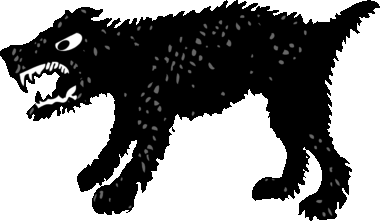

Submission vs. Dominance: Posture Differences in Dogs
Understanding dog behavior is essential for any pet owner. One significant indicator of a dog’s emotional state is its posture. Posture often reflects a dog’s mood, health, and social standing in various interactions. These indicators help distinguish between two primary behavioral categories: submission and dominance. Recognizing these postures can enhance your communication with your dog. For instance, a dog displaying submissive traits may lower its head, tuck its tail between its legs, and keep its body low. Conversely, a dominant dog may stand tall, keep its tail high, and engage in direct eye contact. Each posture serves a purpose, showcasing the dog’s feelings in the moment. Moreover, understanding these differences can lead to improved interactions between dogs and their human companions. Knowing when your dog feels submissive or dominant aids in making better decisions about training or socialization. Thus, dog owners need a firm grasp of these signals before engaging their pets in obedience or recreational activities. Such knowledge leads to healthier, more balanced relationships between dogs and their caregivers, resulting in happier pets and more fulfilling companionships.
Submission is a natural behavior displayed by dogs to communicate their non-threat status. Highly submissive dogs often demonstrate specific postures that reflect their demeanor. They may roll over onto their backs, exposing their bellies, as a signal of trust and vulnerability. This particular gesture conveys that the dog does not wish to challenge a perceived authority. Likewise, these dogs might shy away from direct eye contact and instead look sideways, denoting respect and deference. Additionally, the ears of a submissive dog might be pinned back against the head, further signifying apprehension or a desire to avoid confrontation. Understanding the subtleties of submissive posture can prevent misunderstandings with other dogs and humans alike. Recognizing these signals benefits both humans and animals, as it promotes a more peaceful environment within households. If owners respond positively to a submissive dog, this reinforces confidence and security. Positive reinforcement techniques, such as offering treats or praise, help build relationships based on trust. These practices can improve overall behavior and decrease anxiety in dogs, fostering healthier dynamics between pets and their owners over time.
Dominance: Understanding Canine Authority Signals
On the other side of the behavioral spectrum lies dominance, a posture that communicates a dog’s authoritative and confident stance. Dogs displaying dominant traits often stand upright with their heads held high, exhibiting a posture that commands attention. This position indicates assertiveness and a desire to maintain control of their environment. A direct stare, perceived as a challenge in canine communication, coupled with an upright posture, can provoke either respect or fear from other dogs. Noticeably, dominant dogs may also adopt a crowding stance, invading the personal space of others, signaling that they assert authority over that space. Understanding these signals is crucial, especially in multi-dog environments, where conflicts can arise. Owners should also note that rewarding dominance can reinforce unwanted behaviors, leading to potential issues during training. By acknowledging dominant signals, owners can learn to set boundaries while ensuring their dog knows its place within the household hierarchy. This approach helps manage any aggressive tendencies that might emerge, ultimately resulting in a more harmonious living environment. Making sure dogs understand their status promotes cooperation and reduces anxiety, encouraging their willingness to engage in training.
Building a solid understanding of both submission and dominance helps improve the overall behavior of dogs. Inconsistent responses to these postures might confuse dogs, leading to anxiety or stress. For instance, mistakenly rewarding a dominant posture can embolden undesirable traits. In turn, this may complicate the relationship between the dog and its owner. Training sessions provide excellent opportunities to reinforce appropriate behavior. Therefore, owners should employ clear communication methods when addressing both submissive and dominant behaviors. Training techniques, contingent upon the dog’s behavior, should adapt to their needs. Using commands, body signals, and positive reinforcement, owners can cultivate an understanding of acceptable and desired behaviors in their dogs. Alternatively, ignoring unwanted behaviors can undermine the lessons intended during training. Careful observation of both submission and dominance is critical, ensuring that interactions reflect the desired outcomes for both the pet and the owner. This dynamic can create a more balanced atmosphere as dogs learn to navigate their social worlds, building on their existing knowledge base while promoting growth. Ultimately, understanding and responding to these behaviors can lead to greater satisfaction and harmony for all parties involved.
Recognizing Subtle Signals in Dog Behavior
Subtle signals within dog behavior can often go unnoticed, yet they play vital roles in communication. For example, a dog may exhibit slight changes in posture that convey its needs or emotional state. A slightly lowered tail may suggest uncertainty or a cautious approach, which can be easily overlooked. Owners should remain observant, as understanding these finer signals enriches the bond between dog and human. The nuances of canine communication reveal insights into how a dog feels in various situations. Whether at home, on walks, or in social settings, dogs display intricate body language. Understanding this language may prevent potential conflicts while navigating interactions with other dogs and humans. Regular interactions provide opportunities for dogs to express their emotions through body language, making it crucial for owners to remain attentive. By recognizing subtle signals, owners can become more adept at responding appropriately. This acknowledgment fosters a greater emotional connection and encourages healthy social behaviors. Ultimately, both submissive and dominant postures contribute to a dog’s overall personality. Fostering an awareness of these subtleties ensures a more harmonious blend into family life, which is beneficial for all.
Socialization plays an essential role in helping dogs learn about submission and dominance. Proper interaction with various dogs and humans teaches them to adjust their behavior according to context. Early exposure to diverse environments allows dogs to understand their place in social hierarchies more effectively. This understanding helps mitigate aggressive tendencies by promoting positive encounters with other dogs. It is vital to engage dogs in controlled environments, enabling them to experience different postures safely. Through carefully supervised interactions, dogs can learn appropriate responses to both submissive and dominant behaviors. Encouraging exploration through play and structured activities helps reinforce social norms. Understanding these signals is also beneficial during training sessions, as they can clarify commands when distractions arise. Positive interactions during socialization contribute to a well-rounded, confident adult dog. Owners should prioritize the socialization process during puppyhood, allowing dogs to develop healthy habits that persist into adulthood. By fostering social competence, owners can positively influence their dog’s development, yielding a balanced character. Ultimately, investing time in socialization benefits both the dog and the owner.
Conclusion: The Importance of Understanding Posture
In conclusion, understanding dog posture differences between submission and dominance is fundamental for any dog owner. Observing these postures enhances communication between pets and their caregivers, fostering stronger relationships. Knowledge of canine behavior not only helps in training but also enriches the daily experiences shared between humans and dogs. Recognizing these signals enables owners to respond appropriately, thereby establishing trust and safety for their pets. Furthermore, understanding how dogs utilize their bodies to express emotions ensures better management of interactions. Whether confronting challenging situations or navigating social encounters, informed owners can mitigate potential outcomes by being attuned to their dog’s needs. Offering guidance and reinforcement based on observed behaviors supports positive interactions throughout a dog’s life. Every dog has a unique personality that embodies elements of both submission and dominance, making it critical to understand their individual needs contextually. Such awareness creates a balanced dynamic that benefits both parties involved. Encouraging open communication through effective body language interpretation lays the foundation for lifelong friendships, guiding both dogs and owners down a path of mutual understanding and respect.
By fostering an awareness of canine postures, owners also contribute to their dog’s emotional well-being. Understanding these nuances not only equips them with information to decipher their dog’s needs but promotes a positive atmosphere. When dogs feel secure and understood, they are more likely to respond favorably to commands and training. Building that trust takes time and consistent effort, but the rewards manifest in a well-adjusted canine companion. Furthermore, an informed owner can help prevent behavioral issues arising from miscommunication. Owners who extend their learning into canine behaviors can ensure peace within the home and community. Such investment ultimately yields stronger bonds and more meaningful relationships between dogs and humans alike. Through education and proactive measures, owners create environments that align with their dogs’ emotional needs. Consequently, this understanding leads to a fulfilling existence for all parties involved. Understanding the subtle differences between submission and dominance cultivates a more rewarding experience for dog owners. Dogs, as social animals, thrive in atmospheres where their emotional expressions are recognized and valued. Hence, mastering these behavioral cues presents a lifelong journey, enriching the adventures shared between dogs and humans on their unique paths of companionship.