
Vital Steps for Dog Rescue Breathing and Chest Compressions
If your dog experiences a life-threatening emergency, knowing how to perform CPR can be critical. It’s essential that dog owners learn the steps for rescue breathing and chest compressions. Performing these correctly might save your pet’s life and give them the best chance for recovery. Start by ensuring the dog is in a safe environment and assess their condition quickly. If they are unconscious, not breathing, or have no pulse, these techniques must be implemented immediately. The first action is to check for a pulse and breathing. If neither is present, you should proceed with rescue breaths first. In this situation, it’s vital to keep calm and act swiftly. Remember to keep your dog’s airway clear. Clear any obstruction, if possible, before beginning. Understanding the rhythm of breaths and the rate at which you should provide chest compressions is also crucial. In doing so, you’re giving your dog the best chance of survival, and knowing these fundamentals can be a lifesaver. Always consult a veterinarian after any CPR attempt for further evaluation.
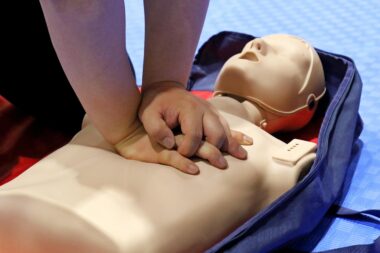
Learning CPR for dogs involves understanding the anatomy of your pet. The location of the heart, lungs, and airway is vital for performing CPR effectively. The heart in dogs is located just behind the front leg, in the chest cavity’s left half. This location is essential when implementing chest compressions. You should position your dog correctly on its right side for the best results during the procedure. Familiarize yourself with the right way to give chest compressions. For large breeds, use both hands with the heel of one hand on the heart area, applying firm pressure downwards. For smaller breeds, use one hand to compress the chest effectively without running the risk of injuring the ribs. Each compression should be gentle but forceful enough to circulate blood. While providing compressions, remember to maintain a rhythm, ideally at a rate of approximately 100 to 120 compressions per minute, similar to the tempo of the song ‘Stayin’ Alive’ by the Bee Gees. Additionally, alternating between compressions and rescue breaths can stimulate your dog’s circulation and increase oxygen flow.
Rescue Breathing Techniques
Rescue breathing is crucial when performing CPR on your dog. This technique helps bring oxygen back into your pet’s body. You need to position the dog accordingly, ensuring it lies on a firm surface. Open the mouth wide and pull the tongue forward gently to maintain an open airway. Check for any obstructions, and if found, remove them carefully. Cover the dog’s nose with your mouth to create a seal. It’s important to deliver breaths slowly and with care, minimizing the risk to your pet. One effective way is to breathe into the nasal cavity, with only two breaths given after every 30 compressions. Listen for any signs that the breaths are making a difference, such as the chest rising and falling. Your goal during rescue breathing is to provide enough air without forcing it. Take your time and be aware of your dog’s condition. If they show any improvement, continue CPR until help from a veterinarian arrives. Monitor their response; witnessing even small improvements can be encouraging during this stressful time.
After CPR, it’s essential to follow through with proper care and attention. Even if your dog seems to regain consciousness, immediate veterinary assistance is still necessary. Post-CPR, the pet may suffer from pulmonary issues or neurological difficulties. They may require further medical assessment or intervention to ensure their recovery is on the right path. After an episode of cardiac arrest, any underlying health problems should be identified and addressed. Take careful notes on any observed symptoms before arriving at the vet’s office. Signs of distress, changes in behavior, and any physical abnormalities noticed should be documented. It’s crucial to convey this information accurately to the vet for optimal treatment. Moreover, you may want to evaluate your dog’s home environment to prevent future emergencies. Be proactive by keeping harmful items out of reach and ensuring your pet has regular health check-ups. This vigilance can mean the difference between life and death. Overall, learning pet first aid is a way to provide your dog with the best care possible during unforeseen situations.
Preparation and Planning
Preparing for emergencies ensures you know what to do when faced with a dog health crisis. Familiarizing yourself with first aid techniques ahead of time will make you better equipped to handle emergencies efficiently. It is recommended for every dog owner to take a pet CPR and first aid course. These courses often provide hands-on experience and can prepare you for real-world scenarios. Additionally, having a first aid kit handy with the necessary supplies is vital. Include items such as bandages, gauze, antiseptic wipes, and a muzzle to handle injured pets safely. Adopting these measures can create a favorable environment for both you and your dog. Knowing who to contact during emergencies, such as your local vet’s office or a 24-hour emergency clinic, is also critical. You should have this information conveniently displayed at home. Take special note of any specific medications your dog may require. Developing a comprehensive plan can help reduce panic during emergencies. It’s recommended to practice these techniques with family members, so everyone is involved and owns the responsibility for your dog’s health.
Finally, develop routine training and refresh your skills regularly. Just like humans, pets may experience unpredictable health crises. Engaging in ongoing education about canine health can provide peace of mind and ensure you know how to react when emergencies arise. Attend workshops or local community events focusing on first aid for pets. These events often cover essential topics and can include guest speakers who are veterinarians. These experiences also encourage networking with other pet owners, placing you in a supportive community. You can exchange experiences, share advice, and stay informed regarding the latest guidelines for dog care. Additionally, there are plenty of resources available, including books, online tutorials, and videos, that can teach you about pet first aid. Make proper arrangements to secure your pet’s well-being through education and available resources. Your knowledge and readiness could save your dog’s life someday. Empower yourself today so that you may offer your furry companion a longer, healthier, and happier life by knowing how to administer proper first aid when needed.
Emergency Situations
Being prepared for various emergency situations is essential when it comes to dog care. Situational awareness can help you identify when immediate intervention is needed. Common emergencies include choking incidents, seizures, traumatic injuries, or exposure to toxins. Each of these situations may require different first aid techniques, underscoring the importance of being knowledgeable. For instance, if your dog is choking, you must act quickly to remove the obstruction, employing techniques such as the Heimlich maneuver. Implementing first aid promptly can minimize injury severity and improve recovery outcomes. Spending time researching pet illnesses and situations also prepares you for unexpected events. Moreover, having a good understanding of dog behavior can help you gauge their condition during emergencies. Be aware of indicators commonly associated with pain, such as excessive whining or attempting to hide. Whether it’s a health scare or an accident, your ability to act effectively can influence your dog’s recovery journey. Preparedness is the key to ensuring your furry friend lives a long and happy life free of unnecessary suffering.
Ultimately, staying calm in an emergency can dramatically affect the outcome for your pet. Avoiding panic is vital as it can cloud your judgment and slow your actions. If you feel overwhelmed, take a moment to breathe. Remember, actions performed hurriedly can lead to mistakes during CPR. Staying composed helps you make informed decisions, which is paramount. Having an emergency plan in place ensures everyone involved knows their roles and responsibilities. Discussing this plan with family members ensures all caregivers are prepared to act as needed. Make it a habit to practice CPR techniques periodically. You could designate a day each month to review, ensuring the skills are fresh. Additionally, sharing this knowledge with other dog owners can help create a more proactive community. The more people who know how to perform these first aid techniques, the better equipped we are for unexpected situations. Finally, be compassionate with yourself throughout this learning journey, recognizing that you are providing valuable care for your dog while preparing for unforeseeable incidents.