
Decoding the Various Tail Wag Positions and What They Indicate
Understanding tail wagging in dogs can reveal a lot about their emotions and intentions. Different tail positions and movements express various feelings, from happiness to anxiety. Tail wagging generally indicates excitement or contentment, but it’s essential to analyze the context and specific wagging style to interpret accurately. Several factors contribute to how a dog’s tail wags, including breed, size, and even individual personality traits. For instance, a small dog may wag its tail differently compared to a larger breed. It’s fascinating to observe how tail wagging communicates deep emotional states. The speed, angle, and duration of the wag often hold significant meanings. Interpreting your dog’s tail movements allows for more profound insight into their feelings. Owners must connect tail positions with other body language cues, enhancing overall understanding of a dog’s emotional landscape. By doing so, it allows for better bonding and communication between dogs and owners, leading to happier, well-adjusted pets. Always be observant of your dog’s tail coordination and body movements to improve your comprehension of their needs.
Understanding Positive Wagging
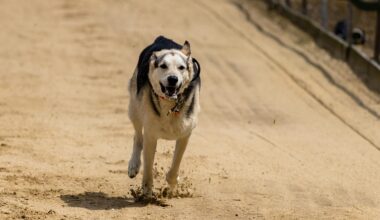
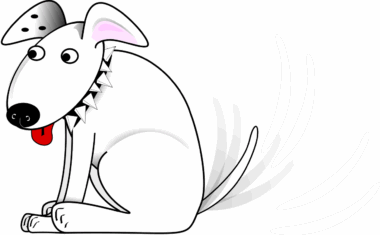
A wagging tail positioned upward with vigorous movement usually signifies happiness. When your dog’s tail is high and wags broadly, it’s essential to recognize this positive emotion. Dogs exhibit this behavior typically when excited, like greeting their owners after a long day. This kind of wag indicates tailored enthusiasm toward something or someone, highlighting a strong connection to their surroundings. In this state, your dog may display more playful behaviors, such as jumping and running around. Recognizing these positive tail wags can significantly enhance your interactions with your pet. This also helps gauge their overall mental well-being and readiness for social interactions. You may also notice other signs accompanying this wag, such as an open mouth and playful barks. Dogs in this state are often eager for playtime, making it crucial to engage them suitably. Additionally, the context of the interactions can guide your understanding. For example, if there are other dogs around, pay attention to their body language. Sensing mutual happiness can elevate social opportunities, benefiting every involved pet. Understanding these cues fosters a joyful, lively relationship between dogs and humans.
Conversely, a low tail wag or a slow wag presents different meanings. When a dog holds its tail low and wags subtly, it often suggests caution or uncertainty. This behavior may reflect anxiety in new environments or discomfort with unfamiliar situations. Watching for other behavioral cues, alongside the tail movement, is crucial for correct interpretation. Dogs showing this movement might back away, avoid direct eye contact, or even whine. As an owner, recognizing these signs allows for an appropriate response to assist your furry friend. Approaching with calm encouragement can often alleviate stress and help the dog feel secure. Ensure that interactions with new people or animals are introduced slowly and with positive reinforcement to increase comfort levels. Creating a secure environment is vital for lowering anxiety associated with low tail wagging. This behavior may also occur in timid dogs compared to more confident breeds. Understanding these emotional signals not only aids in enhancing the pet’s experience but also deepens the human-animal bond. Encourage confidence through gradual socialization and rewarding positive behavior for best results.
The Impact of Tail Position
Tail positions convey additional signals about a dog’s emotional state beyond mere wagging. A tail held high indicates confidence, while a tail tucked between the legs points to fear or submission. Each position illustrates a different aspect of the dog’s temperament. When a dog’s tail is relaxed and hanging down, it usually signifies a neutral or calm demeanor. Understanding these positions empowers owners to respond appropriately to their dogs’ emotional needs. Dogs also react differently based on their environment, which can influence tail movement and positioning significantly. Breed characteristics play a critical role in interpreting tail signals effectively. For example, some breeds are naturally more inclined to wag their tails vigorously due to their playful nature. Observing these traits in conjunction with behavior patterns creates a comprehensive understanding of the dog’s psyche. Thus, it is crucial to consider the individual animal’s personality while interpreting tail behavior. Tail positioning should consistently be assessed in light of other factors, including context and environment, to arrive at a holistic understanding. Staying engaged with these cues allows for stronger, stress-free interactions.
Beyond tail positions and movement, the speed at which a dog wags its tail offers additional insights into their emotional state. Quick, frantic tail wags often signify heightened excitement or alertness. Dogs wagging their tails rapidly may be eager to play or have found something stimulating in their environment. On the other hand, a slow wag could denote uncertainty or contemplation. This can often occur when a dog is assessing a situation. Recognizing these differences can help owners tailor their responses according to the dog’s needs. Engaging positively with a high-energy wagging dog encourages joyful interaction. However, if slow wagging is observed amidst signs of caution, adjusting the situation is prudent. Calm, gentle encouragement offers comfort and can alleviate potential fear. Additionally, observing the presence of other cues, like barks or body posture, supports accurate interpretation. All these behavioral aspects combined lead to discovering how best to interact with your dog. The more responsibly pet owners respond to these differing wagging speeds, the more harmonious the relationship will be, fostering trust and comprehension that can significantly benefit both parties.
Conclusion: The Importance of Tail Wagging Insight
In conclusion, understanding the science of tail wagging provides valuable insights into a dog’s emotional spectrum. Recognizing the variations in tail positions, speeds, and accompanying behaviors leads to a more knowledgeable approach for pet owners. By doing so, owners can effectively meet their dogs’ emotional and psychological needs. The connection between tail movement and a dog’s mood serves as a crucial communication tool. Engaging at the right moments using positive interaction strategies enhances overall well-being and social cohesion both within the home and the broader community. Myriad factors contribute to each unique tail wag, reflecting a dog’s innate personality traits and emotional responses. Simply being attentive to these signals can elevate the quality of both your interaction and your dog’s comfort level. Encouraging a positive environment allows dogs to flourish in their confidence and happiness over time. Ultimately, this understanding fosters a rewarding relationship built on mutual respect and love. Incorporating regular observation of tail wagging into your routine will not only enrich your life but also help cater to the emotional evolution of your furry friend.
In summary, decoding tail wagging alongside other behavioral cues equips dog owners with comprehensive knowledge. Mastering this art ultimately leads to a better understanding of their pet’s emotional landscape. Dogs communicate a rich array of emotional signals through tail wagging that deeply enriches the human-animal bond. Observing and interpreting these signals in context ensures appropriate reactions from the owner. Such insights can transform a misunderstanding into a supportive and loving interaction. Tail wagging, while an often-overlooked behavior, serves as a window into a dog’s feelings. Recognizing its significance improves overall harmony in multi-pet households and enhances dogs’ emotional well-being. Before adopting a new pet, understanding these signals can play a critical role in preventing future miscommunications. Developing a fully integrated understanding of the various tail positions and what they indicate allows for nurturing a deeper companionship. Owners committed to becoming attuned to their dogs’ emotions will notice substantial benefits in their pets’ behavior and happiness. Thus, the importance of understanding tail wagging in dogs cannot be overstated and is vital for ensuring lifelong companionship.
It’s clear that decoding the signals behind dog tail wagging cannot be underestimated. Analyzing the meaning behind different positions and movements makes a profound difference in how dog owners interact with their pets. Understanding tail wagging enhances the owner-dog relationship, ultimately benefiting both parties. In retrospect, every wag holds a message waiting to be deciphered. By implementing the knowledge gained from observing tail movements, owners can ensure their dogs feel understood and appreciated. Recognition of their emotional states fosters a nurturing environment for growth and trust. As such, the ability to read and interpret these cues becomes vital, enhancing overall happiness and reducing stress. Pets thrive when their emotional and psychological needs are met correctly. Regularly observing tail wagging opens channels of communication between dogs and their owners. This communication, in turn, nurtures a positive bond, which is essential for a fulfilling and loving relationship. Being attuned to these subtle signals creates a more connected companion experience, enhancing daily interactions and enriching everyday life. Indeed, the humble wag can unlock many of the intricate emotional layers present in our beloved canine friends.