
How to Identify and Address Stress-Related Excessive Grooming
Excessive grooming in cats can be a sign of stress, often leading to skin irritations or fur loss. Understanding the reasons behind this behavior is essential for effective management. Cats may groom excessively due to environmental changes, anxiety, or previous trauma. Identifying these triggers allows you to address the root cause, minimizing stress for your cat. Consider changes in your household, such as new pets, moving, or even changes in your schedule; any of these can lead to anxiety. monitoring your cat’s behavior can help you better understand their needs. One way to assess their condition is by observing their grooming patterns. If your cat is fixated on grooming certain areas, such as pulling out fur or licking relentlessly, it’s time to intervene. Stress-related grooming can also be accompanied by other signs such as hiding, aggression, or changes in appetite. If you notice any of these behaviors, consult your vet. They will help you determine if the excessive grooming is a medical issue or stemming from stress. Actively addressing your cat’s environment and emotional needs can help them feel at ease, ultimately alleviating grooming issues.
Once you have recognized excessive grooming, it is important to investigate potential solutions that will relieve your cat’s stress and thus reduce their grooming habits. First, create a calm environment tailored to their needs, ensuring they have a safe space where they can retreat. Incorporate places such as cat trees or enclosed spaces where they can feel secure. Additionally, engage your cat using toys, scratching posts, and interactive playtime to divert their attention and energy in a positive manner. Regular exercises can help release pent-up energy and prevent boredom, which contributes to stress in cats. Furthermore, consider establishing a routine, as predictability can significantly comfort your cat and ease their anxiety. Schedule meals, playtime, and relaxation periods consistently to reinforce their daily structure. If your cat is particularly anxious, consider the use of calming products, like pheromone diffusers, calming collars, or herbal supplements—make sure to consult your veterinarian before introducing any new product. Monitoring your cat’s reactions will provide you with feedback on what strategies are most effective for their unique temperament and situation, making your intervention more tailored and effective.
Consulting Professionals for Support
When addressing stress-related excessive grooming, sometimes professional help becomes essential in managing your cat’s behavior. Seek assistance from a veterinarian familiar with feline behavior, as they can provide tailored guidance. Your veterinarian can rule out underlying medical problems, such as allergies or skin conditions, which could aggravate grooming. Behavioral experts will introduce you to training techniques specifically designed for handling anxiety and stress relief in cats. An animal behaviorist can customize a program that helps modify your cat’s grooming habits and understands your cat’s reactions to different stimuli. Another approach to further support your cat is to explore pet therapy options. An experienced trainer or behavioral consultant can work with you and your pet to establish a healthier grooming routine while reinforcing confidence. Therapy can also help you understand your pet’s misbehavior causes, teaching you how to better handle stressful situations together. These professionals will arm you with tools to nurture a stress-free environment, ultimately aiding in your cat’s mental well-being. Building a support network with other pet owners can also provide insights and encourage you to share experiences relating to feline stress management.
As you learn to identify and manage stress-related excessive grooming, keep a close eye on how your cat responds to implemented changes. Each feline is unique, and developing an understanding of their emotions will help foster better communication between you and your pet. Regularly assess your cat’s behavior, and adapt your strategies based on their needs. By paying attention to subtle shifts, you can better gauge their comfort levels and identify any new stressors that may arise. Additionally, don’t hesitate to return to your veterinarian or behavioral professional for ongoing support if needed. Reach out to cat-loving communities where you can share your experiences or learn from others who have faced similar challenges. Online forums, social media groups, or local pet clubs can become great resources. By connecting with other cat owners, you can exchange valuable information and solutions that may help both you and your pet. Remember that patience is key when developing effective stress-management techniques. Creating a loving and safe home for your cat will take time and effort, but the rewards of a happy feline companion will surely be worth it.
Monitoring Your Cat’s Health
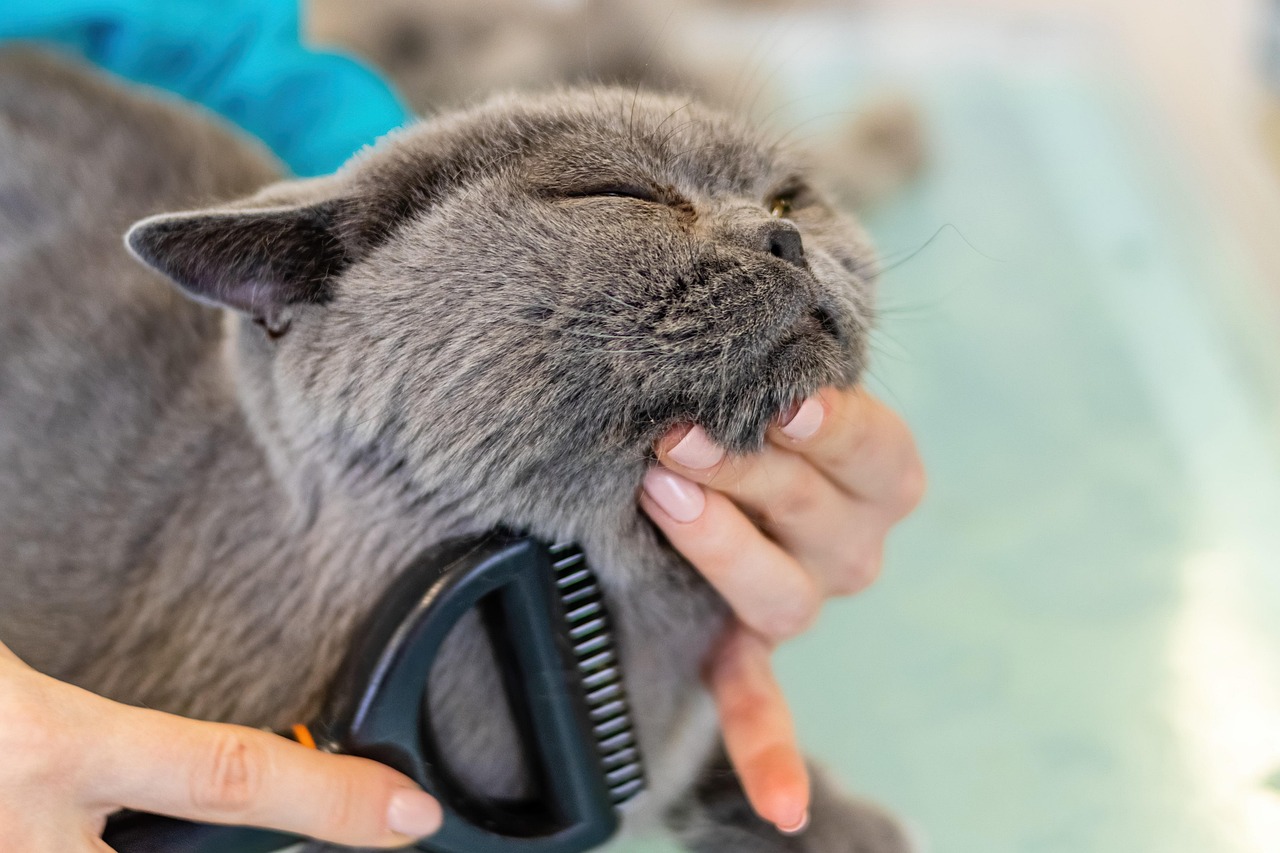
Regular health check-ups are critical to keeping your cat thriving and preventing issues that might lead to stress. Taking your feline to the vet at least once a year is a good habit, as early detection of health problems can prevent escalation. Pay attention to any shifts in their weight or appetite, as sudden changes can indicate stress or illness. Maintaining an optimal weight and encouraging healthy eating habits will keep your cat physically fit and may contribute to belittling excessive grooming behavior. Also, actively check for signs of skin issues, such as redness, bumps, or irritations that could lead to discomfort, making grooming a compulsive response. As proper hygiene is paramount, regularly groom your cat’s fur to prevent matting and reduce the tendency to groom excessively. Bathing and grooming sessions can be utilized as bonding experiences, improving your overall relationship with your pet. Use this time to inspect their body for lumps, bumps, and skin problems that may cause stress. If your cat appears to be in pain or discomfort, consult your veterinarian immediately; knowing your pet’s health status allows you to address their needs efficiently.
Making lifestyle changes that positively impact your cat’s environment significantly contributes to reducing excessive grooming behavior. Introducing enriching elements into their daily routine can lead to a happier, more relaxed pet. Utilize puzzle toys that stimulate mental engagement while rewarding them with treats to keep their minds active. Interactive toys and games can increase your cat’s playful energy, allowing them to explore their surroundings creatively. Also, include climbing and perching opportunities through cat trees and shelves, allowing your feline to engage naturally with their environment. Providing cozy, comfortable hiding spots gives them a sense of security amid a busy household. If your cat enjoys outdoor exploration, consider harness training or creating an enclosed outdoor area for stimulation. Ensure your living space is free from loud noises, harsh lights, or sudden disturbances, which may contribute to stress. Regularly assessing how your cat interacts with their environment can lead you to discover more effective methods that decrease feelings of stress. The overall goal is to create a nurturing, stimulating space where they can relax and explore, ultimately curbing stress-related excessive grooming.
Conclusion
In conclusion, addressing stress-related excessive grooming in cats is essential for their well-being. By identifying causes, implementing solutions, and seeking professional assistance when needed, you can help your pet lead a happier, healthier life. Being aware of your cat’s behavior and making necessary adjustments to their environment can significantly de-escalate stress. Make it a regular practice to engage with your feline through play and attention to strengthen your bond and build trust. The best way to approach this challenge is through patience and understanding, as each cat will respond differently to stressors. Monitor your cat’s behavior to see if the changes you’ve made are effective. Expect to see some progress over time, and don’t hesitate to adapt your techniques or seek professional help again if the issues persist. Remember that creating a calm environment might take time, but your efforts will pay off when you see improvements in your cat’s well-being. Lastly, educate yourself about common cat behaviors, stress responses, and general care to provide them with the best possible home environment.