
The Role of Dog Training Tunnels in Competitive Agility Sports
Dog training tunnels play a pivotal role in enhancing the performance of canine athletes in competitive agility sports. These tunnels are designed to assist dogs in developing speed, confidence, and agility while navigating various obstacles. Training with tunnels provides dogs with the opportunity to learn how to focus, listen to their handler, and work in tandem in a fast-paced environment. When dogs become familiar with moving through tunnels, they also learn the concept of spatial awareness, making them more adept in obstacle navigation. Tunnels stimulate the dog’s enthusiasm for agility training, encouraging them to engage and enjoy the process. Additionally, offering treats or toys at the tunnel exit can further motivate dogs, creating a positive association with the equipment. The various sizes and shapes of tunnels also allow trainers to create diverse courses, tailoring their practice sessions according to their dog’s skill level and experience. Therefore, introducing dog training tunnels early in agility training sets a solid foundation for competitive success, enhancing not just performance but also the bond between dog and handler.
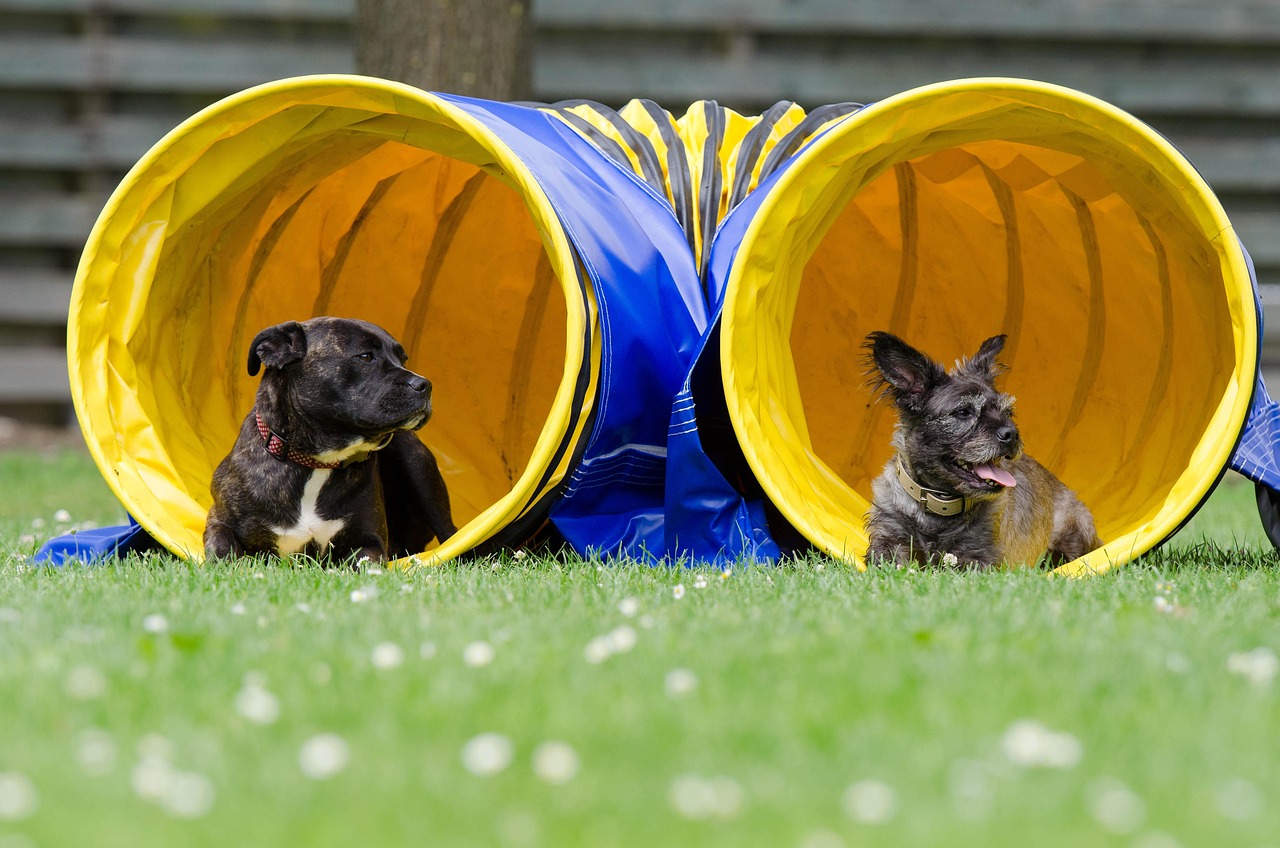
The construction of dog training tunnels is another essential aspect worth mentioning. Typically made from durable, weather-resistant fabric, these tunnels are designed to withstand energetic movements and inclement weather conditions. The materials used often include reinforced stitching and lightweight frames, making them both portable and easy to set up. Tunnels come in different sizes and diameters, catering to various dog breeds and training levels. For instance, a smaller diameter may be more suitable for agility training with smaller dogs. Furthermore, the tunnel can be adjusted in terms of length, allowing trainers to create a challenge that aligns with their canine’s capabilities. The vibrant colors and appealing designs often used in tunnels can stimulate a dog’s interest, making training sessions more enjoyable. Safety is crucial, too; ensuring that the tunnel has a secure entrance and exit prevents any accidents. Regular inspections of the tunnels for wear and tear are essential, maintaining their integrity during practice. Investing in high-quality training tunnels not only facilitates effective learning but also ensures a safer training environment for all participants in agility sports.
The impact of dog training tunnels extends beyond physical agility; they also enhance mental stimulation. For dogs, agility training often requires both physical activity and mental focus. Completing an agility course, particularly one that includes tunnels, challenges a dog’s cognitive abilities as they must think critically about their next move. This mental engagement reduces boredom and can help alleviate behavioral issues found in high-energy dogs. It can also contribute to improved obedience, as dogs learn to respond to commands more swiftly when they are focused. Additionally, practicing regularly with tunnels helps reinforce existing skills while introducing new challenges. Trainers can vary the tunnel placements and angles to create different scenarios, further enhancing a dog’s adaptability in unpredictable settings. In competitive scenarios, mental readiness is just as vital as physical capability, making the use of training tunnels essential. The combination of physical exercise and mental engagement leads to well-rounded dogs, prepared to excel in competitive agility sports while enjoying the training process alongside their handlers.
Benefits of Using Tunnels in Training
Incorporating dog training tunnels into agility training helps dogs develop various skills crucial for competitive success. Firstly, they promote coordination and balance, necessary attributes for swiftly navigating obstacles in agility courses. When a dog consistently runs through tunnels, they fine-tune their movements and timing, contributing to an overall increase in performance. Additionally, tunnels challenge dogs to build confidence in unfamiliar surroundings, which may contribute to a reduction in anxiety during competitions. As dogs learn over time that they can trust their handler’s instructions, their ability to remain calm and focused during agility runs improves significantly. Tunnels also serve as a great incentive for practicing speed, pushing the dog to soak in the excitement of racing through a course. With repeated exposure, they build muscle memory, enabling them to move through obstacles with greater ease. Beyond individual skill progression, this shared journey fosters teamwork between the dog and its handler. Together, they learn to navigate through challenges, enhancing communication and companionship, essential aspects in competitive settings.
Moreover, dog training tunnels benefit trainers and handlers by providing them with the ability to assess their dog’s progress efficiently. While training, handlers can observe and analyze their dog’s techniques and responsiveness to commands. This insight is critical for adjusting training methods to bolster a dog’s performance effectively. For instance, if a handler notices their dog hesitating at the tunnel entrance, they might need to work on building the dog’s confidence more deliberately. Conversely, if a dog speeds through the tunnel without hesitation, it could indicate readiness for more advanced challenges. This feedback loop can significantly enhance the training experience, paving the way for consistent improvements. Additionally, dog trainers can collaborate with fellow professionals to design tunnel courses, creating engaging and stimulating training sessions. Such collaboration encourages sharing best practices, leading to better flexibility in training routines. Overall, the synergy created through training using tunnels enhances not just the training regimen but also promotes community among trainers and pet owners seeking excellence in their agility pursuits.
Choosing the Right Training Tunnel
Selecting the appropriate tunnel for dog training involves considering various factors. Firstly, the tunnel’s intended purpose must be defined; whether for basic training or competition preparation will influence the choice. Different tunnels suit different training stages, so knowing the dog’s current skill level becomes crucial. Additionally, evaluating materials is essential; robust yet flexible materials are best for indoor and outdoor use. For instance, lightweight tunnels facilitate effortless transportation and setup while ensuring longevity. Trainers should also consider the length and diameter of the tunnel, as these influence the dog’s willingness to navigate through it. Wider tunnels encourage smaller dogs while narrower options may help assess larger breeds’ confidence and agility. Furthermore, investing in variable tunnel structures can provide unique challenges, helping dogs adjust to complex courses seen in competitions. Reading reviews and seeking recommendations from fellow trainers can provide useful insights on quality and performance. Ultimately, choosing the right tunnel enhances training effectiveness and fosters a great environment for developing canine athletes ready for competition.
Lastly, maintenance of dog training tunnels is vital for longevity and safety. Regular cleaning ensures that the material does not accumulate dirt, debris, or odors. Keeping the tunnel in good condition reduces the risk of any slips or accidents during training sessions. It is also advisable to inspect seams for potential wear, making necessary repairs promptly to prevent injuries. Folding or storing the tunnel correctly when not in use extends its life and keeps it in optimal shape. Trainers should familiarize themselves with the manufacturer’s care instructions to abide by the best practices. Furthermore, replacing tunnels that show significant wear is crucial as aging equipment can contribute to negative training experiences. Maintaining the tunnels not only preserves the dog’s exciting training environment but also ensures a safe platform for competitors. By understanding the significance of proper care, trainers can create a consistent and secure setting for aspiring agility stars. Overall, maintaining dog training tunnels is as integral to success as the training itself, ultimately determined by the condition and quality of the equipment used.
In conclusion, dog training tunnels play a vital role in the competitive agility sports scene. They offer unique benefits in dog development, handling techniques, and performance enhancement. These tunnels not only encourage physical agility but also foster mental sharpness, creating well-rounded canine athletes. As trainers incorporate tunnels into their training regimens, they’ll witness notable improvements in confidence, coordination, and speed. Moreover, building connections and teamwork between dogs and handlers positively impacts their experiences in training and competitions. Therefore, investing in high-quality training tunnels and ensuring their proper maintenance creates a strong foundation for agility success. Furthermore, as trainers become increasingly creative in training methods, the engagement level not only rises but also leads to a more fulfilling experience. To enhance competitiveness, trainers can network with other agility enthusiasts to gather insights and share practices. Thus, the role of dog training tunnels is crucial, bridging various essential elements of success in competitive agility sports, ultimately heightening the joy of participation for both dog and handler alike.