
Understanding the Dietary Needs of Kittens
Caring for a kitten involves understanding their specific dietary needs. Kittens have unique nutritional requirements that differ significantly from adult cats. Their growth and development demand a balanced diet that provides not only energy but also the essential vitamins and minerals necessary for healthy growth. It is highly recommended to provide a high-quality kitten food that contains the proper balance of protein, carbohydrates, and fats. The right blend of nutrients will support their rapid growth and development, particularly during their first year of life. A well-balanced diet will contribute to robust bone development and maintain their overall health. Complete and balanced kitten formulas often contain crucial ingredients such as DHA (docosahexaenoic acid) for brain development. Also, be sure to read the labels carefully, as the quality of ingredients can significantly impact your kitten’s long-term health. Consult with a veterinarian to ensure that the chosen food meets your kitten’s individual needs, and remember that hydration is critical too. Fresh water should always be available. Offering wet food occasionally can aid in hydration as well.
When feeding a kitten, portion control is essential. Unlike adult cats, kittens typically require multiple small meals throughout the day. Most veterinarians recommend feeding kittens around four meals a day. This amount may vary depending on their age, size, and activity level. A good rule of thumb is to follow the feeding guidelines provided on the kitten food packaging but adjust as necessary based on your kitten’s needs. Pay attention to their hunger cues, and be cautious of overfeeding, which could lead to obesity and health issues in the long term. Monitor their weight regularly and consult your veterinarian about ideal weight goals. Transitioning your kitten from nursing to solid food should be done gradually. Start introducing moist kitten food mixed with formula, and as they adjust, slowly increase the consistency to solid food. Socializing around meals can also be beneficial. Ensure the feeding area is clean and quiet to promote good habits. Lastly, remember that kittens are curious and playful, so be sure to supervise them during feeding times to prevent choking or accidents.
Nutritional Components
The primary nutritional components of a kitten’s diet must include protein, fat, and carbohydrates. Protein is crucial, as it aids in growing muscles and tissues. Look for kitten food that lists high-quality meat as its primary source of protein, such as chicken, turkey, or fish. These proteins contain essential amino acids that are vital for your kitten’s overall growth and health. Additionally, kitten food should contain a moderate amount of fat, which supplies energy and supports healthy skin and a glossy coat. For kittens, fat should be around 20-30% of their total caloric intake. Carbohydrates play a less critical role but can provide energy. Choose formulas that contain digestible carbs like rice or oatmeal. Furthermore, vitamins and minerals such as calcium, phosphorus, and taurine are essential. Calcium and phosphorus help ensure robust bone development. Taurine is critical for heart and eye health. It is important to look for complete and balanced formulas certified by AAFCO (Association of American Feed Control Officials) to guarantee that they meet the nutritional needs of growing kittens.
Kitten food may come in various formats, including dry kibble, wet food, and semi-moist options. Each of these provides different benefits. Dry kibble is convenient and helps reduce tartar buildup on teeth. Wet food, on the other hand, offers higher moisture content and is often more palatable for kittens. Many kittens are attracted to the smell and texture of wet food, making it an excellent way to entice picky eaters or promote hydration. Semi-moist food can also be satisfactory but ensure it has quality ingredients. Some owners may choose to mix dry and wet foods to balance out the benefits. Whatever diet you select, keeping the feeding schedule consistent will help your kitten adapt more easily. It is also advisable to introduce any new food gradually to avoid digestive upset. Start by mixing the new food with their current food, gradually increasing the ratio over several days. Remember that kittens have sensitive digestive systems; sudden changes may lead to gastrointestinal issues. Therefore, patience is key in transitioning your kitten onto new or different food.
Common Diet Challenges
As kittens grow, they may experience common dietary challenges that require observation and adjustments to their diet. One of the frequent issues seen during kitten nutrition is allergies or intolerances. If you notice any signs, such as excessive scratching, gastrointestinal upset, or skin irritations, consult a veterinarian to discuss potential dietary changes. They may recommend a limited-ingredient diet to identify specific allergens. Another challenge is proper weight management. It is essential to monitor your kitten’s body condition regularly to ensure they are growing at a healthy rate. Overfeeding or underfeeding can significantly impact their health. Portion control and regular vet check-ups will help keep them on track. Some kittens may also become finicky eaters. If your kitten refuses to eat, it can lead to health issues such as hepatic lipidosis. In such cases, experimenting with different textures, flavors, or warming the food slightly can stimulate their appetite. Regardless of the challenges, it’s crucial to foster a healthy relationship with food, so avoid using food as a form of punishment or reward.
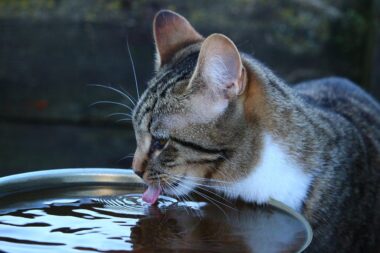
Hydration is as critical as nutrition when it comes to kitten care. Proper hydration impacts digestion, metabolism, and overall well-being. Kittens tend to have a low thirst drive, making it essential to encourage them to drink adequate water daily. Fresh, clean water should always be accessible, as they might not approach stagnant water willingly. Utilizing a kitty water fountain can help attract their interest, as many cats prefer running water to still water. Additionally, incorporating wet food into their diet assists with hydration. Wet food can comprise a significant part of a kitten’s daily water intake. Keep in mind that kittens are inherently playful and curious, so supervision during their feeding and drinking time is essential. They may accidentally tip over water bowls or make a mess with food. Providing a non-slip mat under their feeding area can help maintain cleanliness. Regularly changing their water and cleaning the feeding bowls is also essential to prevent bacterial growth and maintain healthy habits. Creating a routine helps kittens establish good drinking habits, ensuring they stay well-hydrated.
Consultation with a Veterinarian
Finally, one of the most important aspects of kitten care regarding dietary needs is regular consultations with a veterinarian. A vet can provide tailored advice for your kitten’s specific nutritional needs based on age, breed, and health status. During routine check-ups, the veterinarian can evaluate the kitten’s growth, weight, and overall condition, ensuring that the diet remains adequate as they grow. Regular visits also help in identifying any signs of health issues related to diet or growth. It is essential to seek professional guidance when changing a kitten’s diet or if there are concerns about allergies, intolerances, or adverse reactions to any foods. When discussing food choices, consider asking about the best brands and nutritional options tailored for kittens. Additionally, the vet can suggest suitable supplements if deemed necessary. The relationship you build with your veterinarian will ensure a well-rounded approach to your kitten’s health. Remember, proper nutrition lays the foundation for your kitten’s long-term health, vitality, and happiness.