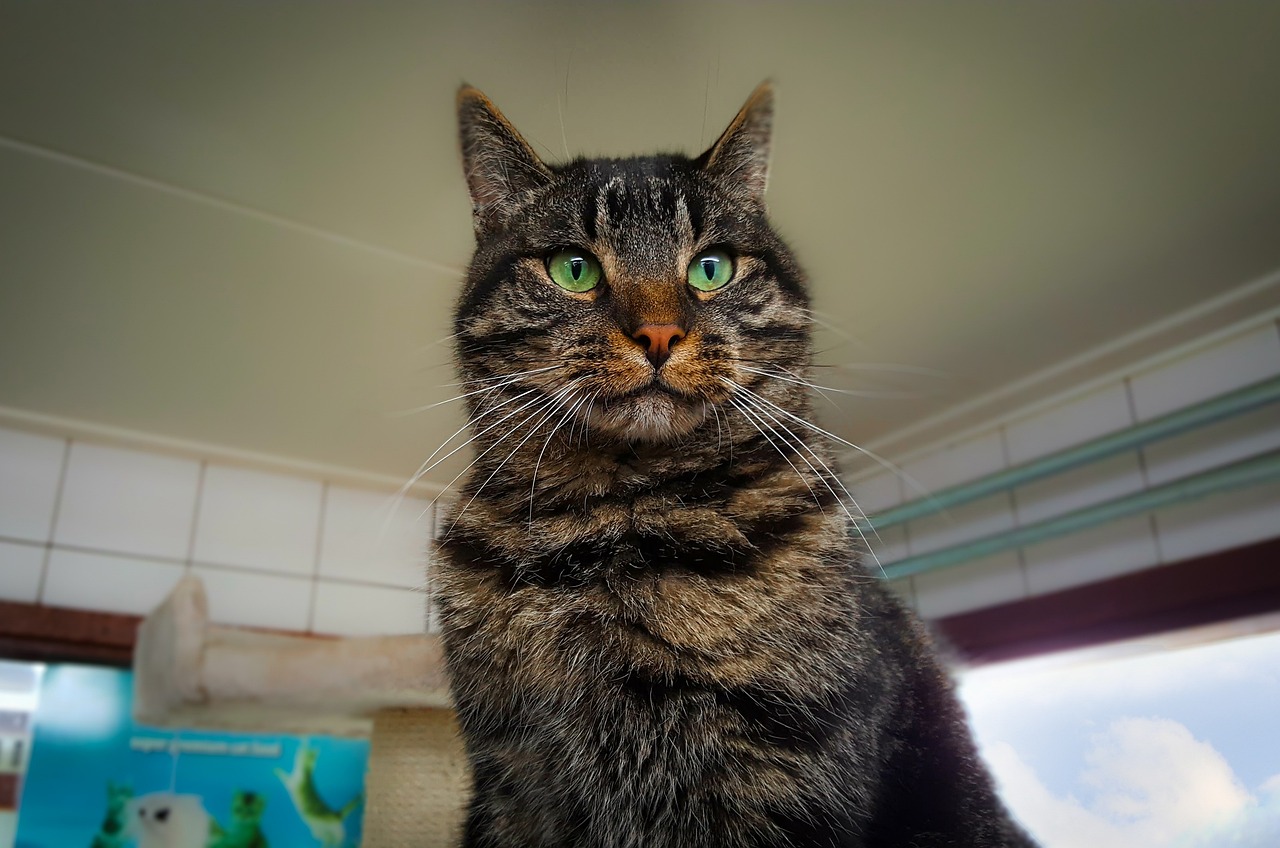

Using Shelter Environments to Facilitate Stray Cat Socialization
Understanding how to effectively socialize stray cats can transform their lives significantly. Stray cats typically lack the social behavior expected in domestic cats. Shelter environments provide a controlled atmosphere that can aid in their gradual acclimation to human contact. These shelters are integral in helping to build trust between the cats and caregivers, which is essential for successful socialization. Creating a calm and safe space fosters an environment where these cats can feel secure. This, in turn, influences their behavior positively and allows them to warm up to the concept of interaction with humans. Furthermore, such environments allow for various techniques to be implemented. For instance, shelter workers can introduce gentle handling and interactive play to encourage a bond. Providing places for these cats to hide, as well as elevated spaces for climbing, can mimic their natural instincts. But it’s vital to be patient and consistent during this process. As they begin to feel comfortable, the spectrum of their interactions with humans can broaden immensely. Proper strategies in these shelters not only enhance the chances of adoption but also improve the overall mental health of stray cats.
Individualized Care for Stray Cats
Each stray cat comes with its unique background and experiences, making individualized care essential for effective socialization. Some may have had previous negative encounters with humans, while others might have lived mostly in isolation. Individual assessments can help caregivers tailor their approach to each cat’s needs. This involves observing body language, vocalizations, and various behavioral patterns to understand each cat better. Offering choices, such as when to engage or retreat, empowers these cats and fosters a sense of security. Additionally, these assessments allow shelters to create socialization plans that incorporate gradual exposure to human interactions, ensuring that the process is stress-free and attractive to the cats. Socialization should never be rushed; thus, caregivers must remain vigilant about the cats’ comfort levels at all times. Techniques involving positive reinforcement—such as treats or gentle talking—can be effective tools in easing the integration process. Engaging in play activities that capture the cats’ interest also provides positive experiences. By fostering trust and comfort, caregivers can bridge the gap between stray and domestic behavior, ultimately encouraging successful socialization and long-term placement.
Creating a Stimulating Environment
The environment in which stray cats are socialized can significantly impact their response to human interaction. A stimulating environment includes a variety of toys, climbing structures, and even scratching posts. Offering diverse opportunities for play can help keep their spirits high and encourage engagement. Simple elements, like soft bedding, can also enhance comfort levels, making the space feel like a safe haven. When stray cats are provided with adequate stimulation, they seem more inclined to explore their surroundings and interact with caregivers. This exploration is critical in building their confidence and facilitating social interactions. Moreover, various textures and scents can encourage curiosity and facilitate playtime, making it easier for them to bond with humans. Interactive toys, such as feather wands or laser pointers, can capture their interest and initiate playful engagement. Group socialization sessions can also be beneficial, enhancing their social skills with other cats and humans alike. However, monitoring during these interactions is vital to ensure safety and comfort. By ensuring shelter environments are enriching, caregivers can foster positive experiences that facilitate meaningful human-cat relationships.
The Role of Caregivers in the Process
The responsibilities of caregivers in a shelter extend far beyond basic feeding and cleaning. These individuals play a crucial role in the socialization process of stray cats. Through the observance of individual behaviors, they can develop customized strategies to help each cat adapt better to human interaction. Understanding feline psychology is invaluable, as it informs how caregivers approach each cat with empathy and patience. Consistent handling techniques and daily interactions can significantly affect a cat’s willingness to socialize. Caregivers can build trust by being calm, gentle, and consistent with their behavior. This trust often leads to the cat feeling secure enough to explore their surroundings and interact with humans. Furthermore, encouraging group interactions among caregivers can help create a supportive environment where cats may learn from one another. Staff training is also paramount; teaching caregivers about feline behavior ensures they can identify signs of stress and respond appropriately. In essence, the role of caregivers encompasses facilitating comfortable environments and creating positive experiences. Their influence can dramatically shift the outcomes for stray cats, leading to successful adoptions and social stability.
Behavioral Cues to Monitor
Monitoring behavioral cues is instrumental in understanding stray cats’ comfort levels. Caregivers must be adept at recognizing subtle signs that indicate whether a cat is feeling stressed, relaxed, or frightened. For example, a cat that crouches low or hisses might be signaling fear, while one that purrs and approaches may be expressing comfort and curiosity. Observing how cats respond to different stimuli—such as noises, movements, and interactions with humans—helps in tailoring the socialization process effectively. Patience is paramount; creating a checklist of behavioral cues can assist caregivers in consistently tracking changes in disposition. Seek to note transitions from fearful to curious or playful behaviors; these are positive indications of progress. Additionally, keeping an eye on social dynamics during group interactions can aid in addressing aggression or intimidation among cats. The further these cues are understood and recorded, the more effectively caregivers can tailor their interactions with the cats. Ultimately, this understanding fosters an environment where stray cats feel secure, facilitating faster and smoother transitions to successful socialization.
Importance of Time and Patience
Socializing stray cats is not an instantaneous process; it requires considerable time and patience to yield successful outcomes. Each cat develops at its unique pace, and those coming from traumatic backgrounds may take longer to trust humans fully. Caregivers must recognize and allow for these differences, as rushing the process can lead to setbacks, stress, and even regression in behavior. Establishing a routine can provide cats with a sense of structure that helps them feel more secure. Regular, gentle interactions create familiarity and build a bond over time. Emphasizing patience also helps caregivers manage their expectations and understand that setbacks are part of the journey. Regular progress evaluations can assist in acknowledging improvements. Not every interaction will lead to immediate success. Embracing the time it takes for each cat will cultivate a nurturing environment. Success should be measured not by how quickly a cat is adoptable but by how happy and healthy they become during this process. In essence, time and patience are critical components in achieving effective socialization of stray cats and ensuring favorable outcomes for their futures.
Building a Community Around Socialization
Creating a community-centered approach enhances stray cat socialization efforts significantly. Involving local volunteers, organizations, and the community creates a support network that amplifies the efforts made in shelters. Additionally, educating the public about the challenges of stray cats can foster understanding and compassion, encouraging more individuals to participate in socialization initiatives. Workshops and events can facilitate various learning opportunities about handling, behavior, and socialization strategies. Such community engagement not only helps in socializing more cats but can also lead to improved adoption rates. Collective efforts mobilize resources, including time and funds, which can be utilized to enhance shelter environments and training programs. Establishing partnerships with vets and animal welfare organizations can also lead to better health outcomes for stray cats during the socialization process. Social media platforms can spread awareness and recruit volunteers eager to support these initiatives, building a coalition focused on reducing the stray cat population humanely. The power of community involvement can reshape perceptions, leading to increased adoption and happier lives for previously stray cats as they transition into loving homes.
Conclusion and Future Directions
In conclusion, using shelter environments for stray cat socialization presents immense value. The effective techniques and community engagement foster positive interactions, ultimately shaping a better future for these cats. Investing in educational efforts for caregivers enhances understanding, allowing for tailored approaches to each cat’s needs. Patience and monitoring build trust, paving the way for successful socialization. Future endeavors should focus on refining these methodologies and expanding outreach programs that incentivize community participation in cat welfare. Collaborative efforts can enhance the overall quality of life for stray cats while promoting the value of compassion and responsibility. Additionally, incorporating feedback from adoptive families can further enrich socialization practices by highlighting successful techniques and outcomes. As we continue this journey, adaptability remains essential as new strategies and insights emerge in feline socialization. Engaging with ongoing research ensures that the approaches adopted in shelters evolve to meet changing welfare standards and expectations. In striving toward more successful socialization processes, together, we can create a world where every stray cat finds a loving home and a brighter future.