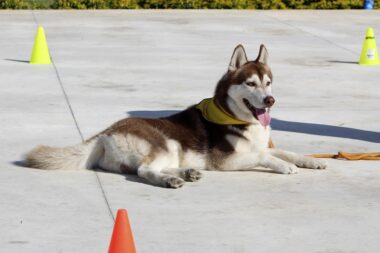
Breaking Barriers: Training Successes in Shelter Dogs
Every year, countless shelter dogs enter rescue programs, and many struggle with behavioral issues. However, remarkable training achievements happen that change their lives for the better. These transformations not only improve the adopters’ experience but also highlight the potential within each dog. Shelter staff and trainers utilize a variety of methods tailored to address individual needs. Among these, positive reinforcement and consistent routines have proven effective. This approach builds trust and encourages desired behaviors. Regular socialization with other dogs and people helps them become more well-adjusted. Trainers often focus on basic commands, which can significantly enhance the dog’s quality of life. Another key component is patience, as some dogs require more time than others to adapt. By employing structured training sessions, they can learn to overcome fears and anxiety. Success stories abound, showcasing dogs who have overcome great odds to find loving homes. Many of these canines achieve milestones, such as greeting strangers calmly, walking on a leash without pulling, and displaying affectionate behaviors toward their humans. The journey of each dog truly emphasizes the importance of appropriate training in transforming lives.
Personal Stories of Success
One particularly heartwarming story is that of Bella, a once-timid pit bull mix, who, after several months in the shelter, began to flourish. Initially, Bella hesitated to approach humans due to past trauma. However, a dedicated trainer worked relentlessly with her. By employing gentle techniques and creating a safe environment, Bella slowly transformed. After a few training sessions, she discovered the joy of positive interactions, showing curiosity rather than fear. Eventually, Bella learned basic commands and participated in agility courses, surprising both staff and adopters alike. Her journey highlights how tailored training can lead dogs to overcome their fears. Similarly, Max, a shy beagle, displayed reluctance towards new experiences. His trainer recognized this hesitation and devised a gradual exposure plan. Over time, Max became comfortable with new environments and other animals. His resilience not only earned him a devoted forever home but also won the hearts of everyone at the shelter. These success stories affirm the idea that with dedication, understanding, and patience, even the most troubled dogs can break free from their barriers, ultimately enriching human lives.
Another significant training success is illustrated through the story of Rex, a Labrador retriever who faced abandonment. At first, Rex exhibited challenging behaviors, such as excessive barking and jumping. Shelter staff recognized his potential and enrolled him in a training program specifically designed for high-energy dogs. The trainers focused on redirecting Rex’s energy towards constructive activities. Through engaging play and appropriate exercise routines, they successfully helped him develop focus and impulse control. Along the way, Rex learned basic obedience commands, which significantly improved his behavior. After several weeks, Rex transformed into a playful and disciplined companion. This journey culminated in him finding a loving family that appreciated his playful spirit. Rex’s case emphasizes the significance of understanding a dog’s energy level during training. Creating a balance between mental stimulation and physical activity is crucial in enhancing shelter dog behaviors. Additionally, trainers often share success stories with potential adopters. This approach not only showcases a dog’s progress but also builds a sense of trust. Adopting families feel more confident when they are aware of specific training techniques that can further aid in behavioral adjustments and create lasting bonds.
Training Techniques and Their Impact
Various techniques play a vital role in the success of training programs for shelter dogs. Some of these effective methods include clicker training, target training, and socialization exercises. Clicker training, in particular, uses a unique sound to mark desired behaviors, reinforcing learning through positive association. This method has shown long-lasting results, enabling trainers to communicate more effectively with dogs. On the other hand, target training encourages dogs to touch a specific object, making learning fun and engaging. Each technique offers an opportunity for dogs to learn efficiently, ultimately leading to successful adoptions. Furthermore, fostering a gentle and positive environment can create long-lasting effects on a dog’s behavior. Dogs often thrive when they recognize their trainers as reliable sources of guidance. This supportive atmosphere enables them to build confidence in their abilities. Veterinary behaviorists also recommend incorporating behavioral modification strategies into training to address specific fears or anxieties. By understanding the underlying causes of a dog’s behavior, trainers can tailor their approach. As shelters commit to enriching their training techniques, the results speak volumes through the success stories of countless dogs who overcome obstacles to achieve happiness at home.
Another noteworthy story involves Daisy, a shy chihuahua who struggled with extreme fear of strangers. Arriving at the shelter, she consistently barked and cowered away from human interaction. Shelter staff saw potential in Daisy, despite her challenges, and swiftly engaged her in one-on-one training sessions. The trainers implemented desensitization techniques to help her gradually acclimate to new stimuli. They asked volunteers to approach her slowly, rewarding her with treats for calm behavior. Over time, Daisy learned to associate people with positivity and safety. Her fear steadily diminished, resulting in remarkable changes. With continued training, she found joy in simple interactions and playtime. This experience ultimately led to a loving family adopting her, transforming Daisy’s life forever. Stories such as Daisy’s showcase the importance of love, attention, and patience in overcoming fear-based behaviors. These narratives inspire trainers and volunteers to continue their essential work with shelter dogs. As more dogs find successful placements through training, the bond between dogs and humans strengthens. Ultimately, these stories highlight the transformational power of compassion in shaping the relationship between shelter dogs and their new families, or the humans that give them a chance.
Celebrating Achievements
Recognizing and celebrating training successes fosters a positive atmosphere in rescue organizations. Annual events, like adoption days or training showcases, reflect the hard work and dedication of both the trainers and the dogs. These gatherings allow potential adopters to observe the dogs in action while participating in fun activities. A vital component of success is the community involvement, including local dog trainers and volunteers who contribute their time and expertise. Their participation elevates the experience for dogs, as well as for those considering bringing a new, furry friend into their lives. By showcasing successful transformations, shelters can inspire others to adopt and support their local rescue efforts. This also helps to change perceptions about shelter dogs. People can see that with the right training and love, many shelter dogs can overcome their past struggles and become loving companions. Celebratory events encourage a sense of opposition to stereotypes surrounding shelter dogs, promoting instead a narrative of hope, resilience, and joy. They demonstrate that each dog has the potential to adapt and thrive, given the right tools. In the end, these successes are about more than individual achievements; they symbolize the triumph of empathy and dedication.
As training programs evolve, the canine-human bond continues to grow stronger. Innovations in dog training emphasize tailored approaches. Utilizing technology, trainers now have access to various online resources and tools to enhance training methodologies. By embracing modern techniques, trainers can obtain valuable insights into canine behavior, which further refines their abilities. Online forums and courses provide trainers with a platform to share challenges and solutions. Collaborating with other trainers around the world fosters best practice exchanges. These technologies not only benefit dogs in training but also help expand the knowledge base for trainers everywhere. Moreover, sharing success stories widely across social media platforms raises awareness about shelter dogs seeking homes. Captivating stories and photos create emotional connections and can inspire others to consider adopting. Ultimately, each adopted dog carries a unique story, and the training successes they experience speak to the heart of their journey toward finding a loving home. As these successes multiply, they amplify the message that with love, determination, and proper guidance, every dog has the potential to thrive. Whether through partnerships, successful adoptions, or community support, the future looks bright for shelter dogs and their trainers.
All these success stories reinforce the belief that every shelter dog is a precious individual deserving a second chance. As communities rally together, the impact of collective effort ripples through every successful adoption. Dogs previously viewed as problematic demonstrate their capacity for growth through patience, understanding, and a willingness to learn. This collective action encompasses rescuers, trainers, volunteers, and adopters, each contributing their unique strengths. By uniting their efforts, they can uplift and transform the lives of shelter dogs. Sharing these narratives fosters a culture of hope and determination, encouraging others to get involved. Each story represents not just a successful training outcome but also a powerful reminder of resilience. Rescued dogs provide companionship and love, enriching the lives of their owners in countless ways. Moreover, fostering a supportive community strengthens bonds among dog lovers and promotes awareness of the issue of pet abandonment. As dogs transition from shelter life to loving homes, their journeys inspire ongoing commitment to training and rehabilitation efforts. The future looks promising as more people become aware of the joys of giving shelter dogs a chance. This finale champions the idea that with every successful adoption, a new chapter of love begins.