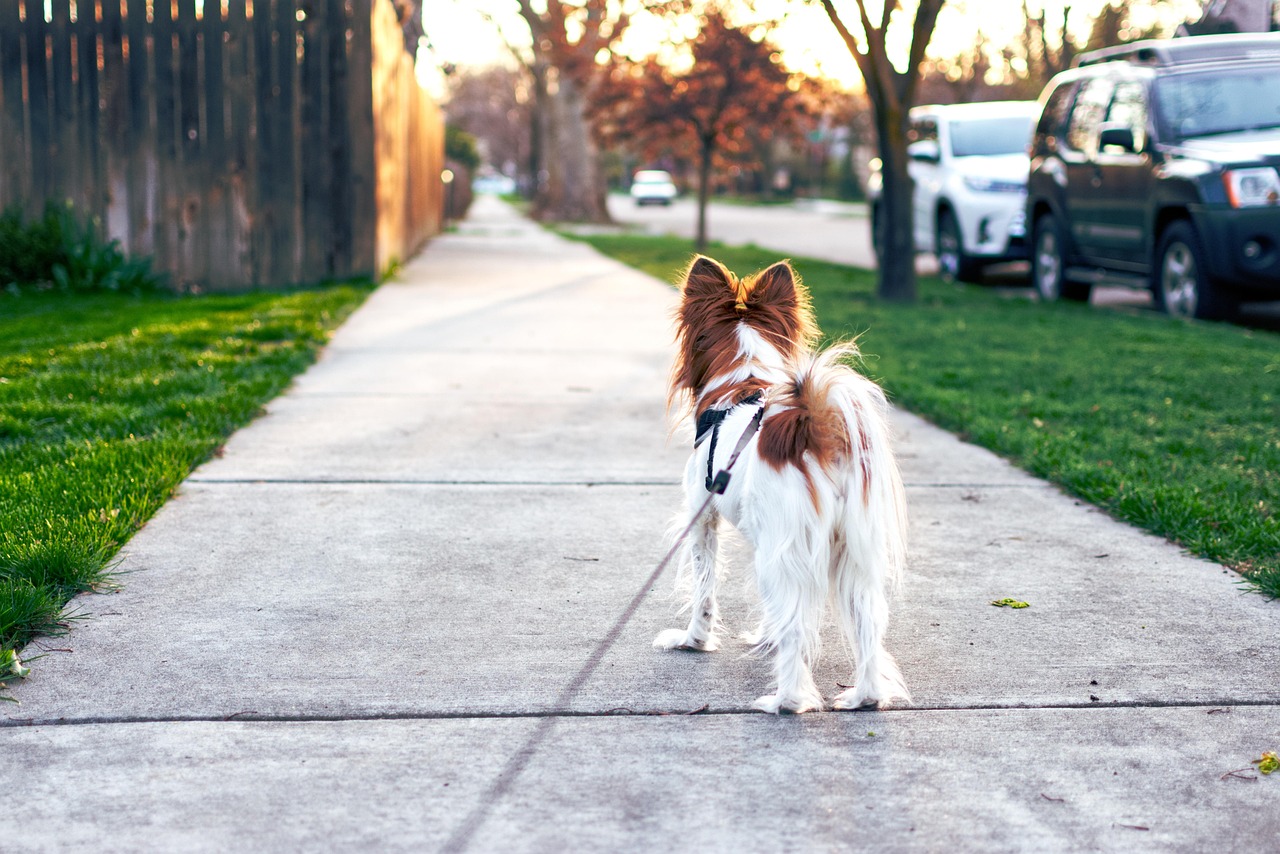

How to Train Your Dog to Walk Safely on a Leash
Training your dog to walk safely on a leash is essential for both the pet and the owner. A well-trained dog will make walks enjoyable and stress-free. Start by familiarizing your dog with the collar and leash. Allow your pet to sniff and interact with both before actual training begins. This positive reinforcement helps your dog understand that wearing the collar and leash means enjoyable outings. Choose a comfortable collar that fits well without being too tight, and consider using a harness for better control.Beginners should start in a quiet area free from distractions. Begin walking with your dog beside you, and gently guide them back when they pull. Use treats or praise when they walk at your side. Consistency is key; practice regularly and set achievable goals. Furthermore, keep the walks fun by using varying routes and speeds. This keeps your dog engaged and responsive. As your dog becomes more accustomed to the leash, gradually introduce them to busier environments. Always be patient, as training may take time, but with dedication, you ensure a safe and enjoyable walking experience for both of you.
Leash training is a continuous process that evolves with your dog. Being aware of your dog’s body language is vital in ensuring safety during walks. A calm dog will have a relaxed posture, while an anxious dog will show signs of tension. To foster this calmness, practice short training sessions, gradually increasing their length. Use positive reinforcement for good behavior while walking. You might reward your dog when they remain at your side or ignore distractions. Remember to bring along their favorite treats or toys to motivate them. Explore various environments, such as parks or busy streets, to help your dog adapt to different scenarios. When distractions arise, redirect your dog’s attention back to you with treats or commands. With continued exposure, your pup will learn how to remain focused while walking on a leash. Consistency with commands like “heel” or “let’s go” helps set clear expectations. As your dog becomes more proficient on the leash, introduce new challenges, like other dogs or cyclists, to test their abilities. This will help your dog understand the importance of good leash manners. Each successful outing reinforces its training and creates a stronger bond between owner and pet.
One of the biggest challenges in leash training is managing excitement. Dogs can become overly eager when they see other dogs or people, leading to pulling or lunging. To address this, teach your dog alternate behaviors in situations where they may become overly stimulated. For instance, when encountering another dog, cue them to sit or focus on you instead of giving in to the urge to chase after the other dog. This teaches self-control and ensures a safe distance from potential distractions. Imagine your dog feeling relaxed at the sight of other dogs rather than excited—it’s possible through consistent reinforcement. Additionally, practice walks with friends who have dogs to help socialize your pet in controlled environments. Encourage positive interactions by allowing your dog to sniff and meet new friends while maintaining loose leash walking. If your dog begins to pull or show signs of anxiety, immediately redirect them to a calm behavior using treats or commands. Avoid harsh corrections, as they may lead to trust issues. Remember to celebrate every small advancement in their leash behavior, making your walks enjoyable and fulfilling for both of you.
Choosing the Right Equipment
Selecting appropriate equipment is crucial for effective leash training. Start by choosing a dog collar or harness that fits your pet comfortably. Collars should be snug but not too tight, allowing you to fit two fingers between the collar and the dog’s neck. When choosing a harness, opt for one that distributes pressure across the dog’s body rather than just the neck. This is especially important for small or brachycephalic breeds prone to respiratory issues. A good leash is equally important; a standard 6-foot leash works well for most dogs. Avoid retractable leashes, as they can lead to inconsistent behavior and make training challenging. Instead, focus on stable, durable leashes that provide consistent length control. Also, consider using a leash with padding for added comfort during longer walks. Bright colors or reflective materials can enhance visibility, ensuring safety. When purchasing gear, prioritize quality over price. This helps reduce the risk of wear and tear that could compromise safety. Proper equipment fosters a sense of security for both you and your dog, enabling a smooth training process. Every dog deserves to walk with confidence and comfort.
As training progresses, it’s essential to incorporate safety practices during your walks. Always be vigilant about your surroundings, particularly in busy areas or near traffic. Keeping a safe distance from roads is crucial for both your dog’s and your safety. Use sidewalks and designated paths whenever possible. Populated parks are excellent for stimulating your dog’s senses, but be careful of other pets and unfamiliar faces. To ensure your dog’s safety, use appropriate commands such as “leave it” or “come” to manage their curiosity. React appropriately when your dog encounters potential dangers, such as other animals or unexpected situations. In addition, always have water on hand, especially during warm weather, to keep your pup hydrated. Animals can easily overheat, so plan accordingly on hot days. Bring a portable bowl for water breaks to give your dog opportunities to hydrate during longer walks. Supply yourself with waste bags for clean-up, showing responsibility and respect for your environment. Lastly, know your dog’s limits. If your dog is tired or stressed, consider shortening your walks to avoid fatigue or anxiety and make future outings enjoyable and relaxing.
Encouraging a Positive Experience
Ultimately, creating a pleasant walking experience will enhance your dog’s inclination to enjoy leash training. Start by making walks fun and stimulating; vary the environments you explore. An engaging walk could include visits to new parks, trails, or different neighborhoods. Mix up the pace by incorporating short runs or stops for sniffing. Dogs enjoy exploring; let them indulge their curiosity! As they trust the leash, encouraging good behavior with reward treats strengthens your bond. Always end training sessions on a positive note, rewarding your dog with praise and treats when they perform well. This fosters a positive association with walks, making them something your dog looks forward to. Consider incorporating toys or games into your routine. Interactive games, like fetching, can serve as affectionate breaks while still maintaining the leash training focus. Allowing some playtime between walking routes creates a dynamic and exciting environment for your dog. Frequent reinforcement of these enjoyable experiences during walks will eventually lead to a well-behaved, confident dog that understands their leash rules. An understanding dog enhances their experience and yours, transforming every walk into an adventure rather than a chore.
Conclusion
Training your dog to walk safely on a leash takes time, patience, and consistency. The rewards are undeniably worth the effort, leading to happier and safer outings together. Building trust and understanding through effective training techniques paves the way for enjoyable, well-mannered walks. Always start with positive reinforcement, gradually introducing commands and new experiences to aid learning flexibility. With the right equipment, a focus on safety, enjoyable experiences, and consistent reinforcement, you can cultivate a skillful walking partner. Pay attention to your dog’s body language to ensure you’re aware of their feelings and responses. Each walk should cater to the comfort and needs of both the dog and the owner. As you and your dog become a well-coordinated walking team, remember to celebrate your successes. A positive attitude towards leash training builds lasting memories and a strong bond between you and your furry companion. Every walk becomes an opportunity to connect, learn, and explore your surroundings. Make the habit of walking together an essential part of your daily routine, thus ensuring your dog’s happiness, fitness, and safety, allowing for a fulfilling companionship for years to come.
Dog Collar and Leash Safety
Ensuring your dog’s collar and leash are safe is key to your pet’s overall well-being. Make it a priority to inspect the collar and leash regularly for any signs of wear or damage. Replace any equipment that shows signs of fraying or breaking, as compromised gear may pose safety risks. Remember, a secure collar should adequately adjust but never be too loose. Loose collars can slip off and create situations for your dog to become lost. Consider personalized collars with your dog’s name and your contact information as an additional safety measure. These tags aid in quick reunions if your dog wanders off. Additionally, teaching your dog to understand leash cues can prevent impulsive reactions. Accidents can happen quickly in crowded areas; training your dog to respond to your commands helps ensure everyone’s safety. This preparation will aid in quickly redirecting your dog from stressful encounters, such as when meeting other dogs or people. Keep your sessions short and rewarding, providing praise during walks when they respond positively. Always prioritize your dog’s comfort alongside safety, establishing proper equipment standards, to build a solid foundation for every adventure together.