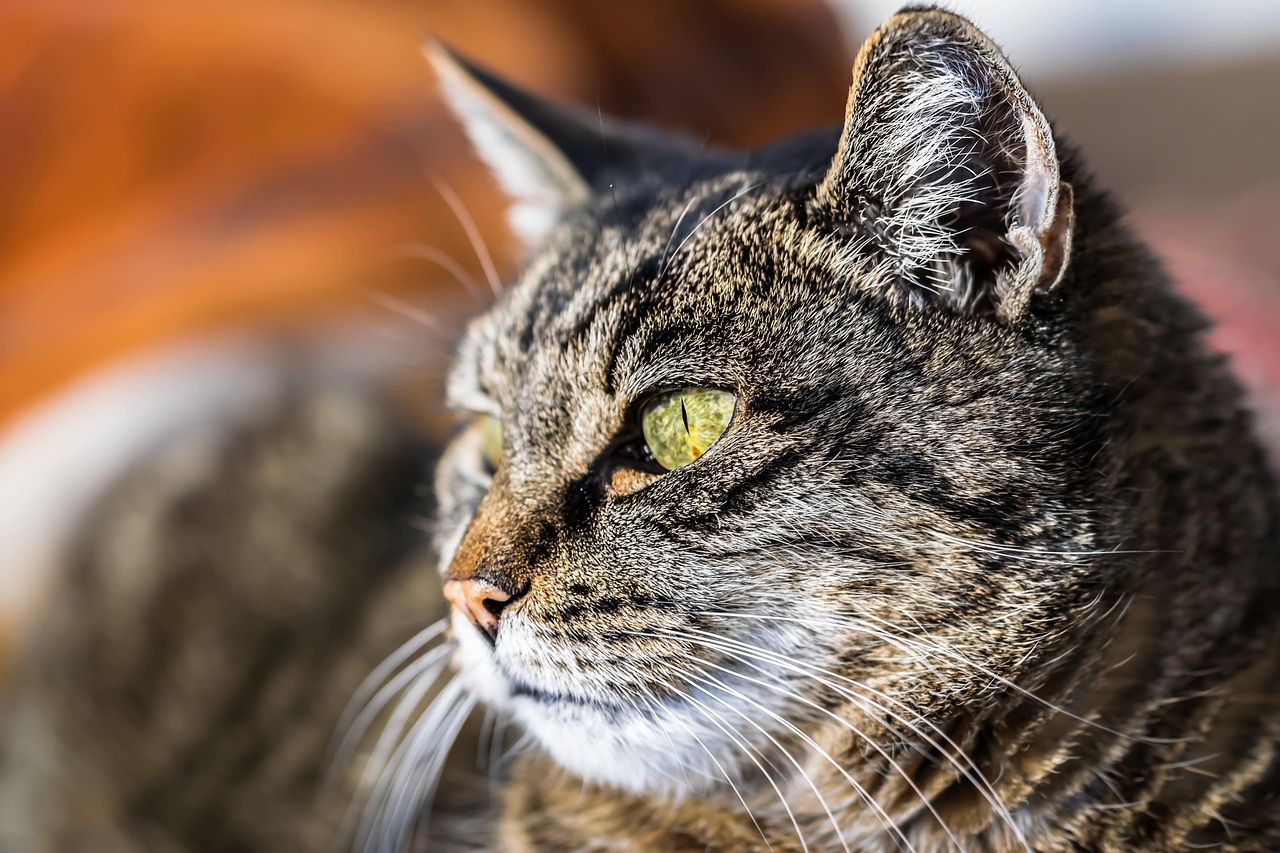

Identifying When Your Cat Feels Threatened Through Their Eyes
Understanding cat behavior is crucial for any owner hoping to foster a safe and loving environment. One key aspect of this behavior manifests through their eyes. Cats communicate a variety of feelings, including fear and agitation, through their eye movements and expressions. When a cat feels threatened, you may notice widened pupils, which are classic signs of distress. This reaction often happens in response to perceived danger, prompting them to take immediate action. Additionally, a cat may stare intently at a threat, exhibiting what is known as ‘fixation.’ Cats use their eyes to gauge their environment, often assessing situations before deciding how to respond. Furthermore, a cat’s eyes can reflect its overall health and stress levels too. Look out for excessive squinting or the narrowing of pupils, which can suggest discomfort. Understanding these visual cues can greatly enhance your relationship with your feline companion. Take notice of how your cat communicates through its eyes, leading to a safer and more attentive interaction. Providing a secure space where your cat can retreat when feeling threatened is essential in minimizing stress.
Another important factor in reading your cat’s eye language is the role of blinking. Cats often engage in slow blinking to communicate trust, affection, and calmness. On the contrary, a lack of blinking or an unwavering stare can indicate fear or readiness to defend themselves. When your cat is feeling threatened, you might notice that they will fixate on a person or an object without blinking, which is their way of sizing up the situation. Understanding this context is vital for recognizing when to intervene or provide comfort. In addition, recognizing and interpreting a cat’s body language alongside its eye expressions offers a more complete understanding of its emotional state. If your cat’s ears are flattened, and the body is tense while staring, it’s essential to give them space. Always consider that a cat, like other pets, has unique personality traits and reactions. What instills fear in one cat may not seem threatening to another. Therefore, always observe your cat’s surrounding interactions and context deeply, as these can provide insights into their emotional comfort levels devotedly.
Signs of a Threatened Cat
When assessing a cat’s emotional status, being cognizant of their eye language can reveal essential insights. An overt display of white around the eyes, known as ‘whites of the eyes,’ is another indicator of unease. This trait appears when a cat feels cornered or threatened. Instead of the typical roundness of their eyes being visible, the whites become evident as they prepare to escape or defend themselves. Observing other behaviors accompanying this eye expression can provide even more context about your cat’s state of mind. For example, a cat may also hiss, growl, or even retreat to a hiding spot when scared, which illustrates that they feel insecure about their environment. This concern is not solely reserved for outdoor settings; indoor cats often face threats from loud noises or unfamiliar visitors. Furthermore, you can enhance their environment, making it safer and more comfortable, by providing vertical spaces such as cat trees or shelves to let them escape potential threats. Paying close attention to these signs enables you to respond promptly to a frightened cat.
To further identify when a cat is feeling threatened, take note of the tail’s language in conjunction with their eye behavior. A raised tail suggests confidence, while a low or tucked tail indicates fear or submission. When cats feel threatened, their tails can become puffed up, making them appear larger and more intimidating. This behavior typically coincides with their eyes widening and pupils dilating, creating an overall image of alertness and readiness to react. If you notice these signs in your cat, it’s important to assess the situation and provide an escape route or sense of security. Cats rely heavily on feeling secure in their surroundings. Furthermore, learning to distinguish between playful eye expressions and fearful eye movements is crucial. Playful cats will display relaxed eyes and occasionally give quick blinks, indicating engagement rather than fear. Watching these subtle changes can dramatically enhance your ability to respond appropriately and provide comfort when needed, deepening your bond with your furry friend.
The Importance of Eye Contact
Eye contact plays a significant role in cat communication, encompassing various emotions and states of being. For many cats, prolonged eye contact from a human can be perceived as a threat. Cats prefer softer gazes that convey comfort and interest, rather than direct, unwavering stares. Encourage gentle interactions by engaging in slow blinking while looking at your cat, which can demonstrate affection and calmness. This technique, often referred to as ‘cat kisses,’ can bridge the communication gap between owner and pet. It demonstrates that you are not a threat, promoting their emotional safety. Understanding this dynamic is essential as it teaches you how to effectively engage with their eye language. If your cat blinks back or closes their eyes slowly, it is generally a sign of relaxation and trust, indicating they feel safe with you. By fostering this eye connection, you can help ease any tension in your cat. Eye language becomes a significant tool in nurturing a wholesome relationship, ensuring both you and your cat feel secure and understood in your companionship.
Lastly, consider that individual differences may affect how each cat interprets eye language. Some felines are naturally more skittish or sensitive, while others might be bold and less reactive. By understanding these personality traits, you can provide a nurturing environment tailored to their needs. Taking note of your cat’s reactions to common stimuli can drastically influence how you approach situations involving potential threats. For instance, while some cats may prefer solitude in a separate room during stressful moments, others may seek human companionship for reassurance. Regularly observing their behavior can help you identify these preferences. It will also enable you to create a more favorable atmosphere, where they feel less threatened and more secure. Additionally, changes in surrounding elements, such as new furniture or different sounds, can profoundly impact anxiety levels. In situations where your cat seems under threat, reinforcing their safe spaces or offering favorite toys can help comfort them. Understanding the depths of their feelings leads to a more rewarding and harmonious living arrangement for both you and your cherished feline.
Conclusion
In summary, reading your cat’s eye language is an essential skill for any devoted pet owner, fostering a better understanding of their emotional states. Recognizing signs such as pupil dilation, wide-eye expressions, and changes in blinking patterns can alert you when your cat feels threatened. Attention to their overall body language provides even more context for interpreting these signals. Creating a secure environment where your cat feels safe to express these emotions fosters trust and deepens your bond. As you become more adept at interpreting these signals, the relationship with your feline companion will grow. Supporting their emotional needs enables you to proactively address their fears while creating a nurturing atmosphere. Work gradually at this skill, and remember that patience is key. The more you invest in decoding your cat’s subtle cues, the more enriching your connection will be. Ultimately, the insights gained will lead to a happier and calmer feline, thanks to your attentive and loving approach to their unique communication style. Trust between a pet and owner positively influences both parties’ well-being, making for a joyful living dynamic.
Always prioritize their comfort and make adjustments as necessary to suit their unique behaviors over time, leading to deeper and more fulfilling experiences together.