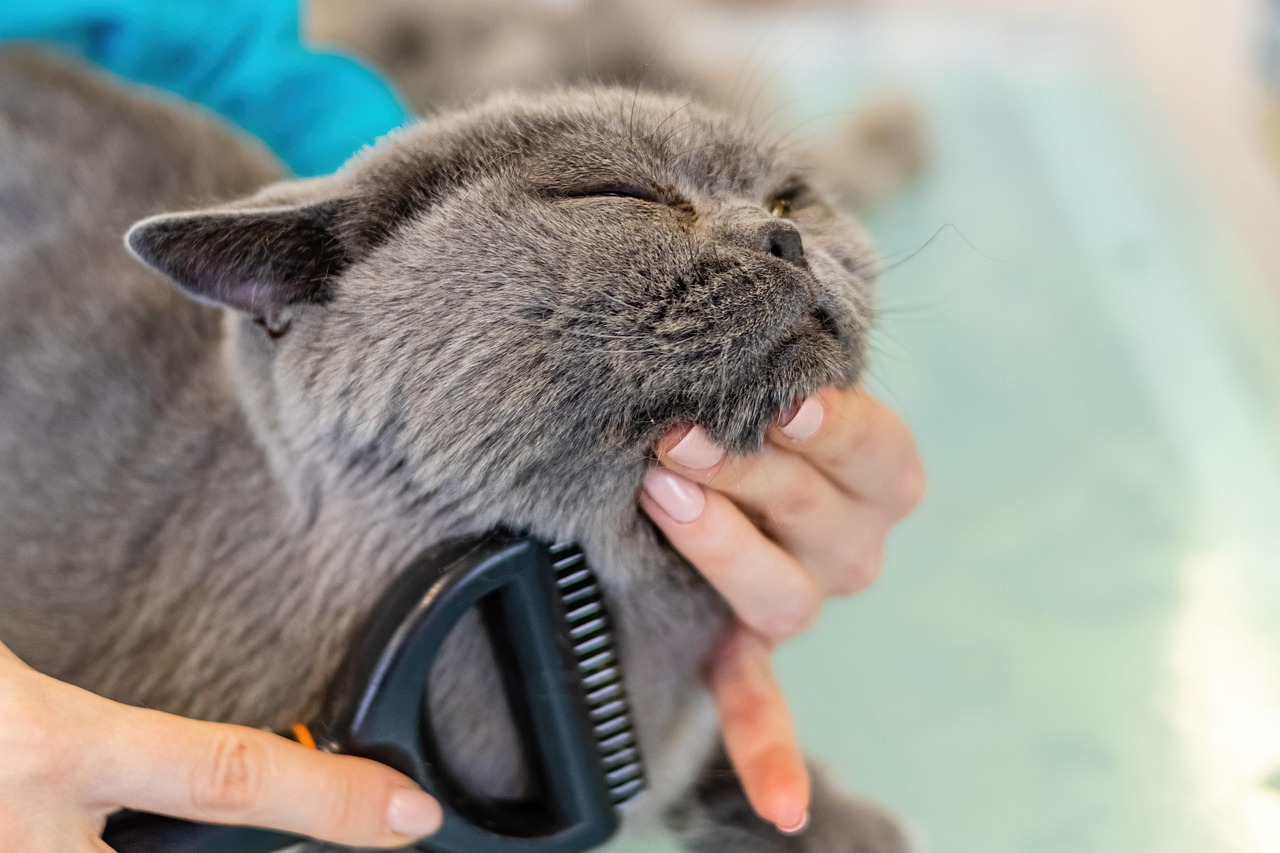

Step-by-Step Guide to Acclimating Your Cat to Grooming Sessions
Grooming your cat is essential for their health and comfort, but it can be a challenging experience for both the pet and the owner. Therefore, acclimating your cat to grooming begins long before you introduce any tools. Start with creating a quiet, comfortable space where the grooming will take place. Allow your cat to explore the area to reduce anxiety. Scatter their favorite toys or use treats as positive reinforcement to create a pleasant atmosphere. During this initial exploration phase, let your cat become familiar with the grooming tools. Place the brushes and combs nearby, so they can sniff and investigate them at their own pace. Always monitor their comfort levels, and don’t rush them into the grooming process immediately. Over the next few days, continue to encourage exploration by gradually bringing treats closer to the grooming tools. This positive association will help establish a calm environment. Once your cat feels secure in the area and accustomed to the tools, proceed to the next step of gentle handling. Always remain patient and calm, as your demeanor affects your cat’s feelings about the grooming experience.
The next stage of acclimatizing your cat involves introducing them to the grooming process itself. Start by picking up the grooming brush and gently brushing a small area of fur while using calming words to reassure your cat. Choose moments when your cat is relaxed, such as after a meal or during their usual nap times. If your cat paws at you or tries to escape, stop immediately and give them space. Remember, the goal is to make this a positive experience. Gradually increase the grooming time as your cat becomes less anxious. In the beginning, just brush a few strokes and then reward them with a treat. This helps to build a positive association with grooming. Additionally, pay attention to your cat’s body language to gauge their comfort level. If they seem stressed or agitated, take a break and try again later. Your patience during this stage is key; the more pleasant you make the experience, the easier it will be in the long run. Over time, your cat will begin to associate grooming with positive outcomes, making the process easier to integrate into their routine.
Consistency is Key in Cat Grooming
Consistency plays a vital role in acclimating your cat to grooming sessions. Establish a routine that works for both of you. Decide on a specific time for grooming that suits your cat’s natural schedule. Make it a ritual, such as grooming right after a meal or at the same time each day. This will help to decrease any anxiety your cat may feel about the process. During each session, strive for a balance of grooming and play. Start with light strokes, then gradually increase them as your cat becomes more comfortable. To avoid overwhelming them, alternate between grooming and gentle petting. This not only relaxes your cat but also builds trust between the two of you. Always take note of the grooming tools you’re using; sometimes a different brush can make a significant difference in comfort. Invest in various tools suited for the coat type of your cat. Remember to reward your cat with treats and praise after each session, reinforcing positive associations. This blend of routine, play, and reward will create a much more enjoyable grooming experience for your feline friend.
As you continue the grooming acclimation process, consider integrating bathing into the routine. While most cats are not fans of water, introducing them to bathing gradually can be beneficial. Pair the experience with the grooming to help them feel at ease. Begin by allowing them to explore the empty bathtub or sink. Spread a soft towel in the area, and encourage your cat with treats to hop in. Slowly, increase the time they spend in the tub without water before introducing the spray feature. Use non-slip mats to provide stability if they feel unsteady. Once they’re comfortable, progressively introduce water. Start by using a damp cloth to wet their fur in areas where they are most comfortable. Safety is paramount; never force your cat into a bath if they resist. As always, listen to their reactions. If they panic, back off entirely and try again another day. The ultimate goal is to ensure they feel safe and secure in the bathing situation. Celebrate small victories in this process and be mindful of how their comfort level may shift.
Using Positive Reinforcement Techniques
Positive reinforcement techniques are effective in helping your cat feel at ease during grooming sessions. Use treats they adore, especially during the first few sessions, to make grooming desirable. After successfully brushing a small area of their fur, immediately offer a treat. This teaches them that good things happen during grooming, making them more likely to cooperate in the future. Beyond treats, remember that verbal praise plays an equally important role. Using a soothing tone filled with encouragement can positively affect their perception of grooming. Don’t underestimate the power of your presence; a calm and relaxed individual can significantly influence their comfort levels. Integrate play into grooming sessions, using favorite toys to create a fun atmosphere. Gradually incorporate the tools during playtime, allowing your cat to familiarize themselves while associating it with a positive experience. Lastly, stay connected during the process. Pat your cat or have them near you while grooming to reassure them they are not alone. These small, consistent efforts can help transform any fear of grooming into a more delightful shared experience.
As your cat becomes more accustomed to grooming sessions, you can explore alternatives like professional grooming services. While acclimation is essential, occasional visits to a groomer can also help. Select a groomer who is knowledgeable about cats and understands feline behavior. Before committing, observe their methods to ensure they prioritize the cat’s comfort. This trust can further enhance your cat’s grooming experience at home. To help your cat transition to a groomer, repeat the acclimation techniques you’ve used at home. Introduce them to the professional gradually, allowing your cat to sniff or interact at their own pace. Schedule short appointments to reduce stress. If necessary, use comforting items such as your cat’s favorite blanket or toys during visits. Don’t forget to reward your cat after a professional grooming session, reinforcing positive feelings even from external assistance. This adaptability can benefit both you and your feline friend, providing a well-rounded grooming experience. Remember that continuous exposure and fostering positive feelings are essential elements in ensuring your cat remains comfortable with grooming, whether at home or in a professional setting.
Monitoring Your Cat’s Reactions and Adjusting
Pay attention to your cat’s reactions during grooming sessions, as their comfort level can vary from day to day. It’s essential to be observant of changes in your cat’s behavior. If they seem relaxed and comfortable, you may gently increase the grooming duration or intensity. On the other hand, if they appear anxious or agitated, dial it back and offer a break. Making adjustments according to your cat’s feelings will strengthen your bond and build trust. Remember, every cat is unique; some may thrive on brushing while others prefer minimal handling. Be flexible in your approach, adapting techniques to fit their personality and needs. Always validate their feelings, understanding when to pause and allow for space. The gradual, patient approach is critical at this stage. Also, remember to document your cat’s progress. Tracking their comfort level and grooming frequency will allow you to evaluate what strategies work best for them. With time, you’ll learn to read their signals, drastically improving the overall grooming experience and solidifying your relationship.
In conclusion, grooming your cat is essential for its hygiene and overall well-being, but it requires patience and understanding. By following the steps outlined in this guide, you can help acclimate your feline companion to grooming sessions. Consistency is vital, along with positive reinforcement and monitoring your cat’s reactions. The gradual introduction of grooming tools will allow your cat to feel less threatened, and the establishment of a routine can pave the way for a more comfortable experience. Integration with playful elements, in addition to establishing trust, sets the stage for additional grooming needs like bathing or professional services. Each interaction becomes an opportunity to deepen your bond with your cat, reinforcing that grooming can be a loving experience rather than a stressful one. Pay attention to their responses, adjusting your techniques when necessary, and remember that every cat is different. Some may take longer to adapt, and that’s perfectly fine. Celebrate each small victory, and don’t rush the process; with time, your cat will come to enjoy grooming sessions. Embrace this journey of building trust and comfort while enhancing your cat’s overall health and happiness.