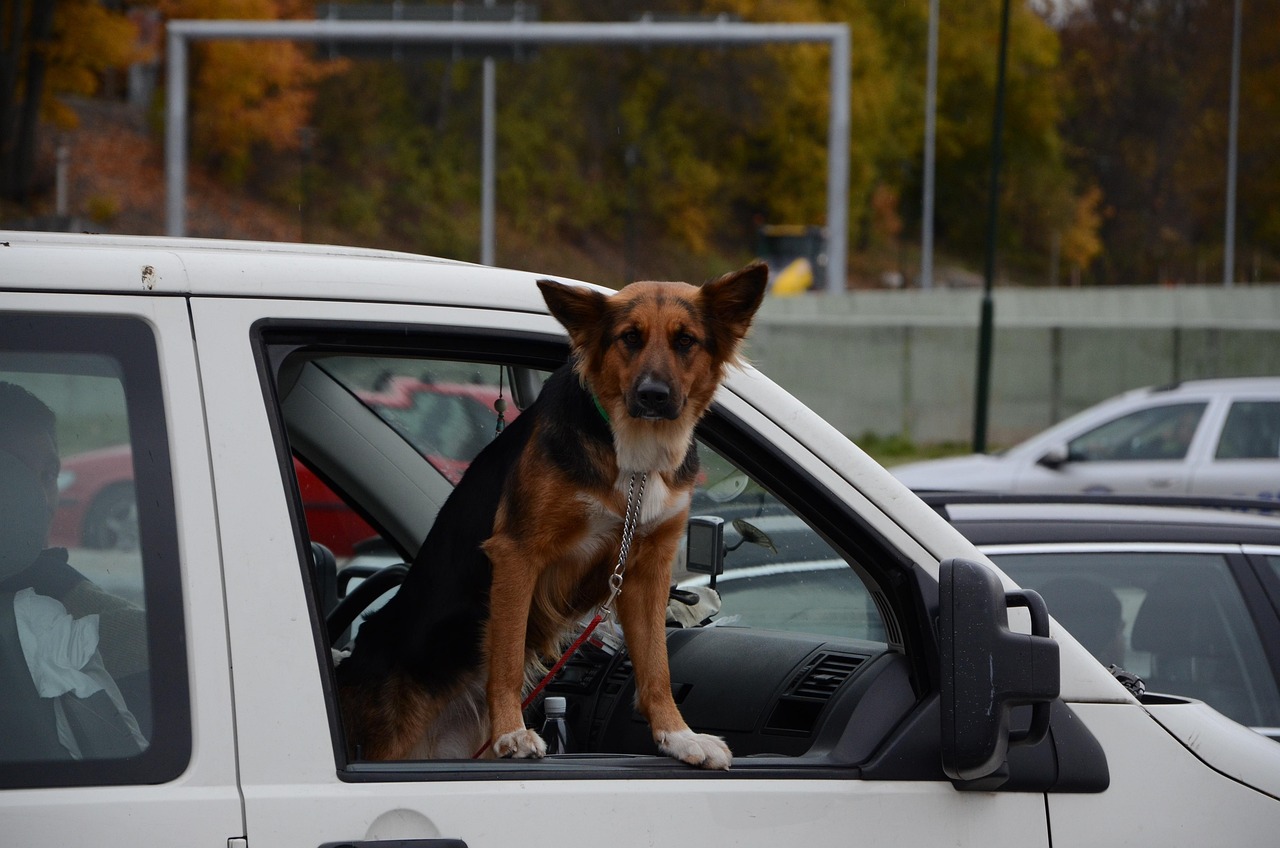

The Role of Conditioning in Reducing Dog Car Anxiety
Dogs often experience car anxiety, a common behavioral issue that manifests during travel. This anxiety can lead to stress not only for the dog but also for the owner. Understanding the underlying reasons for car anxiety can help in developing effective solutions. Dogs may associate the car with negative experiences, resulting in fear and discomfort. Conditioning is a crucial tool in changing these negative associations, as it helps to create positive experiences related to car travel. Owners can take a proactive approach by addressing this issue through gradual exposure and positive reinforcement techniques. These methods can aid in transforming the dog’s perception of car rides from stressful to enjoyable. Successful conditioning may involve short trips that end positively or using favorite toys for motivation. These practices help to build the dog’s confidence over time, allowing for an easier transition into longer trips. Recognizing the signs of car anxiety is also essential. Owners should also be aware that some dogs might experience motion sickness, complicating the situation. Understanding these factors and using conditioning can significantly enhance a dog’s travel experience.
One effective method of conditioning involves desensitizing the dog to the car environment. Start by introducing your dog to the vehicle while it’s parked. Open the doors, let them explore, and reward them for calm behavior. Positive reinforcement is key; use treats or praises when the dog remains relaxed. Gradually progress by sitting in the car with them while the engine is off. After consistent exposure to these first steps, start the engine, again rewarding calmness. Keeping sessions short is crucial to avoid overwhelming the dog. Once your dog is comfortable in this setting, attempt brief trips around the block, gradually increasing the distance. The aim is to make these rides pleasant, incorporating plenty of praise and treats throughout. Also, consider using their favorite blanket or toy to enhance their comfort. If your dog becomes anxious during these exercises, take a step back and repeat previous steps until they are ready to progress. The process may require patience and consistency, but the benefit lies in having a well-adjusted travel companion. Observing their comfort levels is necessary for successful conditioning, significantly decreasing the anxiety associated with car rides.
Understanding the Causes of Motion Sickness
Alongside anxiety, motion sickness is another common issue that affects dogs during travel. This condition can occur when the inner ear, which helps regulate balance, becomes unsettled due to the motion of the car. Younger dogs and puppies are more susceptible, as their vestibular systems may not be fully developed. Signs of motion sickness can include drooling, whining, and even vomiting. Identifying these symptoms early is crucial for addressing the issue effectively. Conditioning can also help mitigate motion sickness. Repeated short trips in the car can help dogs gradually adapt to the feeling of movement. Allowing dogs to associate the car with enjoyable experiences is essential, as this can contribute to reducing both anxiety and symptoms of motion sickness. A stable crate or secure harness may provide a comfortable space, minimizing excessive movement during travel. In certain situations, consulting a veterinarian may be beneficial, especially for dogs with severe reactions. Medication can assist in alleviating symptoms for travel if necessary. Understanding the cause of these problems will assist owners in effectively addressing them through the conditioning process, promoting a more enjoyable travel experience for both dog and owner.
Transporting dogs safely is a critical aspect of reducing car anxiety and motion sickness. Owners should prioritize using appropriate safety measures, such as seat belts designed for dogs or crates, to ensure their comfort. Crates provide a familiar and secure environment, which can significantly decrease anxious behaviors. Ensuring that the crate is well-ventilated and large enough for the dog to stand and turn around is essential. Additionally, familiar objects, like a favorite blanket or toy, can enhance their security during travel. Providing exercise prior to a car ride can also help the dog remain calm. Taking them for a walk or play session can reduce excess energy, promoting relaxation within the car. While traveling, offering water and breaks during long trips is equally important. This gives the dog time to stretch their legs and relieve themselves, aiding their overall comfort. Selecting travel routes that are less winding can also help minimize motion sickness symptoms. Ultimately, ensuring safety and comfort during travel can enhance the overall experience. Being proactive in these areas creates a foundation for successful conditioning methods to flourish, ultimately leading to increased travel comfort for dogs.
The Importance of Creating Positive Associations
Creating positive experiences is essential in conditioning to reduce car anxiety in dogs. Associating travel with enjoyable outcomes is critical in transformation. Start by understanding your dog’s triggers; do they feel anxious at the sight of the car? Knowing this helps in addressing their fears. Provide positive reinforcement whenever the dog approaches the vehicle calmly. Incorporate treats or favorite toys at every step of the process, building a sense of anticipation for a rewarding event. Dogs thrive on routine, so establishing a travel routine can ease anxiety. Before a trip, ensure your dog is excited and relaxed, providing ample praise and encouragement. Introduce car rides gradually, progressing from short to longer trips while reinforcing positive reactions with treats. Repeating pleasurable experiences can solidify positive associations. Additionally, consider using calming products such as sprays or supplements, available through your veterinarian. These may assist in reducing anxiety levels while learning. Keeping a close eye on your dog’s reactions throughout this process is essential, as every dog varies. By reinforcing positive behavior consistently, you foster a happier and more confident travel companion.
Different strategies may work effectively for different dogs, making individualized approaches important. Dogs possess distinct personalities, meaning that methods of conditioning will vary. What works for one dog may not yield the same results with another. This inconsistency emphasizes the necessity of observing and adapting training techniques based on your dog’s reactions. Some dogs may be more adventurous and easily conditioned, while others may require a more gradual method. Take note of what positively reinforces your dog’s behavior; ascertain whether they respond better to treats or praise. Documenting these responses throughout the conditioning process can provide helpful insights. Additionally, engaging the support of a professional trainer can provide new perspectives on overcoming challenges. Trainers experienced in dog behavioral problems can offer tailored techniques that align with your dog’s unique needs. Understanding the nuances of behavior issues allows owners to be proactive, adjusting their strategies as necessary. Weighing progress will help ascertain when to move forward with further conditioning or when to repeat previous steps. Developing an individualized approach ensures effective and compassionate conditioning, beneficial for any dog experiencing car anxiety or motion sickness.
The Road Ahead: Maintaining Long-term Solutions
After successfully implementing conditioning techniques, maintaining positive behavior during car rides and addressing anxiety in the long term is essential. Consistency is vital in reinforcing these newly developed behaviors. Maintain short, frequent car trips post conditioning to ensure your dog stays comfortable with travel. Regularly engage in enjoyable activities that the dog can associate with car rides. It could be as simple as visiting a park or getting treats. Keeping travel as a fun experience helps them retain a relaxed demeanor. Owners should also remain observant during each trip, noting any signs of anxiety or discomfort. If a regression occurs, consider going back to previous steps in the conditioning process. Continuous support and patience are critical components of long-term success in reducing anxiety in dogs. It may be beneficial to revisit training sessions periodically to reinforce positive behaviors. Furthermore, engaging in activities that promote bonding like interactive play can strengthen your relationship, making trips less stressful for both dog and owner. By ensuring a nurturing environment, owners lay the foundation for a more enjoyable shared experience and successful long-term travel companionship.
In summary, addressing car anxiety and motion sickness in dogs involves recognizing symptoms, understanding causes, and applying effective conditioning techniques. Owners can pave the way for transformed travel experiences by introducing gradual exposure to car rides and promoting positive associations. Safety measures play a significant role in reducing anxiety and assisting with motion sickness. Always ensure a comfortable environment and plenty of breaks during longer trips. Individualizing training strategies according to the dog’s personality is essential for achieving success. Remaining attentive to behavior offers insight into necessary adjustments in their conditioning. Engage professionals when needed, to benefit from expertise tailored to specific challenges. Keeping a nurturing attitude while reinforcing expectations aids in minimizing anxiety related to travel. As a pet owner, navigating through these behavioral issues demonstrates commitment to their well-being. Ultimately, creating enjoyable travel experiences promotes a stronger bond with your dog, leading to happier outings for both. By focusing on these crucial aspects, you can dramatically improve your dog’s travel experiences, transforming journeys from dreaded events into occasions full of excitement and joy.