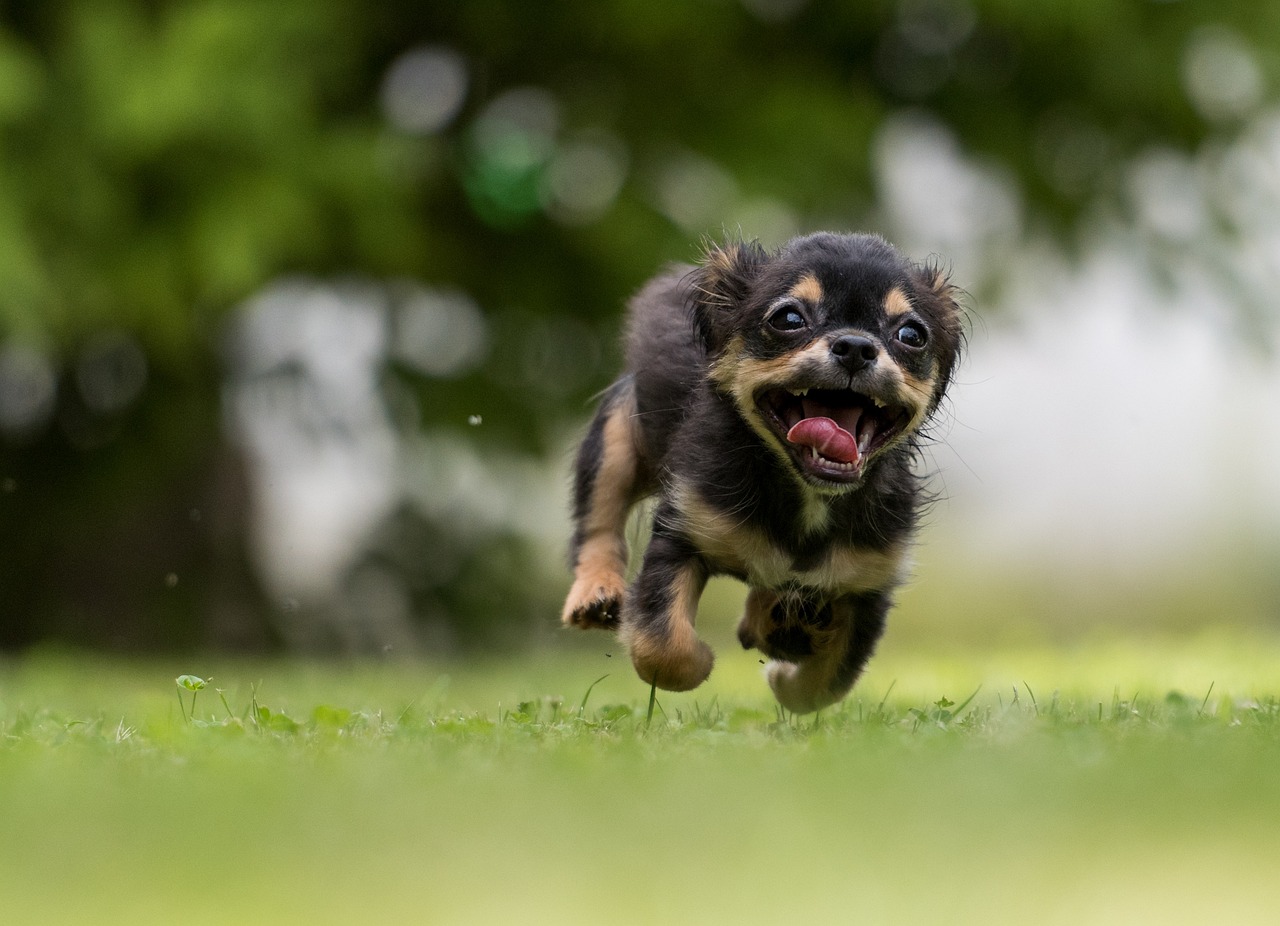

Creative Dog Photography with Different Dog Breeds and Sizes
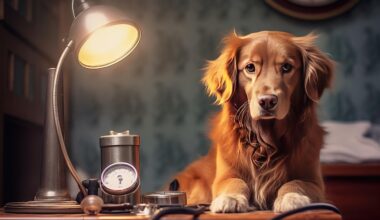
Capturing the essence of various dog breeds can be a delightful challenge. When photographing a small Chihuahua next to a large Great Dane, the emphasis changes. Use the surroundings to accentuate their sizes. For instance, try taking a wide-angle shot to help viewers appreciate the huge difference between them. Also, consider using different perspectives. A low-angle shot of a smaller dog illustrates their personality, adding energy to the scene. Incorporate props and backgrounds that reflect their unique characteristics. Finally, patience is critical when working with different breeds; let them adjust to your settings for authentic portraits that resonate.
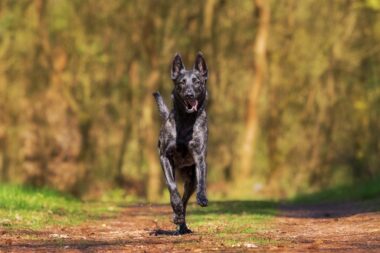
A fun approach includes integrating props specific to each dog breed. For larger breeds like Labradors, consider outdoor settings like lakes or fields, showcasing their playful nature. Small breeds, such as Dachshunds, can be featured in cozy indoor environments. Think about themes that align with each dog’s personality. Utilize bright toys, colorful backgrounds, or even costumes that reflect their traits. This adds flair, making the photograph not only unique but also entertaining. Remember to capture spontaneous moments as dogs are renowned for their playful behavior. Engaging with them using treats or toys allows for those natural expressions.
Lighting plays a crucial role in photography, particularly when showcasing diverse dog breeds and their sizes. Each breed has unique fur textures and colors that respond differently to light. For white dogs like Samoyeds, soft, diffused light enhances their fluffy coats, while darker breeds like Rottweilers benefit from stronger, directional lighting for depth. Remember to consider golden hour photography, as natural sunlight during this time adds warmth and charm. Also, utilizing indoor lighting can create mood variations that enhance each shoot’s artistic vision. Experiment with shadows to form intriguing compositions highlighting the dogs’ unique features.
Storytelling in Dog Photography
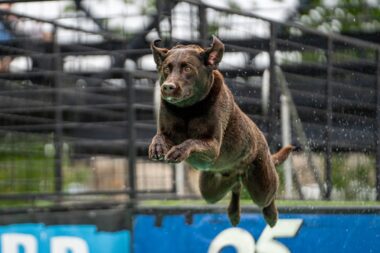
Each photograph should tell a story that resonates with viewers. With dog photography, this might involve capturing a dog’s journey or everyday life. Whether it’s a local rescue pup’s playful antics or a senior dog’s quiet moments, aim to convey emotion. A series of photographs leading up to a special event can bring the dog’s personality to life. Focus on candid moments that reflect the dog’s character, such as a Labrador leaping into a pond or a Poodle lounging in a sunny spot. Use captions to share anecdotes, presenting an inviting narrative to engage the audience.
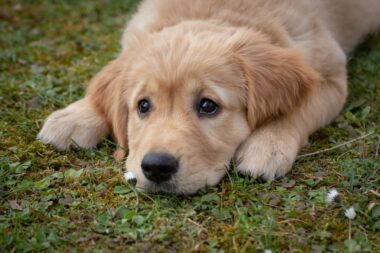
Using a variety of angles will also create dynamic images. High-angle shots can provide a sense of vulnerability, while low-angle shots produce a bold, confident portrayal. This is very effective when photographing breeds known for their unique stance, like the Boston Terrier or Greyhound. Experimenting with depth of field can also offer artistic flair; sharp focus on the dog with a blurred background directs the viewer’s attention. This approach elevates ordinary settings into visually striking compositions, creating captivating imagery. Each breed has its own traits and charm, so capturing them uniquely is key to standout photography.
When dealing with multiple dog sizes, varied focal points come into play. Center attention on your main subject while allowing the surrounding dogs to add context to the scene. Using wide aperture settings helps achieve this effect, isolating the subject beautifully. Try to arrange the dogs creatively in your frame. This not only enhances the visual interest but also contributes to a cohesive story. Take your time to build a connection with your subjects; it promotes better cooperation during the shoot. Always maintain a calm atmosphere to elicit natural and authentic behaviors.
Post-Processing Techniques
After the shoot, post-processing is essential for finalizing your images. Use editing software to enhance colors, contrasts, and sharpness, ensuring that each dog’s unique features pop. For instance, increase vibrancy to make the colors of the dogs stand out against contrasting backgrounds. Use cropping strategically to highlight your main subjects, especially in group shots. Cropping can also ensure that your composition meets the rule of thirds, which helps guide the viewer’s eye. Avoid over-editing; preserving the dog’s natural look is vital for authenticity in dog photography.
Lastly, consider sharing your work across social media platforms to connect with fellow dog enthusiasts. Engage with online communities focused on creative dog photography for inspiration, feedback, and collaboration opportunities. Photographers can often learn from one another’s techniques or creative ideas, whether it’s through Instagram or specialized forums. Building a portfolio showcasing diverse dog breeds can also attract clients looking for specific styles. Incorporate varied compositions to reflect the personality of different dog breeds in each portrait. This increases visibility and exposure across the photography landscape.