How to Create a Treasure Hunting Course in Your Backyard
Creating a treasure hunting course in your backyard can provide hours of entertainment and mental stimulation for your dogs. Begin by assessing your yard space and identifying areas that can be transformed into treasure hunting zones. Look for spots with natural barriers, like bushes and trees, which can enhance the challenge. You’ll also want to consider your dog’s abilities; if your dog is a beginner, you should choose simpler locations, while more advanced dogs can tackle complex terrains. Remember to establish safe boundaries, ensuring your dog remains within a designated area. Furthermore, gather appropriate supplies, including different treasures like toys or treats to motivate your dog. Ensure these items are durable and stimulating for your dog’s senses. Mark the boundaries and make sure to maintain a clean space throughout the digging and searching. Ultimately, allowing your dog to sniff out treasures will encourage their natural instincts for exploration and problem-solving, which are beneficial traits in their overall development. Keep the setup engaging by modifying the course over time to maintain interest and excitement.
Essential Supplies for Your Treasure Hunt
When creating a treasure hunting course, you’ll need certain essential supplies to ensure both safety and fun. Firstly, gather a variety of treasures to hide, such as small toys, delicious treats, or even durable balls. You may also want to include puzzles and interactive toys that encourage your dog to think critically. Next, have an assortment of containers or bags to hide the treasures. You could use plastic containers, cloth bags, or even old socks as hiding places. Moreover, you’ll want to ensure you have a reliable leash or harness for your dog during the initial training phase. If your dog is new to treasure hunting, you might need to guide them through the challenges at first. Additionally, using items to mark the treasure spots can be helpful; consider using chalk, flags, or simple signs. This way, you can create a structured approach for your pup. It’s also wise to have a first-aid kit ready, addressing any unexpected challenges during playtime. With the right supplies, you can create a rewarding and safe treasure hunting experience.
Establishing rules for your treasure hunting course can enhance your dog’s experience and encourage good behavior throughout the game. For example, make it clear that your dog should wait until you say “go” before starting the hunt. This builds discipline and anticipation, making the eventual find more exciting. You should also set a time limit for each hunt to keep your dog engaged while introducing some fun pressure. Implementing a reward system is essential as well; after each successful find, praise your dog enthusiastically. Whether it’s a treat, a favorite toy, or extra playtime, consistent rewards strengthen the bond between you and your dog. Additionally, allow minimal access to areas of the yard for different hunts; limiting their exploration can keep the excitement alive, where the same areas may yield different treasures over time. Lastly, ensure to supervise at all times. This allows you to guide your dog while also maintaining safety within the yard and ensuring that the experience is enjoyable. Encourage sharing with other dogs if they’re a part of the treasure hunting event. Engaging in friendly competition adds another layer of fun!
Tailoring the Course to Your Dog’s Skills
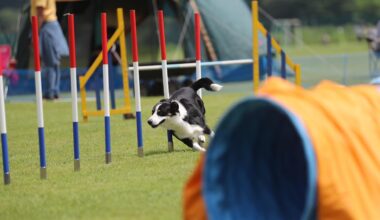
Your dog’s skill level plays a significant role in how you design their treasure hunting course. If your dog is a novice, start simple by spreading a few treasures around an easy-access area. Gradually increase the complexity by placing more hidden treasures in challenging locations as your dog becomes more confident. For more skilled dogs, you can create obstacles, requiring them to navigate through different items before finding their rewards. This enhances their problem-solving skills and keeps them mentally engaged. It’s helpful to introduce varied hunts; include scents that your dog must track to find higher-hidden treasures, which can boost their natural instincts. You might also consider including multi-step puzzles that require different skills to complete before accessing the main treasure. Convert each session into a new adventure by rotating treasure spots and hiding techniques, ensuring your dog remains engaged and excited. Additionally, reward your dog with plenty of praise and occasionally new toys, keeping them motivated to complete hunts successfully. Customizing your course ensures it remains fresh and challenging while cultivating your dog’s evolving skills over time.
To keep your treasure hunting course engaging, be creative with the themes and objectives that you use during different sessions. For instance, consider seasonal themes; in autumn, create a pumpkin hunt with treats hidden inside decorated plastic pumpkins. In summer, a beach-like treasure hunt with shells as finds become an exciting variety. You can also incorporate specific training goals, like teaching your dog to find a hidden item by scent rather than sight. Mimicking real-life scenarios can also enhance the experience for your dog. For example, create a search-and-rescue scenario, where your dogs are tasked with finding a favorite toy hidden in foliage. This not only stimulates their minds but also helps reinforce training commands and reactive behavior. Furthermore, encourage friends or family to join to facilitate social interactions. Group hunts are not only fun but also help your dog learn patience and teamwork as they navigate competing for treasure with their friends. Tweaking the course design and maintaining fun twists will keep every session unique while reinforcing essential skills effectively.
Safety Considerations During the Course
Safety is paramount when creating a treasure hunting course for your dog in the backyard. Firstly, make sure that all hidden treats or toys are safe for consumption; avoid hazards like toxic plants or choking hazards. Ensure that any items used are durable to prevent any ingestion accidents. Keep an eye on the environment; check for any sharp objects, holes, or anything else that might cause injury during the hunt. You might also want to clear the area of any harmful chemicals or substances like fertilizers or pesticides, protecting your dogs from potential harm. Additionally, monitor your dog during the hunt to prevent overexertion or exhaustion, especially on hot days. Ensure there’s a shaded area where they can take breaks, staying hydrated with water available at all times. Consider the duration of the treasure hunts too; start short and gradually increase the time as your dog builds endurance. Lastly, supervise the hunt to guide and assist as needed; some dogs may require more time or help during their first experiences, and your guidance is crucial for a safe venue.
As you develop a treasure hunting course, remember that the key to it all lies in having fun. Keep the atmosphere light-hearted, using plenty of enthusiasm when your dog finds a treasure. This not only increases their joy but also solidifies learning experiences and reinforces positive experiences. Create unique challenges by changing the layouts or introducing themes. Regularly engage with your dog, keeping their motivation up with new prizes and varying the difficulty to prevent boredom. Make sure to incorporate breaks between sessions to avoid overwhelming them. Evaluate what your dog enjoys and focus on those aspects, whether it is the thrill of search and discovery or solving puzzles. Encourage exploration, playfulness, and creativity; let your dog take the lead sometimes and enjoy their successes. Ultimately, your treasure hunting course should enable bonding moments enhanced through cooperative play. Personalize it to fit your dog’s personality and preferences while continuing to adapt as they learn. Celebrate and document progress along the way, ensuring that both you and your dog enjoy exploring together!