
Play as a Tool for Dog Training Success
Understanding your dog’s play style is crucial for effective training. Dogs, just like humans, have their unique ways of playing. Some dogs prefer to engage in tug-of-war, while others enjoy chasing balls. By recognizing these preferences, trainers can tailor their approach to align with the dog’s natural instincts. Play not only serves as exercise but also as an opportunity for bonding and learning. Incorporating play into training allows dogs to stay motivated and receptive to commands. Reward-based strategies during playtime help solidify their learning and adaptability. Observing their reactions will guide you in tweaking your training methods to better engage your furry friend. It fosters a harmonious relationship between the owner and the dog. Also, a well-played dog is often a well-behaved dog. Hence, interspersing training sessions with playtime can rejuvenate your dog’s interest and attention span, making practices less monotonous. Utilizing play offers a gentle, positive reinforcement approach that helps decrease stress during training. Overall, understanding these dynamics can transform how instructed playtime becomes integral to successful training techniques.
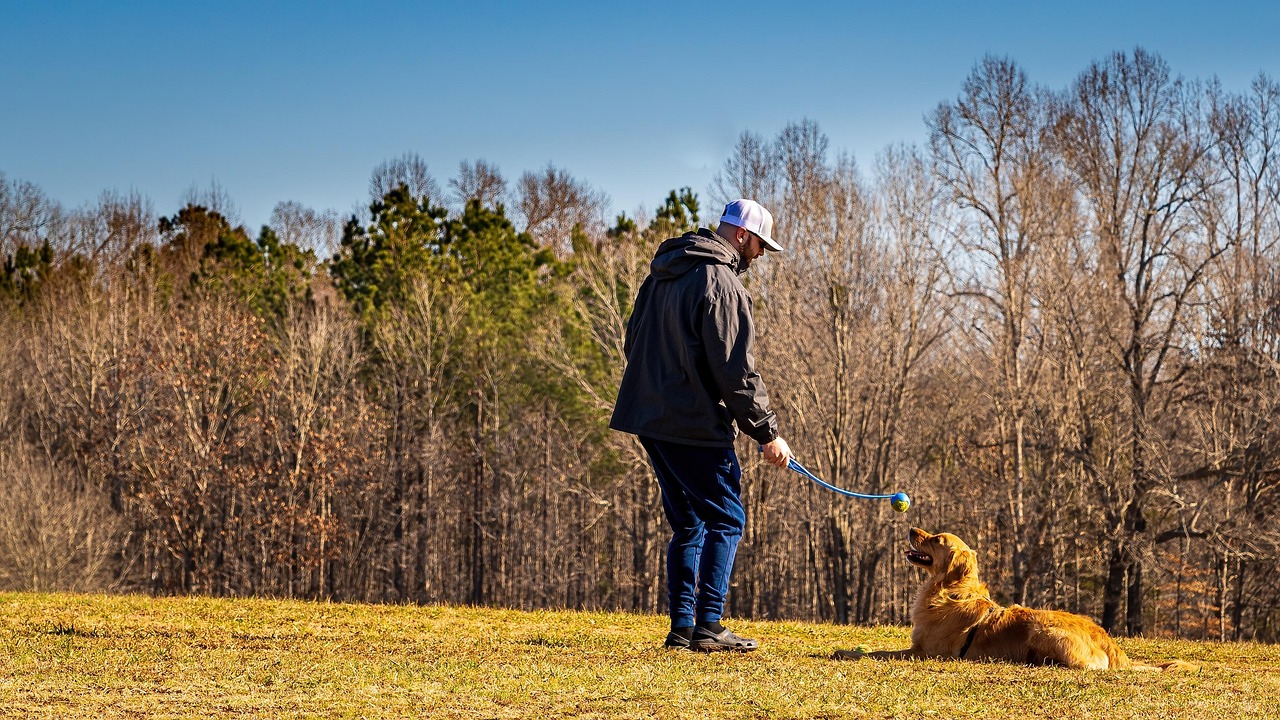
In addition to making training enjoyable, recognizing different dog play styles enhances your training effectiveness. Dogs possess various play styles, such as predatory play or social play. Predatory play mimics hunting behaviors, while social play often involves interactions with other dogs and humans. Knowing this can help you choose activities that resonate with your dog’s innate behaviors. For instance, dogs engaged in social play tend to respond well to games that involve teamwork or cooperation. Conversely, if your dog engages in predatory play, games that require chasing will be more stimulating. These insights can inform the structure of training sessions. Incorporating fragmented play like hide-and-seek or fetch utilizes different styles, keeping your dog engaged. Moreover, consistent engagement with their preferred play methods can help reinforce learning. Remember to choose safe play areas, like fenced yards or dog parks. Interactions during play should also be monitored to ensure positive experiences. By doing so, you can avoid any negative encounters with other dogs. Playful sessions become rewarding, weaving together learning and play, thus bolstering both the connection with your dog and the training’s effectiveness.
Benefits of Incorporating Play in Training
The integration of play during dog training offers numerous benefits. Firstly, play acts as a motivational tool, encouraging dogs to participate actively in training sessions. When dogs perceive training as fun, they exhibit better focus and willingness to learn. It can significantly reduce anxiety levels as well, leading to a more relaxed environment. Secondly, the social aspect of play enhances confidence, particularly in shy or anxious dogs. Through enjoyable interactions, dogs are more likely to engage positively with their trainers. Additionally, play encourages spontaneous behavior, allowing trainers to observe and appreciate unique traits. These traits, in turn, can guide future training directions, honing in on specific interests or behaviors. Moreover, play can strengthen the bond between dog and trainer, fostering trust. When dogs associate their trainer with joy and positivity, it enhances compliance during training sessions. This relationship ultimately leads to more successful outcomes. Understanding this dynamic underscores the necessity of merging training with recreational activities. As you creatively integrate both, you will not only witness improved behavior but also a more robust connection with your beloved pet. This method contributes significantly to your dog’s overall wellness.
Another aspect to consider when integrating play into dog training is timing and environment. Selecting the right time to play is essential for maximizing positive outcomes. Play should ideally occur after focused training sessions. This normalizes training as a rewarding experience, making dogs more enthusiastic about learning. Always ensure the environment is free from distractions as well, creating optimal conditions for engagement. Quiet, familiar settings will yield the best results during educational phases. Furthermore, introducing novel play items adds variety and excitement into the training routine. Interactive toys, agility equipment, or even simple homemade items can stimulate your dog’s interest. This variety can extend the duration of their engagement as well. Use game variations to challenge their minds and sustain attention, keeping repetitive boredom at bay. Rotation of available toys will maintain their enthusiasm, promoting a continual learning phase. Consequently, both owner and dog benefit from such enriching experiences. Also, the incorporation of elements like social play, such as group intervals, can enhance the appeal. Ultimately, recognizing and utilizing these components ensures a seamless blend of enjoyment and education during training sessions.
Understanding Your Dog’s Feedback
Recognizing your dog’s feedback during play is vital for honing your training approach. Dogs communicate their feelings through body language and vocalizations. Observing their reactions can reveal a lot about whether they are enjoying the experience or feeling overwhelmed. For example, a wagging tail usually indicates excitement, but if the tail is low, it might suggest discomfort. Additionally, vocal cues such as barking can indicate eagerness or stress, depending on the context. Understanding these signals enables you to adjust the play style or intensity accordingly. If your dog appears less engaged, consider switching activities or even allowing them a break to recharge. Regularly checking in with your dog will also foster a positive training atmosphere. Taking note of their preferences when choosing activities can further deepens your relationship. A variation of rewards and recognition, coupled with play, reinforces these feedback loops. Essentially, this dynamic fosters an adaptable training methodology, allowing you to create tailored experiences that directly align with your dog’s needs. Consequently, this leads to enhanced learning and behavior correction during training sessions.
As trainers and owners alike invest time in understanding these dynamics, the agility of learning grows. Play informs their learning process, as it allows for a more hands-on approach to obedience skills. Simple commands can be transformed into enjoyable games, such as retrieving specific items or jumping over obstacles. Such variations serve to reinforce learning without the traditional confines of a training session. Moreover, they enhance physical exercise, contributing to a balanced lifestyle, thus reducing potential behavioral issues stemming from pent-up energy. The more diverse the training sessions become, the more confident your dog will feel in obeying commands. Additionally, consistency plays a significant role; regular play structures affirm what they learn, amplifying their sense of achievement. Building specific skills through play engages their natural instincts, ensuring both enjoyment and practical behavior development. The balance between fun and learning cannot be overstated; this equilibrium is the key to successful training outcomes. Continuous experimentation with both play and commands will lead to shared satisfaction for both the owner and the pet. This playful atmosphere fosters a nurturing environment ideal for lifelong learning.
Conclusion
In conclusion, play serves as an invaluable tool for effective dog training. By recognizing and respecting your dog’s play style, training sessions become more productive and enjoyable. The interplay between fun and education fosters a richer bond between owner and dog. Additionally, the lessons learned during play permeate other areas of their development and behavior. Engaging activities not only enhance physical fitness but also stimulate mental acuity, forming well-rounded canine companions. Furthermore, the essential feedback loop enables trainers to customize their methods for improved outcomes continuously. The potential for behavioral issues diminishes with regular, enjoyable training play, thus benefiting the overall relationship. As dog owners, embracing the multifaceted nature of learning through play should become a priority in daily training routines. Experimenting with different activities will yield opportunities to explore your dog’s interests, ensuring their training remains engaging. Ultimately, the goal extends beyond mere obedience; it aims to empower dogs to express their personality while providing educational fulfillment. With play as the cornerstone of your training approach, expect sustained growth in both skills and relationships for you and your canine friend.