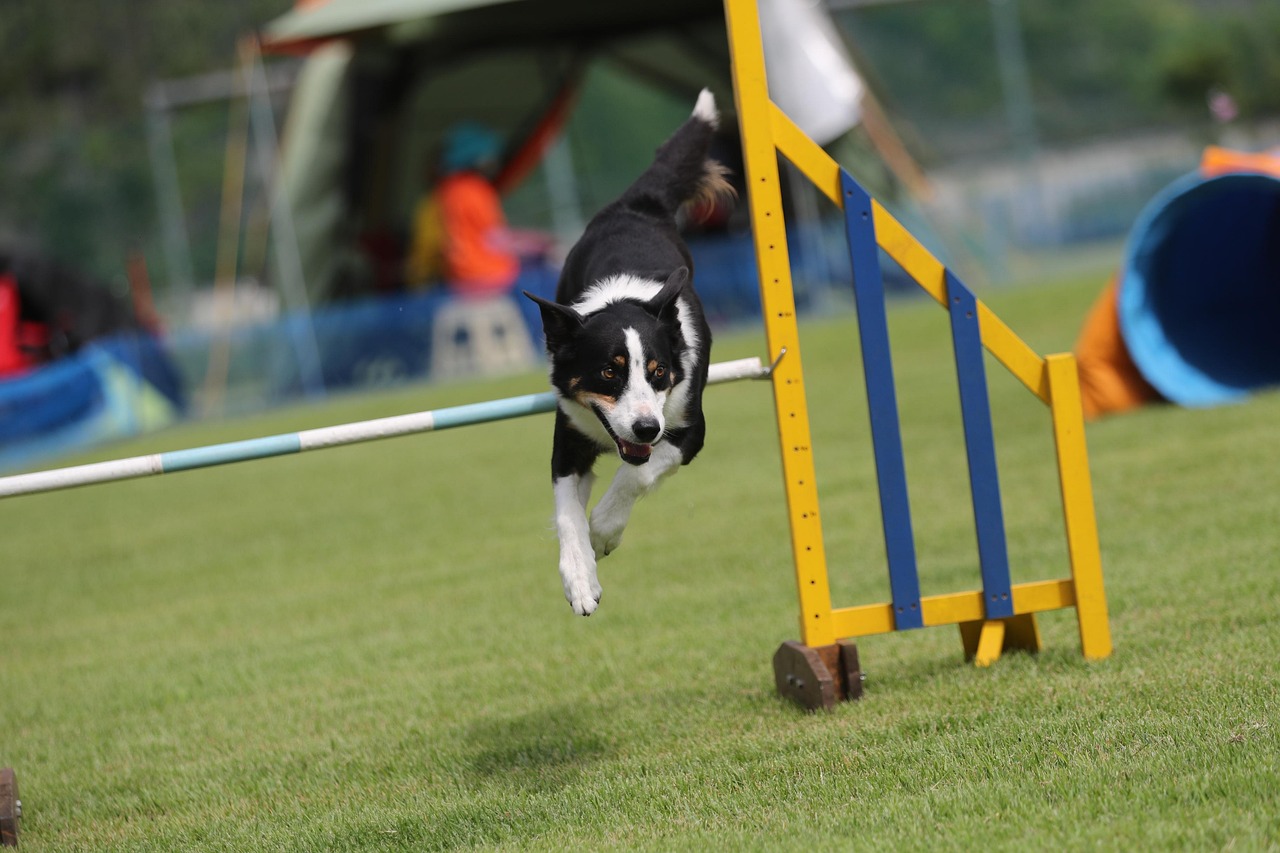

Using Treats and Rewards to Motivate Your Dog in Agility Training
Agility training is a fantastic way to engage your dog both mentally and physically. One of the most effective methods for motivating your dog during this training is through the use of treats and rewards. Dogs respond well to positive reinforcement, which helps them associate commands and actions with satisfying outcomes. When starting, select small, easily consumable treats that your dog loves. This way, they will remain engaged and eager for the next reward. Ensure the treat is special, perhaps something they don’t get often, making agility training more fun. Timing is crucial; deliver the treat immediately after your dog performs the desired behavior to reinforce the learning process. Additionally, vary the rewards to maintain interest. Incorporate toys or praise along with treats. Mixing things up will keep your dog guessing and excited for the next run. Remember to gradually reduce treat frequency as your dog masters the skills, transitioning to verbal praise. This empowers your dog, encouraging independence. Overall, the combination of treats and rewards fosters a positive environment for agility training, leading to a strong bond and a successful partnership in the ring.
The Role of Treats in Agility Training
Treats play an essential role in guiding dogs through agility training. By offering incentives, you can enhance your dog’s enthusiasm and willingness to participate. To effectively use treats, begin by establishing a consistent training routine. Start each session by measuring the dog’s energy levels; a well-exercised dog will be more receptive to learning. Be patient and let them adapt to the new environment. Keep treats ready in your training pouch for quick access. Show your dog the treat to capture their attention, then guide them through the obstacle course. Make sure to reward them promptly after each successfully completed task, ensuring they understand what behavior is being reinforced. Additionally, use varying treat types and textures to sustain interest and motivation. Some dogs may respond better to crunchy treats, while others might prefer softer options. Always keep your dog’s health in mind; avoid overindulgence. Utilize lower-calorie treats during training to maintain a healthy balance. Once your dog begins to understand commands consistently, slowly transition from treats to verbal praises and affection. This helps to solidify the learned behaviors while promoting your bond.
Another important factor in agility training is the balance of challenge and success. It’s vital to design training sessions that allow your dog to succeed, which in turn reinforces the behavior. Incorporate shorter but more frequent training sessions rather than long ones to maximize focus and energy. Gradually increase the complexity of the obstacles but always match them to your dog’s skill level. An overwhelmed dog may become disinterested or frustrated, countering your efforts of motivation. Remember always to take note of your dog’s body language; tail wagging and play bows are signs of enthusiasm. If they are hesitant or disengaged, lower the challenge and celebrate small victories instead. Reward your dog swiftly for completing even simple tasks correctly. Doing so builds their confidence and encourages them to try more difficult challenges. You can begin to weave in specific agility commands as they gain confidence. This gradual progression allows your dog to develop skills at their own pace while nurturing their motivation. Keeping them excited about the learning process will ensure long-term engagement in agility training and strengthen the bond between handler and canine.
Adapting Treat Strategies
As you progress through agility training, it’s important to continuously adapt your reward strategies. Dogs can become bored or complacent if treats remain constant. Periodically switch the treats or adjust their size depending on the task and challenge level. For instance, use larger treats for more complex exercises and smaller bites for simpler tasks. Consider introducing high-value rewards when working on challenging aspects. For example, if your dog struggles at a specific jump, use a more enticing treat to keep them motivated. Incorporating play as a reward is particularly effective. If your dog enjoys playing with a favorite toy, consider alternating between treats and toy play as rewards. Offer a quick round of fetch after completing a series of jumps or tunnels. This adds variety and excitement, improving your dog’s motivation. Always ensure that treats remain a small part of their overall diet. Monitor their weight to avoid health issues while keeping agility fun. This adaptability creates a stimulating training atmosphere, alleviating the monotony that can arise. Your dog’s enthusiasm during agility sessions reflects their relationship with you, which is bolstered by the thoughtful application of treats.
While treats and rewards are key components of dog training, ensuring your dog’s safety and comfort is of utmost importance during agility training. Check the training environment for potential hazards. Ensure that all agility equipment is safe and properly set up. Avoid overly slippery surfaces or distractions that could shake your dog’s focus. Always introduce equipment at the dog’s pace to prevent unnecessary stress or anxiety, which can detract from their motivation. Observe your dog for signs of fatigue or overexertion. Providing regular breaks allows them to recuperate and prevents burnout. Reinforce positive behavior after breaks to keep them motivated and excited about the session. Additionally, engage in light play during these breaks to sustain their energy and joy. Creating a positive association with agility training is crucial; your dog should view the experience as enjoyable rather than merely a chore. The agility training journey is as important as the destination. Celebrate progress, no matter how small. Acknowledge your dog’s hard work through enthusiastic praise. Such encouragement fosters happiness and a positive outlook on training, leading to improved performance and further bonding.
Gradual Steps to Independence
As your dog begins to master agility tasks, it’s essential to gradually introduce independence. Strive to reduce the reliance on treats as they become more skilled. Continue to use treats, but scale back the frequency and size during training sessions. Start to replace treats with praise or cuddles, reinforcing that they can still receive approval without immediate food rewards. This process can also involve introducing longer gaps between rewards; instead of rewarding after every obstacle, the dog may receive a treat after completing an entire course. This shift encourages them to focus more on the tasks than solely on the treats. Maintain consistency during this transition phase. Consistently reward good behavior while keeping enthusiasm high. Variation is key in ensuring your dog remains motivated and engaged. Encourage them to try new obstacles without treats, fostering confidence and independence. Share your excitement through your voice and body language. The ultimate goal is to have your dog look to you for guidance and approval rather than food alone. A solid foundation of trust develops this independence, leading to smooth agility runs and deeper connection in the ring.
In conclusion, using treats and rewards effectively is pivotal in motivating your dog throughout agility training. Including an effective reward system nurtures a strong relationship between you and your canine companion. Through careful selection of treats, proper timing, and varying incentives, you can keep your dog engaged and responsive during training sessions. Focus on preserving a balance between challenge and skill development, which allows for gradual improvement in your dog’s abilities. Ensuring their safety and comfort during training creates a positive experience overall, enhancing motivation and performance. Strive to adapt your reward strategies as needed to maintain your dog’s interest, and foster independence, leading to greater enjoyment of agility training. Celebrate every achievement, regardless of size. Your enthusiasm contributes significantly to your dog’s motivation while building the bond you share. With consistency and love, your dog will thrive in agility training, bringing joy to both you and your furry friend. Remember, successful agility training is a journey, not merely a destination; enjoy the many moments along the way that strengthen your relationship and achieve remarkable accomplishments together.