
A Comprehensive Guide to Dog Clippers and Trimmers
Dog grooming is essential for maintaining your pet’s overall health and appearance. One of the critical aspects of grooming is using the right tools and equipment, specifically dog clippers and trimmers. There are several types available on the market, each designed to cater to different grooming needs. Quality dog clippers can make a significant difference in the grooming experience for both the groomer and the pet. When choosing clippers, consider factors like the motor type, blade quality, and ergonomics. A powerful motor can help cut through thick fur efficiently, reducing the time needed for grooming. Blade options come in various materials, such as stainless steel and ceramic, affecting durability and cutting ability. The ergonomics of the clipper are also crucial, as they influence comfort during grooming sessions. Owners can choose from corded and cordless options based on convenience. Learning about different features will help you select the best clippers for your dog’s coat type and grooming needs. Investing in high-quality tools will lead to a more enjoyable grooming experience for everyone involved.
Preparation is key when using dog clippers or trimmers. Before starting, ensure that your dog is comfortable with the grooming process. Familiarize your pet with the sound and feel of the clippers by introducing them gradually. Start with a low-speed setting to help ease anxiety, allowing your dog to adjust to the sensation of the clippers. Additionally, consider investing in grooming tools like brushes or combs to detangle and remove mats before clipping. The process minimizes discomfort and improves cutting accuracy, ensuring a smoother grooming experience. Moreover, prepare your grooming area by providing a non-slippery surface, which can help prevent accidents during grooming. Keeping your dog calm and relaxed is essential, so using treats or calming music can be beneficial. Make sure you have all your required tools easily accessible, reducing the chances of distractions while you groom your pet. Lastly, remember to familiarize yourself with the different attachments and settings for valuable customization according to your dog’s coat. Doing so will result in an excellent grooming job that keeps your furry friend looking and feeling great!
Types of Dog Clippers and Trimmers
When shopping for dog clippers and trimmers, choosing the right type is essential for effective grooming. There are various options available in the market, including rotary, pivot, and linear clippers. Rotary clippers offer a powerful motor and variable speed, making them suitable for grooming both small and large dogs with thick coats. Pivot clippers, on the other hand, have a quieter operation and are best for sensitive pets. They work well on dogs with moderate grooming needs. Linear clippers are lightweight and often designed for small pet grooming or touch-ups. Each type has its unique advantages, so consider your dog’s size, coat type, and grooming needs when selecting a clipper. Furthermore, trimmers are excellent for finishing touches, around delicate areas like the paws and face. They usually have a slim design and can reach tight spots effortlessly. Understanding the differences between these grooming tools will help you effectively find the right tool, making your dog grooming experience efficient and enjoyable.
Blade options for dog clippers and trimmers are another essential factor to consider. Blades come in different sizes and materials, impacting the ease of grooming and cutting performance. Stainless steel blades are durable and resistant to rust, while ceramic blades maintain a cooler temperature during use, preventing discomfort for your pet. Size matters, too; smaller blades are ideal for delicate areas, while larger ones excel in buzzing through thick fur. It is crucial to have a variety of blades available for different grooming tasks. Understanding the importance of blade maintenance is vital to keep them in optimal condition. Regular cleaning and oiling of the blades are recommended to prevent rust and maintain efficiency. Incorrect blade maintenance can lead to a decrease in cutting performance, causing discomfort or skin irritation for your dog. Moreover, consider having a backup set of blades to swap out while grooming, ensuring your tasks proceed smoothly. Selecting the right blade type is critical to achieving professional-looking grooming results while maintaining comfort for your furry companion.
Maintaining Your Dog Clippers
Proper maintenance of your dog clippers and trimmers is essential for longevity and optimal performance. Regular cleaning after each use helps prevent hair build-up and keeps the blades sharp. Be sure to detach the blades and use a brush to remove any fur particles trapped between them. Additionally, apply clipper oil on the blades after cleaning to ensure a smooth cutting experience. This helps reduce friction, prolonging both the blade and clipper’s lifespan. It’s also beneficial to inspect the power cord for signs of wear and tear regularly; replacing damaged cords can prevent potential hazards during grooming. Routine inspections can catch issues before they lead to bigger problems. Furthermore, it is vital to store your clippers in a dry, cool place, away from moisture that could lead to rust or deterioration. Investing time into maintaining your clippers will not only save you money in the long run but will also help you achieve better grooming results. Finally, refer to the manufacturer’s instructions for any specific cleaning or maintenance guidelines for your individual clipper model.
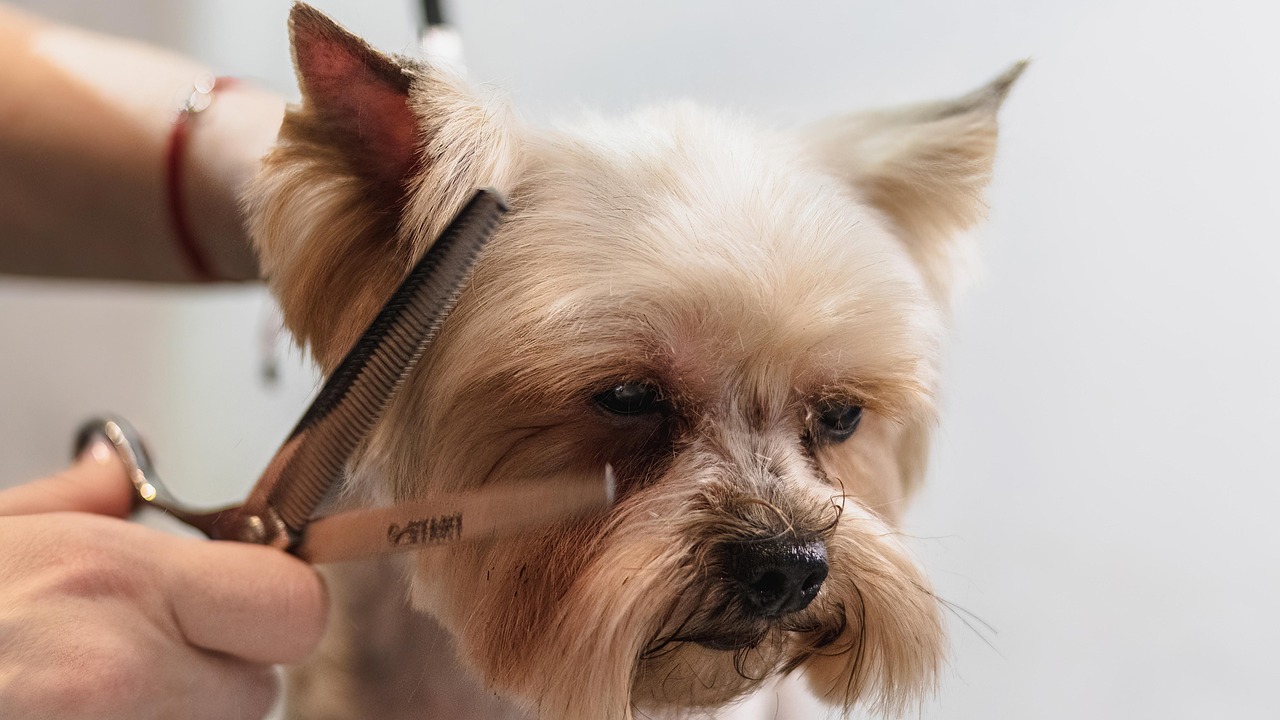
When it comes to using dog clippers and trimmers, mastering the technique is crucial for beautiful results. Begin by ensuring your dog is in a comfortable position and secure, reducing the chances of sudden movements. Start clipping gently, working with the natural grain of the coat to ensure an even cut. It is essential to avoid applying too much pressure, as this can cause discomfort to your pet. Adjust the speed of your clippers based on the coat type; thick coats may require a higher speed, while sensitive areas may need a slower approach. Additionally, take breaks as needed to keep your dog relaxed and minimize stress during the grooming process. As you build your skills, experimenting with different techniques can enhance your grooming efficiency. Watch tutorials or attend workshops to learn about advanced clipping styles. Consistent practice will develop your skills and promote a better grooming experience for your furry friend. Patience is key as you practice, as mastering the technique will improve both your confidence and your dog’s comfort during grooming sessions.
Conclusion on Dog Clippers and Trimmers
Investing in the right dog clippers and trimmers is essential for successful grooming. A beautiful coat not only enhances your dog’s appearance but also contributes to their overall health and happiness. By understanding the different types of clippers available, you’ll be better prepared to make informed choices that suit your dog’s grooming requirements. Remember to prioritize comfort for your dog throughout the grooming experience by adopting techniques that reduce stress and promote calmness. Additionally, make sure to maintain your clippers well, ensuring longevity and optimal performance. Keeping your tools clean and sharp will guarantee the best results in your grooming efforts. You can also foster a bond with your canine companion through grooming sessions, providing them with affection and care. Finally, as you work on mastering your clipping technique, aim for improvement while remaining patient. Continuous learning and practice will enhance the grooming experience and expand your capabilities. Embrace the journey of dog grooming, knowing that with the right tools and mindset, the results will delight both you and your pet.