
How Regular Baths Help in the Fight Against Fleas and Ticks
Maintaining your dog’s hygiene is a crucial part of their health, especially when it comes to battling fleas and ticks. Regular baths not only keep your dog smelling fresh, but they also play an essential role in preventing infestations. When you bathe your dog, the soap can help dislodge insects that are hiding within their fur. It’s also important to choose the right shampoo, preferably one that contains natural ingredients known for repellant properties. This will provide added protection, ensuring that fleas and ticks are kept at bay. Additionally, the act of bathing allows you to check for any signs of flea or tick activity, especially in less visible areas like the armpits and under the tail. By catching these pests early, you can prevent a minor infestation from escalating into a major problem. For the best results, incorporate regular bathing into your pet care routine, scheduling approximately once every four to six weeks, depending on your dog’s activity level. Always consult with a veterinarian on the appropriate shampoo or treatment for your dog’s specific needs.
Moreover, while bathing is vital, it should not be the sole method of flea and tick prevention. Supplement your dog’s bathing routine with other preventive measures. This includes using flea and tick preventive treatments recommended by your veterinarian. These come in various forms, such as topical treatments, collars, and oral medications. Combining these preventative measures with regular baths creates a multi-faceted approach to keeping your dog free from pests. Nutrition plays a significant role in maintaining healthy skin and fur, which creates a less favorable environment for fleas and ticks. High-quality dog food rich in omega fatty acids helps promote a shiny, healthy coat, offering natural resistance. After bathing, ensure your dog is thoroughly dried, as moisture can attract unwanted pests returning to groom or lay eggs on your pet. Creating a clean living environment is equally important; regularly vacuum and wash your dog’s bedding to help eliminate flea eggs and larvae. Consistent and thorough cleaning, combined with your dog’s bathing schedule, can significantly reduce the likelihood of infestations.
Understanding the life cycle of fleas and ticks is also vital for prevention. Fleas can develop from eggs to adults in as little as a few weeks, while ticks require specific conditions to thrive. Bathe your pet regularly to disrupt this life cycle, ultimately minimizing the chances of a flea or tick invasion. After a bath, thoroughly inspect your dog’s coat for any remaining pests. This inspection helps ensure that you catch any that may have escaped the washing process. If you discover fleas or ticks during your investigation, consult your veterinarian for the most effective removal methods. Remember, regular grooming is an excellent complement to bathing, as it helps remove debris and inspect for any skin issues that could be exacerbated by pests. Make it a habit to brush your dog’s coat in between baths to maintain cleanliness and check for unwanted guests. With vigilance in grooming, bathing, and inspection, you can significantly enhance your dog’s well-being and reduce their susceptibility to pests all year round.
The Importance of Quality Time During Bathing
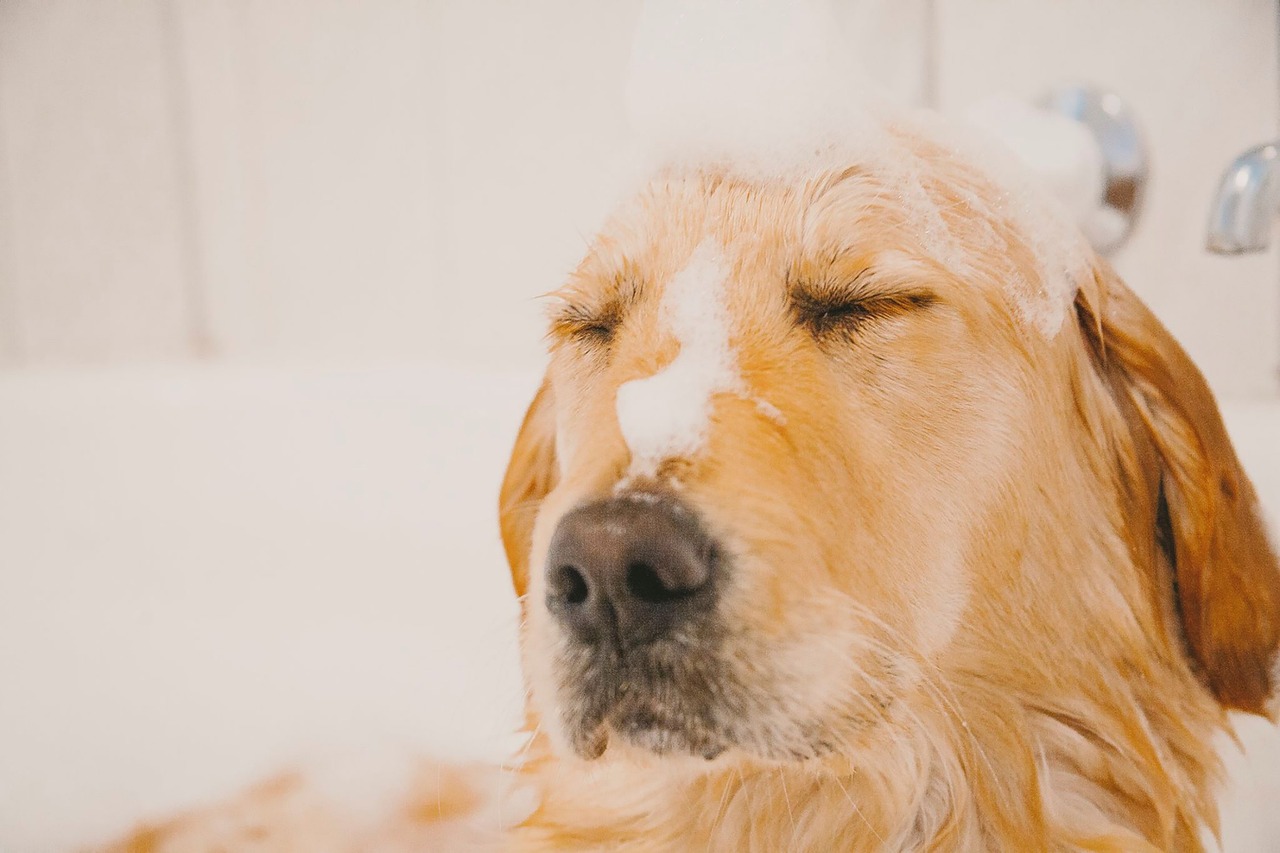
Bathing presents an excellent opportunity for bonding between you and your dog. Taking the time to wash your pet allows for gentle handling, creating a comforting atmosphere conducive to trust building. It’s essential to ensure that your dog feels safe and happy during bath time. Use this time to speak soothingly and stroke its fur gently. Such positive reinforcement encourages compliance and reduces anxiety during baths. For dogs that dislike water, consider offering treats or toys as distractions and rewards. These added incentives will make bath time a more enjoyable experience for both of you. After the bath, make sure to shower them with affection, reinforcing the idea that bathing is a positive experience. Regular bonding sessions can further solidify your relationship, making handling your dog easier during veterinary visits. In addition, the health benefits from frequent bathing can become a refreshing routine that both you and your dog can look forward to. By investing this time, you not only contribute to their health but also enhance your connection.
Paying attention to specific dog breeds is also important in developing an effective bathing routine. Different breeds have varying coat types and skin sensitivities, which can affect how often they should be bathed. For example, long-haired breeds may require more frequent grooming and occasional baths to prevent matting, while short-haired breeds are likely fine with less frequent cleansing. Always choose a shampoo that aligns with your dog’s breed-specific needs. If in doubt, consult a veterinarian for personalized recommendations. By understanding your dog’s unique requirements, you can tailor their bathing schedule and products, maximizing the benefits associated with regular cleanliness. Additionally, including rewards or treats can promote positive associations with bathing, ensuring that your pet cooperates. It’s all about finding the right balance that supports both their health and hygiene needs. Incorporating these adjustments into your pet care routine can dramatically improve your experience and your dog’s overall comfort during bath time. Always keep in mind your dog’s comfort and well-being during this grooming activity.
Incorporating bathing into your dog’s monthly routine not only provides physical benefits but also has psychological effects. Dogs thrive on routine, and establishing a regular bath schedule helps them understand what to expect. This predictability can reduce anxiety, especially if your dog is prone to stress during grooming. By fostering a sense of security, bath time can transform from a chore into an enjoyable bonding experience. It’s also a great opportunity to reinforce training commands such as ‘stay’ or ‘sit,’ promoting good behavior during the process. Engage with your dog during bathing through gentle verbal praises. This positive reinforcement can minimize any negative feelings towards bath time. Offer plenty of cuddles and praise right after the bath, solidifying the idea that this experience is beneficial. Remember to reward them post-bath with their favorite toy or treat, creating positive associations. Over time, having a structured bathing routine can encourage a calmer and more obedient pet during veterinary visits or other grooming situations, simplifying care in other areas.
Addressing the Aftermath
Once bathing is complete, it is crucial to follow specific aftercare tips to maximize its effectiveness against fleas and ticks. Ensuring your dog is entirely dried before allowing them to roam outside is essential. Damp coats can attract pests and create the perfect environment for fleas to thrive. Similarly, be mindful of how outdoor exposure is managed after a bath, as many dogs can easily pick up ticks or fleas. Consider scheduling baths in conjunction with outdoor activities to prevent any chances of re-infestation. After bathing, regularly inspect your dog’s fur, looking for any lingering pests. This routine will help increase your chances of being proactive and addressing a possible infestation before it escalates. Additionally, consider creating a designated grooming area in your home where you can keep your dog’s brushes, shampoos, and treatments organized and easily accessible. This dedicated spot allows for smoother bath times and makes it easier to maintain a consistent grooming routine. Ultimately, the success of bathing as a flea and tick deterrent is greatly influenced by committed follow-up care.
Lastly, remember that consistency is the key to battling fleas and ticks effectively. Regular baths should become an integral part of your dog care regimen, complemented by other preventive measures. Routine bathing serves an important role in keeping your pet clean, healthy, and free of pests. Establishing predictable patterns not only benefits your dog’s health but also enhances your bond together during these sessions. Regular preventive treatments, healthy diets, and a clean living environment are vital components of this multifaceted approach. Communicate with your veterinarian to stay updated on new treatments and techniques that can aid in the fight against pesky fleas and ticks effectively. Keeping informed ensures the health and well-being of your furry friend over time. Take away the anxiety associated with pest control and make it a positive, integral part of daily care. By committing to this comprehensive strategy, you set the stage for a happy, healthy life for your dog, minimizing the likelihood of any infestations.