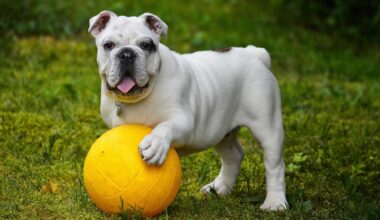
How to Handle Drooling Puppies: Behavior and Care Tips
Puppies often drool excessively, leading many owners to worry about this common behavior. Understanding the reasons behind excessive drooling can greatly help in managing it effectively. First and foremost, determine if the drooling is due to natural causes or if it signifies an underlying issue. In many cases, excessive drooling is simply a sign that your puppy is teething. Puppies lose their baby teeth, allowing their adult teeth to emerge. During this period, they may experience discomfort, and drooling may increase noticeably. Another common reason might be related to excitement or anxiety. Some puppies drool more when they’re excited or stressed. Observing your dog’s triggers is crucial for effectively addressing the issue. Lastly, be on the lookout for signs of illness. If the drooling appears sudden or is accompanied by other symptoms like vomiting or lethargy, consult a veterinarian immediately to rule out any medical concerns. Keeping your puppy calm and comfortable can significantly decrease instances of stress-induced drooling as well, promoting a happier, healthier pet.
Examining your puppy’s diet can also play a significant role in managing excessive drooling. Certain food types or treats may cause an unexpected reaction, leading to increased saliva production. When introducing new foods to your puppy’s diet, it’s essential to do it gradually and observe any changes in behavior or drooling patterns. Some puppies may be sensitive to specific ingredients, such as beef or chicken, which could result in drooling. Alternative diets or hypoallergenic options may be a smart route to explore if you suspect food is a culprit. Additionally, consider the puppy’s oral hygiene. Dental health is crucial for preventing excessive drooling. Uneaten food particles can cause an overproduction of saliva, so establish a proper cleaning routine that includes regular tooth brushing. This will not only help to manage drooling but also promote overall oral health. Regular veterinary check-ups can also ensure your puppy’s teeth and gums remain in good condition. Ignoring dental issues can lead to other health problems, exacerbating the drooling issue. Taking proactive measures can create a stable foundation for a healthy, happy dog.
Identifying Stress Triggers
Paying close attention to your puppy’s environment can help you identify stress triggers that may lead to excessive drooling. Changes in surroundings, like the arrival of new pets, unfamiliar people, or alterations to the home, can initiate fears or insecurities in your puppy. Recognizing and addressing these factors early on will help alleviate stress levels. Creating a safe and secure environment is essential for your puppy’s well-being. Apart from external triggers, internal stressors could also be at play, such as feelings of separation anxiety when left alone. If your puppy shows signs of distress, such as barking or pacing, consider gradual desensitization techniques to ease anxiety when separated. Offering comfort items, such as toys or blankets, may also help in these situations. Establishing a comforting routine is integral to helping your puppy adapt to changes and feel secure in their environment. Soon, you’ll notice a significant decrease in drooling instances tied to stress. It’s essential to remember that patience and understanding are vital to successfully managing your dog’s behavior, leading to a more harmonious living situation.
Regular exercise is a crucial factor in addressing excessive drooling among puppies. A well-exercised puppy is generally healthier and happier, and they tend to exhibit lower levels of anxiety. Daily walks or playtime sessions help drain your puppy’s energy, allowing them to remain calm and composed at home. Interaction with other dogs can also be beneficial, as socialization plays a significant role in reducing stress. However, make sure to monitor your puppy during these interactions, as some dogs may experience heightened excitement, resulting in increased drooling. Alongside physical activity, you should also incorporate mental exercises, like puzzle toys or training sessions, to engage your puppy’s mind. This can further help in reducing overall stress levels, leading to a decrease in drooling occurrences. Finding the right balance of physical and mental stimulation tailored to your puppy’s needs will promote a well-rounded dog. Not only that, but it will also strengthen your bond, creating an enriching environment that fosters positive behaviors. A dedicated approach to exercise can lead to reduced unnecessary drooling, benefiting both you and your puppy.
Understanding Health Problems
Understanding potential health problems associated with excessive drooling is essential for pet owners. Several underlying conditions can cause your puppy to drool more than normal. For instance, oral issues such as gum disease or oral tumors can lead to heightened saliva production. If you suspect something is wrong, don’t hesitate to consult your veterinarian for a thorough examination. Additionally, nausea caused by certain medications or infections can also trigger excessive drooling. Keeping track of your puppy’s health and behavior can provide invaluable information to your veterinarian, aiding in efficient diagnosis and treatment options. Furthermore, conditions like rabies or poisoning could lead to excessive drooling as a symptom, requiring immediate veterinary attention. Timely intervention is crucial for your puppy’s well-being. Keeping a close eye on your puppy’s overall health status will aid in quickly identifying any sudden changes that may necessitate veterinary care. Being proactive in seeking medical advice ensures your puppy receives the best care available and prevents unnecessary suffering. Ultimately, a healthy puppy is a drooling puppy, creating a positive experience for you.
Behavioral modifications can play a vital role in managing excessive drooling caused by anxiety or excitement. By implementing techniques aimed at changing your puppy’s response to triggers, you can reduce drooling caused by stress. Positive reinforcement training is a great way to encourage calm behavior and minimize anxious reactions. For example, reward your puppy with treats and praise when they remain calm during exciting situations or new experiences. This fosters a connection between calmness and rewards, leading them to replicate this behavior in the future. Additionally, employing desensitization techniques can help your puppy become accustomed to stimuli that previously triggered anxiety. Gradually exposing your dog to these triggers in a controlled manner can help them develop coping mechanisms. Consistency is crucial in these training exercises, as it generally leads to positive results over time. By working closely with your puppy on their behavioral responses, you’ll help build their confidence. This, in turn, can significantly decrease instances of excessive drooling triggered by anxiety or excitement. Ensuring a calm, positive atmosphere can make all the difference in helping your puppy feel secure and relaxed.
Conclusion
Monitoring and addressing excessive drooling in puppies can be a challenging task for many owners. However, this guide provides tips and insights to help you effectively manage your puppy’s behavior. Understanding the reasons behind drooling is the foundation of finding the right solution. Combining proper diet, exercise, and stress management techniques will create a holistic approach to improve your puppy’s well-being. Regular veterinary visits will ensure any underlying health issues are addressed promptly and positively. Implementing training techniques focused on anxiety reduction will enhance your puppy’s ability to cope with stressors, leading to a more harmonious living environment. Remember that patience and consistency are key. By nurturing these positive habits early on, you can create healthy behavior patterns that benefit both you and your pup. In time, you will likely see a significant reduction in excessive drooling, contributing to a happier, healthy puppy. After all, a well-cared-for dog is not just an adorable companion, but a vital member of your family, deserving all the love and effort you invest in their care.
Additionally, sharing your experiences and restructuring your expectations surrounding puppy behavior can contribute to a supportive community. Engaging with fellow dog owners in forums or local groups allows you to exchange ideas, seek advice, and learn from the experiences of others. Every puppy is unique, and learning from diverse perspectives can enhance your understanding of your own pet’s behavior. Embracing this journey with an open mind will lead to a better experience for both you and your puppy. As you apply the strategies discussed in this article, remember that every puppy will respond differently. Adjusting your approach based on your puppy’s individual needs will ensure greater success in maintaining their happiness and health. This will also help foster a deeper bond between you and your furry friend. Moreover, documenting your puppy’s progress can be both rewarding and informative, assisting you in tracking improvements and identifying effective techniques. Ultimately, your journey with your puppy is just beginning. With the right knowledge, care, and love, you can ensure they grow into confident and well-adjusted adult dogs.