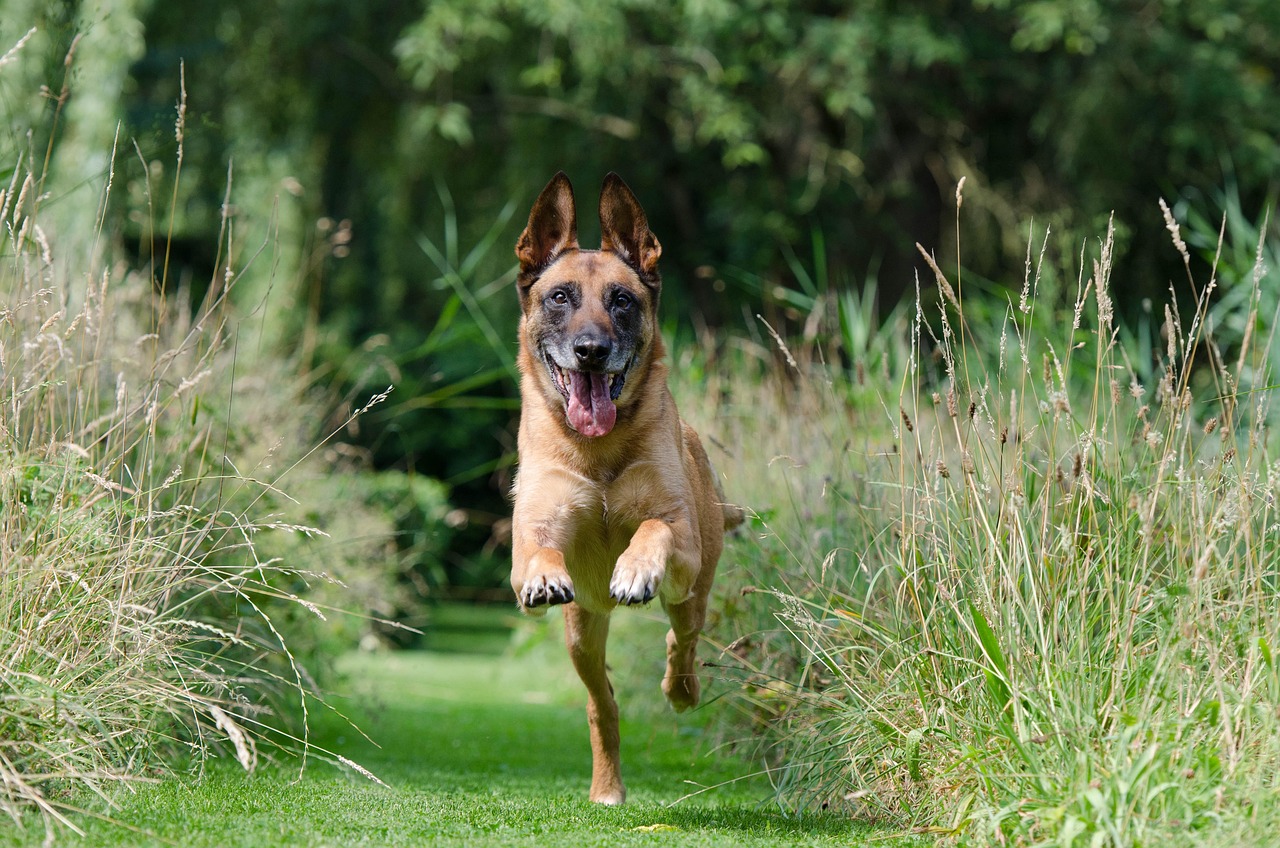

How to Successfully Train the Come Command in Dogs
The “come” command is an essential part of any dog training regime, enabling owners to communicate effectively with their pets. This command is not just for show; it can prove vital in keeping your dog safe in various situations. To begin with, it’s crucial to ensure that your dog associates the act of coming to you with positive experiences. Start training in a quiet location with minimal distractions. Use a happy tone and call your dog enthusiastically. Using treats or their favorite toy can help too. You want them to learn that responding to your call results in a reward. Reinforcement builds trust and motivation. It’s advisable to practice regularly, as consistency leads to solid results. Whenever the dog responds positively, shower them with praise. This creates a strong connection between the command and a rewarding outcome. It is also essential during the training process to avoid punishing your dog for not coming. That can lead to fear and resistance rather than eagerness. Employ patience and make the sessions short to keep your dog engaged. With dedication, your dog will learn to respond reliably to the “come” command.
Once your dog shows signs of mastering the come command indoors, it’s time to gradually introduce more challenging environments. Start by moving outside with your dog in a secure, fenced yard or a quiet area. Ensure there are minimal distractions, which allows the dog to focus better. Call the dog using the same excited tone, maintaining a positive atmosphere. As they get used to responding in varied settings, you can introduce distance and distractions gradually. For example, use toys, other dogs, or even people walking by to test their skills. If your dog struggles to stay focused, step back to simpler situations and build their confidence again. Remember to reward your dog for coming even when they don’t immediately respond. This reinforces the behavior and promotes a positive learning experience. It’s essential to visualize the progression. Keep the training enjoyable; if the dog enjoys the process, they are more likely to learn quicker. Use high-value treats or praise as incentives. Practicing different scenarios will allow your dog to generalize the command, making it reliable in more challenging situations outside your training area.
Dealing with Distractions
Distractions pose one of the biggest challenges when training a dog with the come command. Many dogs become overly excited or distracted by their environment, making it hard for them to focus. To combat this, introduce distractions gradually and keep training sessions fun and engaging. Begin with minimal distractions and slowly increase them as your dog’s confidence grows. For example, practice in an open field but exclude other animals and people at first. Use various enticing objects like toys or treats to grab their attention. This will help them learn to focus on you despite surrounding distractions. Helping your dog learn the command solely within a controlled environment may be insufficient long term. As your dog gains proficiency, utilize busy parks or areas where other dogs are present. Remain patient, as this transition may take time. If your dog struggles, return to a quieter space and move slowly. While you may need to practice in distracting environments for a while, persistent efforts yield positive results. The goal is for your dog to learn that no matter how distracting the environment, your call still means to come to you.
Moreover, using long lines or leashes during training can help in situations where immediate recall is challenging. This approach allows you to guide your dog back to you if they wander too far without feeling competitive. Long lines can provide an excellent opportunity to give your dog more freedom while still teaching control. When practicing, make sure to let your dog explore, but use the recall command often. Pull gently on the line if they don’t respond. When they come, reward them generously! This teaches them how to respond to the command on their own and increases their willingness to follow it. Editing the length of the line as they gain proficiency can be helpful, even practicing recall in an off-leash environment when possible. Always ensure that your dog understands it’s safe to come to you. The safety of your dog is crucial, so think about practicing these commands in an enclosed space where they can freely roam without the risk of running away or facing dangers. Gradual exposure leads to reliable recall, thus reinforcing both safety and obedience.
Creating a Consistent Command
Using a consistent command ensures your dog knows exactly what you expect when you call them. Choosing a specific word or phrase like “come” or “here” is essential. Stick with this command throughout your dog’s training and daily life. Consistency helps eliminate confusion. If your dog hears variations of the command, it may result in misunderstandings or a lack of response. It’s also important to avoid using the word “come” in negative contexts. For instance, refrain from calling your dog when trying to put them in their crate or when it’s time for a bath. This can create a negative association with that command. Instead, always make coming to you a positive experience. Utilize a cheerful voice, an inviting body language, and visual cues like clapping your hands to encourage your dog. Also, try not to repeat the command over and over, but rather give them a moment to process the command. Reinforcement in such training means replicating the command regularly but without overwhelming your dog. Positive experiences lead them to associate this recall command with happy situations.
Moreover, timing is everything. It’s crucial to reward your dog immediately upon following your command. This instant connection reinforces the desired behavior, showing your dog that they’ve made the right choice. Try to use treats, favorite toys, or lots of praise when they obey the command. This practice helps build a strong link between the command and their obedient response. Core reinforcement is part of effective training. Try to adjust the type of reward depending on the difficulty of the situation. A distraction-filled environment might require higher-value treats or more enthusiastic praise to coax your dog’s attention. As your dog becomes more adept at responding to the command, taper off the treats gradually, but never eliminate them completely. Offering occasional requires your dog to keep responding positively over time. Balance between verbal praise and physical affection serves to further strengthen your bond. Remember that this process might take a while, and every dog’s learning speed is different. With consistent practice and reinforcement, your dog will eagerly respond when you call for them.
Overcoming Setbacks
Every dog owner faces setbacks during the recall training process. These can be frustrating, but it’s essential to approach them with a positive attitude. If your dog seems unresponsive or inconsistent in obeying the come command, try to retrain yourself first! It’s easy to underestimate how dogs perceive commands. Going back to basics may involve simplifying your approach. Start by reassessing the training environment, ensuring minimal distractions. Re-introduce the training command slowly by establishing a connection that reminds your dog of earlier practices. Sometimes, dogs lose their enthusiasm to respond due to boredom or lack of novelty in the training routine. Switching up the environment, techniques, or rewards can reinvigorate their interest in the command. Incorporating fun games like hide-and-seek can also be beneficial. This actually makes the learning experience enjoyable for your dog while reinforcing the command in a playful manner. In such cases, finding a local trainer or other pet owners to swap ideas could improve your dog’s recall. Remember, setbacks are a part of learning, and patience, consistency, and compassion make a remarkable difference in the process of training.
Lastly, celebrate your dog’s progress! Celebrating accomplishments, both big and small, can foster a positive environment for training. Whether your dog successfully comes when called after a short distance or a longer one, showing excitement is essential. Enthusiasm encourages further participation from your dog. Make it a habit to vocalize your pride in them every time they complete a successful command. Every instance of success builds confidence within the dog. This also helps boost your excitement – dogs can sense their owners’ energy, which motivates them. Educating others about the importance of the come command opens avenues for socialization and collaboration. Attend classes together with fellow dog owners and practice in a group setting. Additionally, sharing experiences and tips can help strengthen your training approach. It also helps keep things fun while encouraging community engagement. Establishing reliable recall with your dog ultimately enhances the bond you share, improving communication and trust. Celebrating each milestone with enthusiasm, commitment, and positivity adds significance to the entire training experience. With time and dedication, your dog can transform into a well-trained companion, willingly responding to your call.