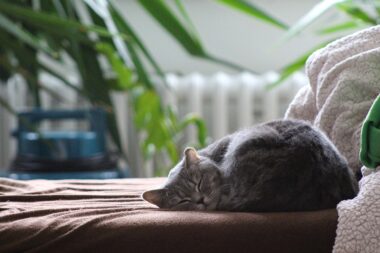

Hydration Tips When Preparing Your Cat for a Journey
Preparing your cat for travel involves ensuring they are well-hydrated. Dehydration can lead to serious health issues, especially on long trips. One effective way to ensure hydration is by starting a hydration routine at home days before travel. Offer fresh water regularly to encourage drinking. You may also introduce wet food, which contains moisture that contributes to hydration. Always keep a portable water bowl handy for ease of access. Using a pet travel bowl can make it easy to serve your cat water during stops. Another great option is using a hydration supplement, which can help enhance the water intake for your cat. Always monitor your cat’s drinking habits closely. If your cat is reluctant to drink, consider trying different types of bowls, such as ceramic or stainless steel. Every cat is different, and finding the right bowl can make a big difference in their willingness to drink water. Don’t forget to keep the area clean and hygienic. Avoid leaving water out for extended periods to ensure freshness, and check for suitability on a regular basis to maintain a healthy hydration routine.
In addition to regular water intake, setting the right travel environment is essential for keeping your cat hydrated. Ensure the travel carrier allows for proper ventilation and is not overly warm. Temperature plays a crucial role in hydration levels. During the journey, provide a comfortable resting place where your cat can relax and drink water at their leisure. If traveling by car, frequent breaks are crucial. Use these breaks to offer water to your cat and encourage them to get out and stretch. Pay attention to how your cat behaves during these stops, as signs of lethargy or refusal to eat might be indications of dehydration or stress. If your trip is longer than a few hours, consider incorporating hydration gels specifically designed for pets. These can provide essential fluids in concentrated forms. Additionally, be cautious of the weather conditions; hot days may require more hydration efforts to combat heat. Always carry extra water to ensure you don’t run out, especially in remote areas where facilities may be lacking. Being proactive by preparing for hydration will help ensure your cat enjoys a safe and comfortable travel experience.
Another method to encourage hydration while traveling involves using pet-friendly hydration options. Products like electrolyte-enriched water can be beneficial, particularly in warm climates where your cat requires extra fluids. Always consult your veterinarian before introducing any new food or drink to your cat’s diet. They can provide advice on suitable products for your cat’s health. Familiarize yourself with the signs of dehydration in cats, which can include dry gums, lethargy, and decreased skin elasticity. Knowing these signs allows for quick action if your cat shows signs of distress during travel. If your cat becomes stressed during trips, consider playing soothing music or using calming sprays as needed. Every little detail helps maximize their comfort. Use for a calming effect can ease their anxiety. Create a travel routine that mimics daily habits, as this familiarity can reduce stress. Familiar scents in their carrier, like a favorite blanket, can also comfort your cat and encourage them to drink more. Keeping track of your cat’s daily water intake is essential and can be facilitated easily with pet travel apps available today.
Feeding Schedule and Hydration
Adjusting feeding schedules may also play a role in your cat’s hydration. Aim to feed meals at times that align with planned travel breaks so that water can be provided simultaneously. This timing can improve the likelihood of drinking. Maintain a consistent feeding pattern before travel. If your cat is used to eating at certain times, keep to that schedule as closely as possible during the trip. If your journey lasts longer than anticipated, be prepared with extra supplies, including canned food and water. Using canned food will supplement moisture intake significantly. It is important to remain aware of your cat’s comfort—too much food or stress can lead to travel discomfort. Gradually transitioning your cat’s diet or using familiar food can help minimize stomach upset and make them more willing to drink. Always carry backup supplies, especially in case of emergencies. If you’re staying at a pet-friendly hotel, ensure they have provisions for your cat’s dietary and hydration needs. Nothing is more reassuring than having everything your cat requires for a stress-free travel experience. In conclusion, planning means anticipating your cat’s hydration needs to keep them healthy.
Always ensure your travel carrier is outfitted with a water source that makes hydration easier during your journey. Consider using spill-proof water bowls designed specifically for pet travel. These bowls can prevent messes while still being practical for serving water. If your cat is traveling for the first time, introduce them to the carrier weeks prior to lessen anxiety. Positive reinforcement through treats and praise encourages your cat to associate the carrier with good experiences. You can even allow your cat to explore the carrier, so it feels familiar. During your trip, maintain a calm demeanor as your cat can pick up on your emotions, which may affect their behavior. Keeping calm helps in encouraging your cat to drink water and feel comfortable. Packing small amounts goes along with emergency supplies like mini water packs. Always stay attentive to your cat’s needs, especially in unfamiliar areas. Regular checks can ensure everything goes smoothly. Minimize unnecessary stress by sticking to familiar routines and adjusting as you observe your cat’s behavior during travel. The more relaxed they are, the more likely they will stay hydrated throughout the journey.
Post-Travel Hydration
Once you arrive, the focus on hydration should continue. Allow your cat to acclimate to the new environment first, and they will appreciate water once they settle. Set up a safe space with their food and water bowls clearly defined. Kittens are notoriously curious, so keeping their area cozy and safe will encourage them to hydrate after travel. It’s common for cats to drink less than usual when in unfamiliar environments. Be patient during this adjustment period. You can encourage drinking by adding some water to their dry food. This adds moisture to their diet without changing their usual routine too much. Keeping track of their water intake becomes essential in this instance. If your cat continues to show signs of dehydration, consult your vet. Providing regular fresh water will eventually settle them into their new space. After a long journey, offer them plenty of room to roam around and reduce stress. Engaging in playtime can help stimulate their appetite and need for water. Continue monitoring their hydration levels regularly for some time after your arrival to ensure their safety.
Lastly, traveling with your cat requires attention to their unique needs, focusing on hydration being just one aspect. Consider additional measures that support their well-being, such as familiar toys or blankets that offer comfort. Familiar scents can significantly impact your cat’s willingness to both eat and drink in an unknown place. Opt for lightweight and collapsible food and water bowls for convenience. These make a significant difference in busy travel situations, such as airport visits or restroom stops on long trips. Staying organized is key; keep all cat-related supplies within easy reach during travel. Having separate compartments in your travel bag ensures easy access. Pet travel apps can improve your travel efficiency by organizing supplies and finding pet-friendly rest areas. Ultimately, keeping your cat hydrated during travel involves preparation, vigilance, and understanding of your pet’s individual needs. This level of care fosters trust and comfort, making the journey more enjoyable for both of you. By addressing hydration, you’re making a significant commitment to your cat’s health while ensuring a smoother travel experience overall.