Latest Studies on Dog Response to Training Equipment in Scientific Journals
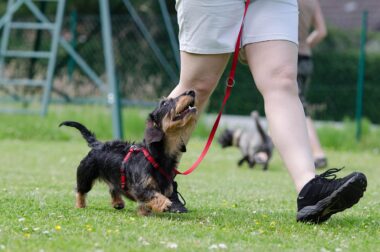
Dog training equipment plays a crucial role in shaping canine behavior. Recent studies illustrate this significance by investigating how various training tools impact dog responsiveness. For instance, choke collars and harnesses show distinct effects on training outcomes. The nature of these tools can significantly influence a dog’s willingness to engage. Dogs trained with positive reinforcement devices demonstrate improved behavioral responses, which fosters a healthier training environment. Additionally, tracking devices, such as GPS collars, can enhance training efficiency by providing real-time location data. Research indicates that dogs equipped with these devices show better compliance during training sessions. Furthermore, the choice of training journals significantly affects understanding these methodologies. Many journals now focus on empirical evidence related to training tools and their effectiveness. As our understanding of canine psychology evolves, the development of training equipment also must keep pace. Hence, investing in high-quality, research-backed tools is essential. Moreover, documenting training progress through journals aids pet owners in tailoring sessions effectively. Overall, ongoing research continues to reveal the evolving dynamics between dogs and training equipment.
Understanding Canine Behavior and Training Practices
One of the essential aspects of dog training involves understanding the interaction between equipment and canine behavior. Many studies emphasize the importance of motivation and comfort when utilizing training tools. For example, using clickers for a rewarding training experience fosters enthusiasm and eagerness. Research explores the various effects of discomfort caused by poorly designed collars or harnesses on a dog’s willingness to cooperate. Behavioral assessments conducted in recent trials show that dogs exhibit stress signals when subjected to uncomfortable gear. This reinforces the idea that proper equipment design can enhance training success. Effectively incorporating feedback through training journals also plays a critical role in refining methods. By evaluating their dog’s responses, trainers can adapt strategies to achieve better results. Journals not only provide insight into the effectiveness of different tools but also track behavioral changes over time. A study highlighted that trainers who maintained detailed records achieved significantly higher success rates compared to those who didn’t. The integration of well-researched equipment with effective journaling practices can make a profound difference in the dog training journey.
Moreover, the psychological factors influencing a dog’s response to training tools cannot be overlooked. Studies published in various scientific journals illustrate how positive reinforcement techniques foster a more receptive learning environment. For instance, dogs exposed to treats during training were more likely to engage with the equipment and follow commands consistently. Conversely, negative reinforcement techniques often lead dogs to exhibit avoidance behaviors toward specific training tools. Research highlights that understanding a dog’s capability to associate various tools with either positive or negative experiences is crucial. Consequently, effective training journals will document these nuances, offering insights into a dog’s psychological landscape. By ensuring that equipment used aligns with a dog’s comfort, trainers can achieve more effective results. Additionally, ongoing research sheds light on the need for customizable training solutions. Customized equipment ensures a better fit and can enhance a dog’s engagement. As trainers explore these patterns, businesses are encouraged to invest in innovative equipment that provides comfort and support. Furthermore, the role of scientific methodology in training practices guides practitioners in developing evidence-based approaches to dog training.
The Role of Technology in Dog Training
In recent years, technology has revolutionized dog training, presenting new tools and resources for dog owners. Novel equipment like smart collars seamlessly integrates basic training principles with technology, offering real-time feedback. Devices equipped with GPS and activity trackers assist trainers in setting actionable goals based on behavioral data. Research indicates that technology-enhanced training methods outperform traditional techniques in several key areas. One significant advantage is the ability for trainers to monitor a dog’s progress effectively over time. High-tech solutions allow real-time assessments of progress, enabling trainers to adjust their approach dynamically. Furthermore, studies have shown that dogs respond positively to interactive equipment, fostering engagement and enthusiasm during training sessions. Incorporating such innovations also aligns with the evolving understanding of canine behavior and psychology. As trainers utilize these advanced tools, it’s imperative to maintain detailed journals documenting each session’s outcomes. This combination of technology and systematic tracking proves essential to understanding a dog’s progress. Ultimately, technology continues to pave the way for innovative practices in the dog training industry, enhancing relationships between dogs and their trainers.
Additionally, the importance of socialization and environmental factors in training effectiveness is being analyzed more closely by researchers. Dogs exposed to various environments while using training tools tend to develop more adaptable behaviors. Recent journal articles advocate for engaging dogs in varied settings, indicating that this can positively influence their response to equipment. Social interactions during training can also significantly impact outcomes. Harnessing the benefits of group training sessions can foster a supportive environment, leading to improved outcomes. Studies reveal that dogs thrive in social situations, particularly when peers are nearby, motivating them to interact positively with the training equipment. Journaling these training sessions can offer valuable feedback regarding the context and social influences on canine behavior. By noting how different environments and social settings affect training, it’s possible to develop more effective strategies. However, not all dogs respond similarly; hence substantial variability exists depending on breed, prior experiences, and individual temperament. Understanding these variations empowers trainers to adapt their approaches more effectively. Through continued research and targeted journaling, trainers can navigate these complexities and enhance their strategies consistently.
Best Practices for Dog Training Equipment Usage
Using dog training equipment effectively requires a blend of knowledge and practice. Best practices emphasize the significance of proper equipment selection tailored to meet a dog’s individual needs. Trainers must consider size, breed, and behavioral traits while selecting gear. Recent studies imply that using the right equipment directly influences training outcomes. For example, localizing the issue is vital when dogs exhibit difficulty learning commands. Journals can be instrumental in noting these instances. Implementing gradual exposure to new tools also tends to yield better results. Studies illustrate that introducing equipment slowly allows dogs to acclimate, thereby improving their response. Additionally, reinforcement strategies should align with the specific equipment. Journaling these responses can clarify what techniques are working and what adjustments are needed. Various professionals have conducted evaluations to find optimal methods using collars, clickers, and harnesses. Furthermore, timely review of journal entries aids trainers in refining their strategies over time. Thus, the relationship between effective gear use and systematic documentation creates a comprehensive understanding of what works in dog training.
Ultimately, the future of dog training equipment continues to evolve with ongoing research in canine behavior and best practices. Innovations in materials and designs aim to create more user-friendly options for both trainers and dogs. Continued studies propose that comfort and safety should remain priorities when developing training tools. Many manufacturers are now geared towards producing equipment that reflects this understanding, which should improve training effectiveness. Additionally, the promotion of positive reinforcement techniques is reshaping how training tools are conceptualized. As new dog training journals emerge, they contribute significantly to the conversation surrounding effective methodologies. Recording encounters with various tools allows trainers to refine their practices. Scientific inquiry remains crucial to staying ahead in dog training practices. As trainers and dog owners seek more information, these journals provide valuable evidence-based insights into successful strategies. Investing in high-quality training gear that meets the specific needs of dogs can dramatically enhance the training experience. Following these evidence-backed suggestions ensures that every dog receives the best possible training tailored to their unique requirements.