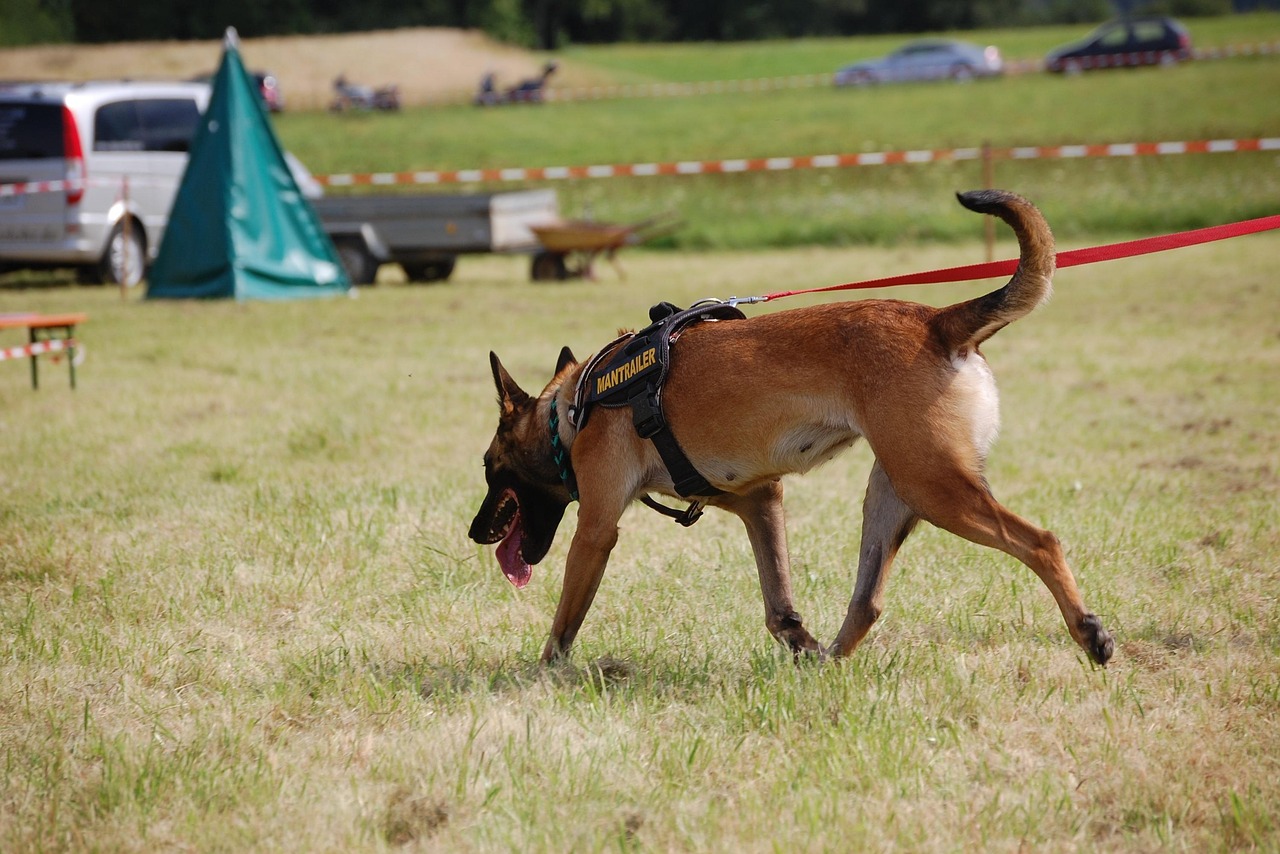

Socialization Essentials for Search and Rescue Dogs
Training a search and rescue dog requires a foundational focus on socialization. Socialization is critical for working dogs, ensuring they adapt well to varied environments and social settings. It enhances their capability to perform under pressure and distractions that they inevitably encounter during actual missions. Early exposure to different contexts such as urban areas, forests, and crowded places significantly contributes to a dog’s confidence. Positive experiences in these settings help reduce fear and anxiety, making the dog more effective in tasks. Additionally, interaction with various people and other animals promotes healthy relationships, which is essential for teamwork. Regular socialization exercises can include visits to dog parks, participation in training groups, or simply engaging in different community settings. Additionally, controlled exposure to adverse conditions such as loud noises or sudden movements can prepare dogs for unpredictable mission scenarios. These experiences are vital, as they build not only the dog’s capability but also trust in their handler. Consequently, adequately socialized dogs often perform better in rescue situations, boasting improved focus and reliability, ultimately enhancing the effectiveness of the entire rescue team.
Understanding Behavioral Training
Behavioral training focuses on instilling appropriate responses to stimuli and environments that search and rescue dogs regularly face. It involves teaching commands that elicit specific actions, such as sit, stay, and come, which are essential for controlling the dog during search operations. Through positive reinforcement techniques, handlers can reward desired behaviors, making it easier for dogs to learn. While behavioral training is essential, consistency in training methods is equally crucial. Each session must have clear goals and objectives to prevent confusion in the dog’s learning process. Furthermore, utilizing toys, treats, or praise as rewards can significantly boost a dog’s motivation to obey commands. Interaction with other trained dogs in a controlled environment enhances the learning experience, as dogs often learn from each other. The mastery of basic commands sets the foundation for advanced training techniques. Furthermore, handlers must monitor the dog’s reactions to various commands in differing environments. This allows for adjustments and gradual exposure to complex scenarios. Behavioral training not only improves teamwork but also ensures that dogs can perform their roles with precision and reliability when responding to emergencies.
Building the right foundation in search and rescue rarely happens overnight. Consistency and patience are vital as both the dog and handler learn to communicate effectively. Each training session should build on the previous ones, ensuring that the dog understands their role and expectations. Using a mix of training methods can keep the process interesting for both the trainer and the dog. Engaging activities that vary from structured drills to free-play sessions will help maintain enthusiasm. Notably, the bond between the handler and the dog plays a crucial role in this journey. When dogs trust their handlers, they are more likely to respond to commands even in stressful situations. Utilizing different play styles can foster a sense of security and comfort, allowing the dog to feel more at ease. Additionally, recognizing the individual personality of each dog is essential in tailoring the training approach. For example, some dogs may need more encouragement through positive reinforcement, while others may thrive under a more disciplined approach. Ultimately, recognizing these traits will lead to more effective training and enhance the dog’s performance during missions.
Challenges in Search and Rescue Operations
Search and rescue dogs face unique challenges that can affect their training and performance. Each mission presents a different set of environmental factors that can be overwhelming for unprepared dogs. Factors such as weather conditions, the terrain, and potential hazards must be considered in their preparation. For example, a dog deployed in a mountain search may encounter steep cliffs and varying temperatures that can test their skills. Similarly, urban environments may involve dangers like heavy traffic and crowds, creating significant stress. Handlers must prepare their dogs to handle these situations without hesitation. Training in various types of environments enables dogs to acclimatize to these challenges effectively. Simulating real-life scenarios during training can help them learn coping strategies to counter stressors. In addition, recognizing signs of stress or overstimulation in dogs allows handlers to make necessary adjustments in their routines. Furthermore, continuous training and reinforcement prepare dogs for new challenges that they may face in the field. Adequate preparation and adaptability ultimately lead to successful missions, showcasing the importance of comprehensive training for both dogs and their handlers.
Regular assessment of the dog’s skills and behavioral responses is critical for search and rescue teams. Conducting drills and mock search operations provides practical insight into the dog’s performance. These assessments offer handlers the opportunity to identify areas requiring improvement. Tracking progress over time helps in recognizing the effectiveness of various training techniques. It is vital to maintain both physical and mental conditioning, as fatigue can adversely affect a dog’s performance. Incorporating various activities such as agility courses or puzzle-solving tasks during training can be beneficial. These elements keep the dog physically active while stimulating their problem-solving abilities. Regular interaction and training with other search teams promote learning from different perspectives, facilitating knowledge exchange on techniques and tools. Networking with other handlers and attending workshops can also enhance training methodologies. This fosters a community spirit, and handlers can gain additional support. As techniques evolve, it’s important to remain adaptable and open-minded about new training methods. Ultimately, consistent evaluation and adaptation ensure that search and rescue dogs retain the necessary skills and resilience needed to excel in their roles.
Importance of Teamwork between Handlers and Dogs
The bond between handler and dog is central to success in search and rescue efforts. This relationship is built over time and is cultivated through consistent training and shared experiences. A strong connection enhances trust, communication, and the dog’s willingness to follow commands. Handlers must recognize and respect their dog’s emotional needs, responding appropriately to build resilience in high-pressure situations. Various strategies can enhance this bond; for instance, spending quality time outside of formal training sessions can strengthen their relationship. Playtime and social interactions allow the dog to associate their handler with positive experiences. Additionally, maintaining open communication between team members is crucial to ensuring both dog and handler function as one unit. Handling dynamics should emphasize mutual respect and understanding, allowing the dog to feel secure in their leadership. Moreover, handlers must be adept at reading their dogs’ body language, as it provides essential feedback on their emotional state. This understanding can assist in refining training methods to suit individual needs. Ultimately, a collaborative foundation between handler and dog leads to improved performance during search and rescue missions, maximizing the chances of success.
As training concludes, ongoing education for both handlers and dogs remains essential. Lifelong learning contributes to refining skills and adapting to new techniques. Regular attendance of seminars or workshops ensures current standards and best practices are upheld. Additionally, keeping abreast of advancements in search technology can enhance operational effectiveness. Handlers should also engage in physical fitness routines alongside their dogs. This not only helps in maintaining their health but also reinforces mutual bonding. Encouraging self-care and well-being leads to more productive training sessions since both handler and dog feel better equipped. Additionally, ensuring that dogs receive regular vet check-ups and maintain optimal health is crucial. When problems arise due to health issues, it can significantly impact their effectiveness during missions. Furthermore, care should be taken to monitor their diet and nutrition to ensure they are always in peak physical condition. Choosing the right food based on the dog’s activity level and health needs also matters. A comprehensive support system aids in preparing them not only for the rigors of their job but for a fulfilling life.
Conclusion and Future Directions
In conclusion, socialization and behavioral training is fundamental for the success of search and rescue dogs. A comprehensive training program that incorporates both elements fosters well-rounded, adaptable canines ready to tackle diverse challenges. As the landscape of search and rescue evolves, handler education will remain vital in meeting current needs. Future advancements will also shape training methodologies, mandating a flexible approach. Understanding the individual requirements of each dog is also important in developing customized training approaches. Continued research on animal behavior and welfare can steer future training practices and enhance the overall effectiveness of search and rescue teams. Moreover, open communication and collaboration within the rescue community will contribute to refining techniques. Sharing insights and experiences can yield innovative solutions to challenges faced in the field. Ultimately, the goal of such training is to develop dogs that not only excel in their roles but also lead fulfilling lives. The partnership between handler and dog, grounded in trust and mutual respect, forms the cornerstone of successful search and rescue operations. Investing time and resources into their training ensures preparedness for critical missions, reinforcing the invaluable contributions of these incredible working dogs.