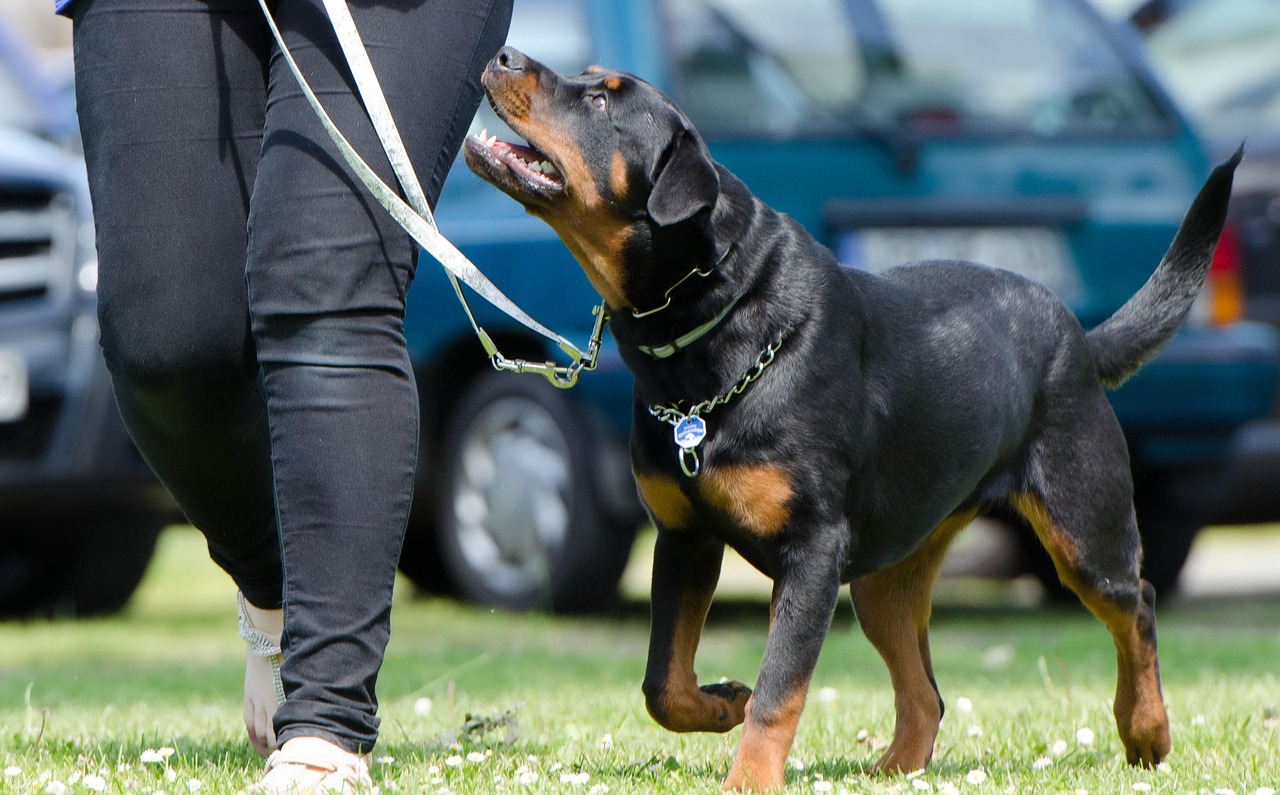

Tracking Progress: How to Measure Success in Dog Training Using Behavioral Science
Dog training can be a transformative experience for both the animal and the owner. Utilizing behavioral science provides a foundation for understanding how dogs learn and interact. To measure success accurately, it is crucial to track specific variables over time. For instance, monitor the frequency of the desired behavior and the overall response during training sessions. Create a data-rich environment by keeping logs that reflect your dog’s behavioral changes. Consider various benchmarks, such as progress in obedience commands or improved social interactions. Analyzing this information will offer insights into the effectiveness of your training methods. The tracking process will enable you to adjust your approach according to your dog’s evolving needs. It’s essential to be patient and maintain realistic expectations. Success in dog training often takes time and consistent effort, and adjusting your strategy based on this data will contribute to long-term success. Behavioral science provides various techniques for a more effective approach to dog training, maximizing the potential outcomes while strengthening the bond between you and your furry friend.
One effective method for assessing dog training success is through the use of metrics. Establish clear goals before beginning your training program. Metrics can provide measurable objectives that help you monitor what truly matters. Common metrics used in dog training include the time it takes for your pet to respond to a command, the number of correct responses, and the duration of desired behaviors. By establishing benchmarks, you can identify trends and patterns in your dog’s learning process. Additionally, consider implementing a reward system to enhance motivation. Progress will become more apparent as your dog consistently meets its learning milestones. Using charts or digital tools can also facilitate tracking these metrics effectively. Visual data representation not only makes it easier to interpret the information but also adds an element of excitement to the training experience. Sharing progress with family members allows for greater accountability and support. Agreeing on the training goals ensures everyone works towards the same objectives. Remember, tracking should foster a positive atmosphere for both you and your dog, keeping the training experience enjoyable and engaging.
Behavioral Observations for Effective Training
Aside from numerical metrics, behavioral observations play a vital role in evaluating progress during training. Each dog is unique, and the nuances of their behavior can reveal much about their learning journey. Take notes on how your dog reacts to specific commands and scenarios. Note their body language and emotional responses, as these can indicate their comfort level and understanding of what is expected. Pay close attention to their willingness to engage in training, as aversion or withdrawal may signify a need for adjustments. Use video recordings to revisit training sessions, allowing you to analyze behaviors that might be overlooked in real-time. This practice helps to refine techniques and foster a deeper understanding of your dog’s individual learning style. Creating a positive environment is crucial, as it will encourage your dog to express willingness to learn. Consistent reinforcement, paired with careful observations, will help you identify effective training methods. Flexibility in your training approach is key, ensuring that your techniques align with the dog’s evolving responses.
Evaluating the emotional state of your dog during training is essential for monitoring success. Behavioral science emphasizes the importance of understanding emotions in learning. Dogs, like humans, can experience various emotions that affect their ability to learn. Recognizing signs of stress or anxiety, such as excessive panting or pacing, can indicate underlying issues in the training process. Create positive associations by incorporating favorite toys or treats during sessions to enhance your dog’s emotional response. If your dog seems disinterested or frustrated, consider adapting your methods or the training environment. An overly stimulating environment might impede focus. Track changes in their demeanor, noting when improvements occur. Successful training not only considers obedience but also the emotional connection nurtured throughout the process. A supportive atmosphere will encourage dogs to engage and learn more freely. Enhancing the emotional bond will enrich the training experience. It reinforces the concept that success goes beyond mere commands and fosters a sense of teamwork. Through understanding emotions, you and your dog can share a rewarding journey towards better training outcomes.
Engagement Techniques to Boost Retention
Incorporating engagement techniques into your training regimen can significantly influence success. Utilizing behavioral science reveals that engagement directly correlates with retention rates in dogs. Strategies such as varying rewards, implementing interactive games, and creating diverse training routines facilitate learning. Instead of always offering treats, consider incorporating praise, toys, or even playtime as rewards to maintain interest. Rotating through various activities prevents monotony, keeping both you and your dog eager to participate. Observe how different techniques can elicit excitement and eagerness during training sessions, which can lead to positive results. Saying ‘good job’ enthusiastically after a correct behavior can significantly boost your dog’s motivation. Tracking these engagement levels can help measure effectiveness over time. When engagement is high, the willingness to learn improves , which strengthens the bond between owner and pet. It is essential to create an environment where your dog feels safe and encouraged to explore. Engaging methods stimulate curiosity and foster positive associations with training, making progression seamless and enjoyable for both parties involved.
Consistency is a critical factor in successful dog training. Applying behavioral science principles emphasizes the necessity of uniformity in commands, rewards, and routines. When you introduce varying cue words or commands, it can confuse your dog. Retaining similar language and practice each time reinforces understanding and minimizes frustration. Ensure that everyone involved in the training process understands and adheres to the set training practices. Uniformity solidifies learning and helps your dog respond correctly to commands. Keep a consistent schedule for training sessions as well, to establish predictability. Keeping these consistent variables allows both owner and dog to achieve a clearer understanding of expectations. As you track success, reflect on whether your consistency improves or hinders progress. This ensures that you’re fostering a structured environment conducive to learning effectively. Incremental adjustments become necessary as you identify what works best for your dog. Knowing when to reinforce consistent behavior while also allowing for adaptation is a vital skill learned in the training process.
Adjusting Strategies Based on Metrics and Observations
After collecting sufficient data and observations, it’s essential to assess your strategies continuously. Dog training is not a one-size-fits-all approach. Personalizing your methods based on the dog’s responses is paramount as you progress. For instance, if there are consistent difficulties with a specific command, consider altering how you teach that particular skill. Adding variety to your training sessions can address any learning gaps. Removing potential distractions or modifying the associated rewards may significantly improve performance. Remember that successful training goes beyond rigid techniques — flexibility is key to maintaining progress. Check regularly to analyze your results and identify adjustments needed. Being attentive to both data and behavioral cues allows you to fine-tune your strategy effectively. Consider discussing your findings with a professional trainer who can offer insights into your dog’s behavior. They might provide guidance on how to adapt approaches based on sound behavioral principles. Listening to your dog’s cues and analyzing metrics creates a more enriched learning environment that supports ongoing improvement in training outcomes.
Ultimately, creating a successful training experience rooted in behavioral science is a partnership between dog and owner. This partnership encourages continuous learning and adaptation. Acknowledge that every dog has a unique learning pace, and patience is crucial. Celebrate small successes, as they contribute to the overall progress you are monitoring. Building a strong relationship strengthens the connection between you and your dog, ensuring an enjoyable training atmosphere. Ongoing tracking ensures you stay informed and adaptable, fine-tuning methods as necessary. Find joy in the journey you share while learning to communicate effectively. Regular reflection on progress through metrics and observations will help you celebrate victories together. The more invested you become in this learning partnership, the more enriching your training experience will be for both of you. Moreover, this approach fosters a deeper understanding of your dog, ensuring they feel valued and understood. The culmination of these efforts will undoubtedly lead to a more harmonious relationship. In summary, the synergy between behavioral science, emotional awareness, and structured approaches significantly improves dog training outcomes. Foster an environment for success as you progress together towards excellence in training.