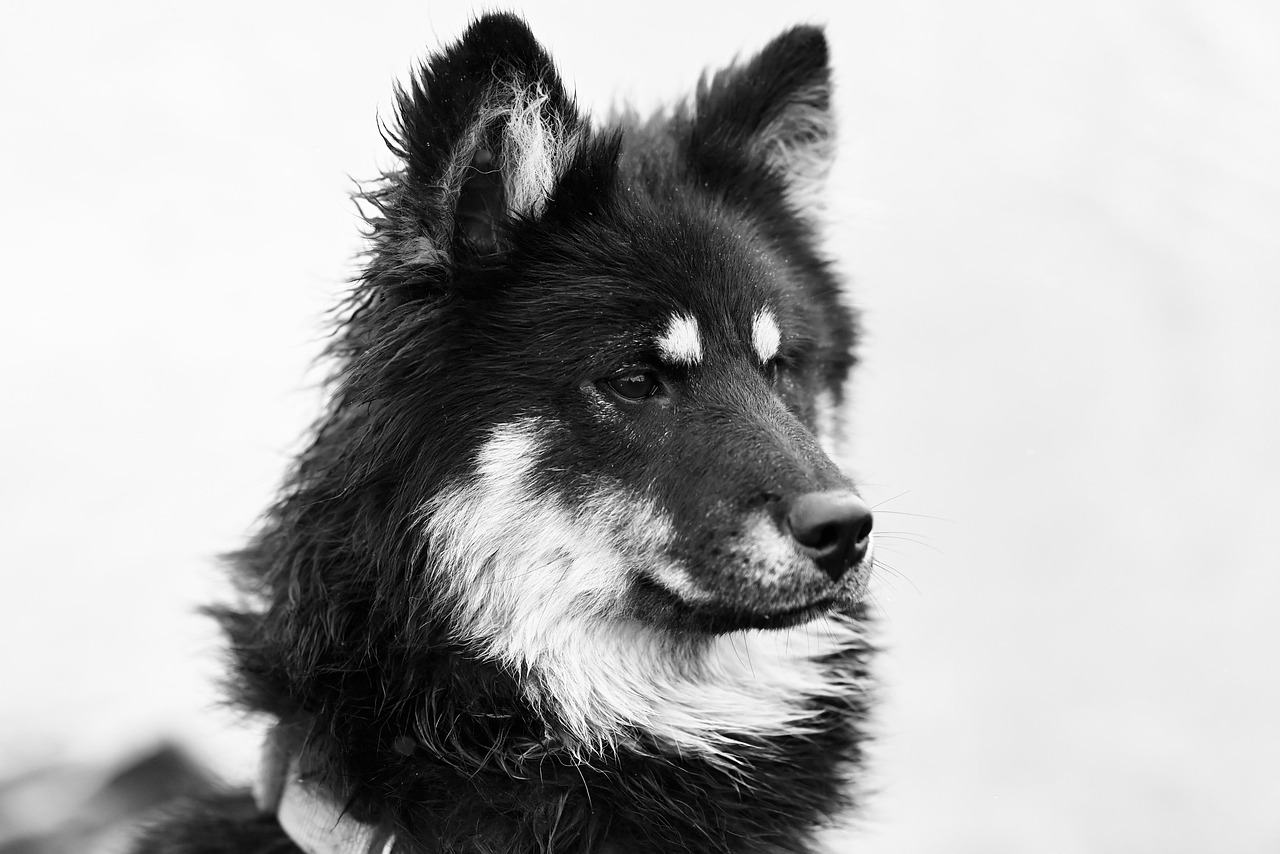

Video Tutorials: Step-by-Step to Reduce Dog Snapping and Nipping
Addressing snapping and nipping behaviors in dogs is crucial for their overall wellbeing. Many pet owners face this challenge, which can lead to anxiety and misunderstandings. The first step is recognizing the underlying causes of snapping and nipping. These behaviors can arise from fear, excitement, or playfulness. Understanding your dog’s body language is essential in this process. For example, a dog that is fearful may show signs such as growling or a stiff posture before snapping. In contrast, playful nippers often have a relaxed posture and wag their tail. Each dog’s temperament and history influence these tendencies, making it crucial to approach the issue with patience. Video tutorials can provide visual cues to better understand these behaviors and demonstrate effective training techniques. By utilizing these resources, you can learn to identify the triggers for your dog’s snapping and nipping. Furthermore, incorporating positive reinforcement training methods fosters better behavior and a stronger bond between you and your furry friend, ultimately ensuring a happier home environment for all. This journey begins with exploring effective videos available online.
Before diving into specific techniques, let’s clarify a few key points regarding dog behavior. Not all nipping is aggressive; often, it is a form of communication or play. By developing a comprehensive understanding of why your dog exhibits snapping and nipping, you can address the root cause effectively. One of the prevalent reasons dogs nip is due to lack of socialization, particularly in puppies. Providing early exposure to various environments, people, and other dogs will cultivate a more confident adult dog. Additionally, boredom can lead to nipping, so regular mental and physical stimulation is necessary. Structured playtime with toys or engaging training sessions can fulfill your dog’s needs for entertainment. Finally, if your dog’s behavior persists despite training efforts, consulting a professional trainer or a vet may offer insights and solutions tailored specifically to your dog’s behavior. Incorporating advice and strategies from experts can further enhance your training process. Video tutorials, often made by professionals, can be particularly beneficial to learn the best practices for reducing these behaviors. So, let’s explore useful techniques that you can implement right away.
Understanding the Triggers
Identifying specific triggers for your dog’s snapping and nipping is essential for addressing the issue effectively. Common triggers include excitement, fear, and overstimulation. For instance, if a dog feels threatened by unfamiliar people or situations, they may resort to snapping as a defense mechanism. Observe your dog’s responses in various settings, noting any signs of discomfort or stress. Consistent monitoring aids in compiling a pattern that helps train against unwanted behaviors. In case excitement is the trigger, redirecting such behaviors towards appropriate toys can minimize nipping. An engaging chew toy can replace your hand or clothing, teaching your dog appropriate play. Additionally, consider incorporating calming techniques. For dogs that snap when overstimulated, teaching them to settle down on command is crucial. Utilizing videos showcasing techniques to desensitize your dog to triggers can help immensely. Start with low-stress situations, gradually elevating them as your dog’s confidence grows. Using videos allows you to visualize these concepts, making implementation easier. Practicing these techniques consistently leads to improvement over time, showcasing the worthiness of patience in behavioral training.
Once you identify triggers, preventive measures can be taken to reduce the likelihood of snapping and nipping. Understanding canine body language can greatly assist in this; indicators such as a stiff tail or intense gaze allude to possible aggression or discomfort. Providing a safe space for your dog to retreat to when feeling overwhelmed offers them choices during stressful moments. It also reassures them, creating a nurturing atmosphere. In addition, setting clear boundaries during playtime is vital. Engage in structured play, allowing your dog to understand when it is acceptable to nip or snap versus when it should not. Incorporating toys during these moments teaches them to redirect their energy. A variety of interactive chew toys can serve this purpose well, allowing your dog to express their needs without resorting to biting. Positive reinforcement when they express proper behavior further enhances your training process. Consistency is essential in this journey; videos showcasing these techniques can serve as an additional roadmap to success. Remember, gradual progress is achievable through diligence and dedication to applying these techniques on a steady basis.
Implementing Positive Reinforcement
Utilizing positive reinforcement is one of the most effective strategies when addressing snapping and nipping. This method involves rewarding desirable behaviors instead of punishing undesirable ones. For example, when your dog approaches you without snapping, offer a treat or praise. This action encourages them to repeat the positive behavior. It’s imperative to establish a clear connection between the action and the reward, ensuring they understand what behavior is being reinforced. Training sessions can become more effective when they are enjoyable and engaging for your dog. Additionally, incorporating techniques seen in video tutorials can enhance your understanding of timing and the proper approaches to rewards. Training doesn’t have to be long or arduous; even short sessions multiple times a day can yield impressive results. Make sure to remain consistent, as dogs thrive on routine. If your dog starts nipping during play, immediately redirect their attention to an appropriate toy, reinforcing this action with praise. Over time, they learn that certain behaviors lead to positive outcomes, reducing unwanted snapping. Keep in mind that patience and practice play essential roles in this process.
In cases where snapping or nipping occurs at specific times or settings, creating a structured routine helps minimize unpredictability. Dogs thrive on stability and routine, so establishing predictable times for meals, walks, and training fosters a sense of security. Simultaneously, make it a habit to check in with your dog regularly, ensuring their needs are being met. Lack of exercise or mental engagement can lead to pent-up energy resulting in erratic behaviors. Enriching your dog’s environment with engaging toys, puzzles, and scheduled playdates with other dogs can help significantly. Watching instructional videos featuring various enrichment activities tailored for different dog breeds will provide inspiration. Adapting these ideas to fit your dog’s preferences is crucial, as some may enjoy activities like fetching while others thrive on puzzle solving. Implementing these routines will not only lessen snapping but also strengthen the bond you share with your dog. As you embark on this approach, remember the importance of being observant to shifts in behavior and adapting your strategies as needed. Over time, you will begin to see the positive effects of routine and engagement.
Seeking Professional Help
Finally, if you’ve implemented various techniques without success, consider consulting a professional dog trainer or behaviorist. These experts can offer tailored guidance specific to your dog’s needs. They can help assess the root issues and create individualized training plans most suitable for your unique situation. In many instances, certain behavioral challenges may require a structured approach that standard resources cannot provide. Videos featuring expert trainers can also supplement your education, offering techniques through visual demonstrations. Sometimes, specialists harness the framework of behavioral science, ensuring your dog learns in a humane and effective manner. Professional trainers can also provide insights into breed-specific behaviors, giving you insights that could lead to improvements. Their expertise could be crucial to preventing potential aggression and managing stress. A well-rounded approach combining your research and their contributions can guide you towards effective solutions. Don’t hesitate to seek help; taking this step shows your commitment to creating a harmonious relationship with your dog. Remember that each journey is unique and progress may manifest differently, but improvement is absolutely achievable.
In conclusion, dog snapping and nipping can often be effectively managed through observation, training, and seeking assistance when necessary. It’s crucial to recognize these behaviors as communication forms rather than outright aggression. Understanding triggers, implementing positive reinforcement, and providing a structured environment can significantly reduce these incidents. Additionally, video tutorials serve as valuable resources for both learning and visualizing training techniques. Approaching your dog’s behavior with patience and dedication is fundamental to achieving success. Consistent practice and addressing underlying causes will lead to noticeable improvements over time. Remember also that each dog is an individual—what works for one may not work for another; personalizing your approach is key. When in doubt, consulting professionals can pave the way. With these strategies, you can help your dog navigate their emotions while nurturing a happy and balanced relationship. You don’t have to face this journey alone; many resources, including videos, guides, and community support groups, are available to aid your training efforts. Celebrate small victories and keep your expectations realistic for the best outcome. Ultimately, the aim should be a well-adjusted dog and harmonious home life.