
Common Behavioral Issues Improved by Regular Dog Exercise
Dogs are incredibly social creatures that require regular physical activity to maintain their mental and emotional stability. Engaging in regular exercise ensures they have a healthy outlet for their energy. Without sufficient physical activity, dogs may develop behavioral issues such as aggression, anxiety, or hyperactivity. These behaviors can stem from boredom or pent-up energy that needs to be released. Daily practice of physical activities, such as walking, running, or playing fetch, not only helps alleviate some of these behavioral problems but also strengthens the bond between the dog and the owner. Walking the dog is one of the best ways to provide mental stimulation for them, as they experience new scents and meet other dogs during walks. The amount of exercise a dog requires depends on their breed, age, and health. As a responsible pet owner, it is vital to tailor the exercise routine to the specific needs of each dog to ensure they remain happy and healthy over time. This proactive approach to exercise will lead to better behavior overall, creating a harmonious relationship between a dog and its owner.
One of the most common issues faced by dog owners is excessive barking, often rooted in boredom or frustration. Regular exercise significantly reduces this behavioral issue by providing physical and mental stimulation. A well-exercised dog tends to be more relaxed and less prone to excessive barking. Engaging in activities such as hiking, swimming, or structured games can be beneficial in controlling barking tendencies. Dogs thrive on routine, so incorporating regular exercise into their daily schedule is advantageous. It helps to address any underlying anxieties that may trigger barking, such as lack of socialization or fear of strangers. Additionally, dogs burn off excess energy during exercise, allowing them to release pent-up excitement in a more acceptable manner. Furthermore, mental stimulation through interactive games and training exercises combined with physical exercise creates a more balanced dog personality. This not only calms them down but also promotes better communication between the dog and its owner. A consistent routine of exercise not only addresses the barking issue but also fosters overall behavioral improvements.
Another significant behavior affected by regular dog exercise is destructive chewing. Dogs often resort to chewing when they are feeling bored or anxious, especially when left alone for extended periods. By providing ample opportunities for exercise and stimulation, owners can help curb this destructive tendency. Engaging dogs in physical activities reduces their urge to chew on furniture, shoes, or other household items. Activities like fetch or tug-of-war keep dogs entertained while allowing them to expend energy in a positive way. Moreover, chewing on appropriate toys, combined with exercise, can be less likely to lead to behavioral issues. Regular exercise, on top of providing physical benefits, enhances a dog’s mental health, reducing the likelihood of developing destructive habits. Owners can choose specific toys that encourage interaction, promoting healthy chewing while keeping the dog engaged. A mentally stimulated dog is less likely to seek out inappropriate chewing behaviors. Consistency in this regimen leads to improved behavior overall, creating a more pleasant living environment for both dog and owner.
Improving Anxiety Through Physical Activity
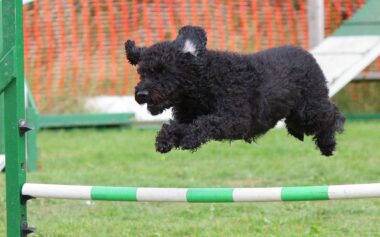
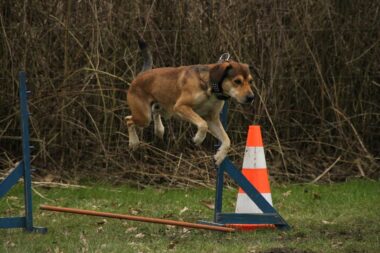
Anxiety is a prevalent issue among dogs, often exacerbated by insufficient exercise. Regular physical activity acts as a natural remedy for anxiety-related behaviors. Exercise releases endorphins that help dogs feel more relaxed and happy, alleviating feelings of stress. Engaging in routine aerobic activities such as running or agility training can lower anxiety levels tremendously. Additionally, providing mental stimulation through training or puzzle toys during these activities can further decrease anxiety and keep dogs occupied. The opportunity to burn off excess energy is crucial in preventing destructive behaviors linked to anxiety. Furthermore, incorporating socialization at dog parks or playdates with other dogs promotes a sense of community that reassures anxious dogs. It’s essential to gradually expose dogs to various environments to build their confidence. While exercising, the dog learns to cope with different situations, helping them build resilience. This consistent routine not only equips the dog with coping mechanisms for future encounters but also fortifies the bond between owner and dog. Hence, regular exercise is vital for managing anxiety, resulting in a calm and balanced furry companion.
Excessive jumping is another common behavioral problem that can be managed with regular exercise. Dogs often jump to seek attention or out of excitement, especially when greeting their owners or visitors. By incorporating a structured exercise plan, owners can teach their dogs how to greet people respectfully while encouraging calm behavior. Engaging dogs in rigorous physical activities, such as running or playing fetch, helps them learn to regulate their excitement levels more effectively. Positive reinforcement training methods can be utilized in conjunction with regular physical exercise to reinforce good behavior during greetings. Providing a clear reward when the dog remains calm can significantly reduce the tendency to jump. Additionally, exposing dogs to different situations and environments during exercise helps them learn appropriate social behaviors. Regular engagement in physical activity allows dogs to develop better impulse control over time, improving their greetings and general behavior. Hence, consistent exercise plays a key role in minimizing jumping tendencies among dogs and ensures they exhibit manners when interacting with others.
Socialization and Behavioral Improvement
Socialization is essential in shaping a dog’s behavior and can be greatly enhanced by regular exercise. Taking dogs to parks, training classes, or group play sessions exposes them to various environments, sounds, and people. This exposure helps mitigate behavioral problems such as fearfulness or uncontrolled excitement. Dogs that engage with other dogs during exercise learn how to communicate appropriately and develop better social skills. Exercise provides a unique opportunity for dogs to engage with peers, helping them feel more comfortable around other animals and people. Structured playdates also allow owners to observe their dog’s behavior, they can help correct any negative tendencies immediately. Additionally, a well-socialized dog is generally more confident, less likely to exhibit fear-based behaviors. Engaging dogs in communal activities during exercise helps to build their confidence and reinforces positive interactions. Furthermore, socialization fosters a calmer demeanor, as dogs become accustomed to various stimuli and learn to relax in the presence of other people. Regular exercise not only helps dogs physically but also paves the way for better behavioral patterns that ensure a happier, healthier dog.
Finally, regular dog exercise plays a pivotal role in creating a manageable and positive environment in the household. When dogs lack adequate exercise, stubborn behaviors such as begging or nudging for attention may arise. These behaviors can disrupt family interactions and lead to frustration among family members. However, regular exercise helps alleviate these tendencies, promoting a calmer atmosphere at home. A dog that gets sufficient physical activity tends to be more disengaged from seeking attention excessively and is more inclined to rest quietly. Creating a predictable routine for exercise reduces behavioral unpredictability and helps mitigate attention-seeking behaviors. Engaging dogs in walks, backyard play, or games at home can transform their behavior positively. Moreover, balanced dogs exhibit improved mood overall, which contributes to harmonious relationships within families. Consistent exercise benefits not only the dog but the entire household by promoting a peaceful living environment. Therefore, integrating regular exercise into a dog’s daily routine is crucial for improving behavioral issues, fostering a happy coexistence within the home.
In summary, regular exercise is a fundamental component of maintaining a dog’s health and rectifying common behavioral issues. By ensuring that dogs receive adequate physical activity, pet owners can reduce or prevent undesirable behaviors. Regular exercise addresses concerns such as barking, chewing, anxiety, excessive jumping, and fosters healthy social interactions. Additionally, it contributes to a calmer and more balanced household, creating a more enjoyable living experience for both dogs and their owners. Tailoring an exercise regimen based on an individual dog’s needs is crucial to achieving significant improvements in behavior. A balance of physical and mental activity ensures a comprehensive approach that nurtures a dog’s well-being. Simple routines such as daily walks or engaging in interactive games can make a significant difference. Dog owners play an essential role in promoting a healthy lifestyle for their pets by actively exercising them. As a result, the responsibilities of dog ownership also become more enjoyable when behavioral challenges are minimized. Regular exercise undoubtedly leads to a happier, healthier dog capable of enjoying life to the fullest.