
How Raw Food Diets Can Improve Your Dog’s Coat and Skin
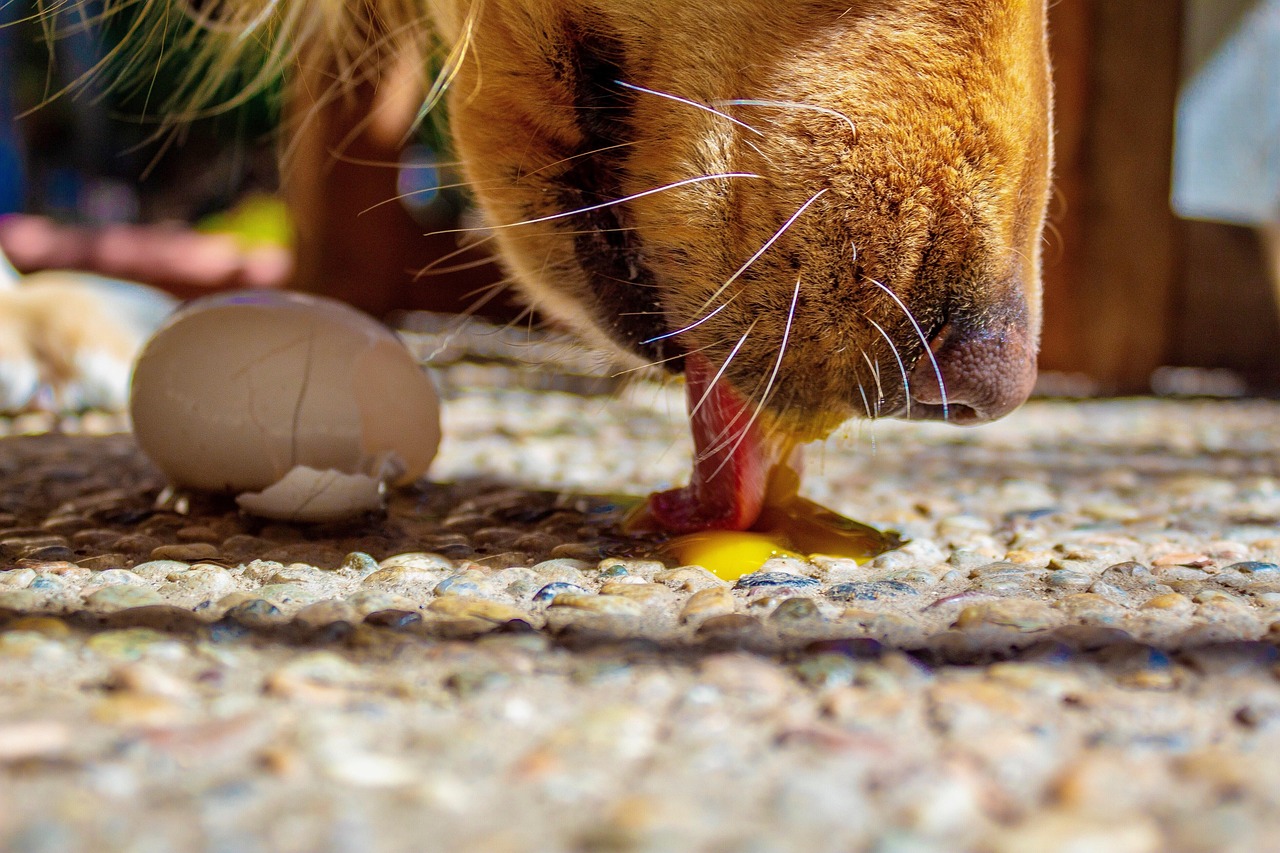
Ensuring your dog has a healthy and vibrant coat often starts with their diet. One of the most effective ways to achieve this is through a raw food diet. This diet mimics what dogs would naturally eat in the wild: raw meats, bones, fruits, and vegetables. The benefits of a raw food diet go beyond just improving coat health; it can also enhance skin condition and overall vitality. Many pet owners have reported noticeable differences in their dogs’ fur quality after switching from processed kibble to raw food. Dog coats tend to be shinier, softer, and less prone to irritation. Furthermore, raw diets often contain essential fatty acids, which play a crucial role in maintaining skin moisture and elasticity. Dogs on a balanced raw diet are also less likely to experience allergic reactions, as their bodies are consuming whole, non-processed foods. Therefore, evaluating your dog’s dietary choices can lead to vast improvements in their coat and skin health. If you’re considering this shift, it’s essential to do thorough research and perhaps consult with a veterinarian familiar with raw feeding.
Another significant benefit of transitioning to a raw food diet is reduced allergens in your dog’s meals. Many dogs experience skin issues, such as itching and inflammation, due to certain additives and fillers commonly found in commercial dog food. Raw foods, on the other hand, eliminate these ingredients, offering a more natural and holistic approach to dog nutrition. By allowing your dog to consume unprocessed meat and organic vegetables, you minimize exposure to chemical preservatives. This reduction in irritants helps alleviate skin problems, leading to fewer visits to the vet. Moreover, the increase in raw food’s nutritional value, compared to processed dog food, can enhance immune function as well. A stronger immune system means your dog is less likely to deal with skin infections or other issues related to poor nutrition. Additionally, the natural enzymes present in raw foods benefit both digestion and coat health. If you’re contemplating raw feeding, start slow by gradually introducing raw items to your dog’s diet to avoid gastrointestinal distress. Always monitor their reactions closely and maintain balance in their dietary nutrients for optimal health.
Essential Nutrients for Healthy Skin and Coat
A raw food diet naturally provides the essential nutrients that contribute to a dog’s beautiful coat and skin. For instance, protein is crucial, as high-quality animal proteins supply amino acids that are fundamental for healthy hair growth and skin integrity. Including a variety of meats such as beef, chicken, lamb, and fish ensures your dog gets all the essential amino acids needed for maximum health. Fatty acids like Omega-3 and Omega-6 are also vital; they enhance skin health and promote a glossy coat. Fish oils are particularly rich in these beneficial fatty acids; therefore, consider adding salmon or sardines to your dog’s diet. Fruits and vegetables in a raw food diet can help provide antioxidants that combat inflammation and promote healing. Foods like blueberries, carrots, and spinach are packed with vitamins that support skin health, controlling dryness. By combining these nutrients, you can help your dog achieve nourished skin and a vibrant coat. Reference quality food sources, and aim for variety, ultimately supporting both health and enjoyment in your dog’s meals.
Another crucial aspect of a raw food diet involves hydration. Proper hydration is key to maintaining skin elasticity and coat health. When dogs consume high water content foods like raw meats and fresh fruits, they receive necessary hydration alongside nutrition. Unlike traditional kibble, which can often lead to dehydration due to the lack of moisture, raw food provides a more balanced hydration source. Additionally, improved hydration can lead to better digestion and absorption of nutrients. When a dog’s body efficiently absorbs nutrients, this creates a stronger foundation for skin and coat health. It’s essential to ensure that raw meals are balanced and hydration is always available. Moreover, supplements might also be considered to boost nutrient intake, especially for picky eaters or dogs with specific requirements. When properly managed, transitioning to a raw food diet can exponentially benefit your pup’s coat and skin appearance, resilience, and overall health. Remember that consistency is key – changes might take time, but persistence in maintaining a nutritious raw regimen will yield fruitful results.
Monitoring Changes in Your Dog’s Health
As you transition to a raw food diet, closely observe both behavioral and physiological changes in your dog. Some potential improvements you’ll want to keep an eye out for include increased energy levels, improved coat shine, and a reduction in skin irritations or conditions. Additionally, regular grooming will become easier as your dog’s skin and fur become healthier due to the enhanced nutrition. Note any changes in your dog’s digestion as well. Some dogs may experience initial digestive adjustments when switching from processed food to raw, but these should stabilize shortly. Consistent, firm stool indicates healthy digestion, which in turn affects overall skin condition, as good gut health is fundamental. Furthermore, taking before-and-after photos can document visible changes in your dog’s coat texture and overall appearance. This can also help solidify your commitment to the raw feeding approach. Should you observe any adverse reactions or skin issues that worsen, consult your veterinarian immediately. Having a trusted professional opinion will ensure your dog remains on the path to optimal health.
Some dog owners worry that transitioning to a raw food diet may be challenging or time-consuming. However, with proper planning and consistent habits, preparing raw meals can become an enjoyable routine. Utilizing appropriate storage options like vacuum-sealed bags or freezer-safe containers makes meal prep easier. You may even consider setting aside specific times for batch prep to save time during the week. Furthermore, learning about various recipes and using commercial raw dog food options ensures variety and nutrition. Explore different proteins and vegetables to keep your dog excited about their meals while ensuring they receive balanced nutrition. Be aware of any potential contaminants when handling raw meats; maintain clean utensils and surfaces during preparation. This helps prevent bacterial infections that may arise from improperly managed food. By staying organized and informed, you can ease your transition into this healthier lifestyle for your dog. The energy gained from dogs feeling better overall is worth the effort as their coat glistens with health, and their skin radiates vitality due to the improved diet.
Conclusion: Embrace the Raw Food Diet
In conclusion, embracing a raw food diet can bring about remarkable enhancements in your dog’s coat and skin health. Given the abundance of nutrients available in raw foods, pet owners can foster healthier, happier pets. This diet addresses both aesthetic and physiological factors, improving overall health and adding vibrancy to their coat. It’s essential, however, to approach this transition mindfully and gradually, paying attention to any reactions your dog may exhibit. Always consult with a veterinarian to tailor the diet to your dog’s specific needs. Ensuring a variety of proteins and vegetables will support complete nutrition while delighting your dog’s palate. With a bit of effort, your companion may experience the transformative benefits of a raw food diet. Improved coat texture, reduced skin conditions, and overall vitality will be your reward. Commit to staying educated about the best practices for raw feeding and relish the joy of a healthier and more vibrant bond with your furry friend. Your dog will thank you with their newfound energy and luminous coat, reflecting the care and effort you’ve invested into their diet.
When it comes to choosing the right raw foods, seek out high-quality sources. Poultry, beef, lamb, and fish from reputable suppliers are essential. It’s also beneficial to add organ meats, which are nutrient-dense and provide canine companions with crucial vitamins and minerals. By including organ meat in your pet’s diet, you enhance the overall benefits, further supporting skin and coat health. Fresh, raw vegetables are vital too; consider options like broccoli, spinach, and carrots, which contribute fiber and essential nutrients. It’s also essential to rotate proteins to prevent allergies and encourage diversity in their diet. You can blend raw foods in creative ways to keep mealtime interesting. Creating balanced meals ensures your pet receives a diverse range of nutrients for optimal health. This attention to diet goes hand-in-hand with regular vet checkups. Consistent veterinary visits are crucial for monitoring health and nutrition. Together, these approaches create a solid foundation for skin and coat care, exhibiting the outer reflection of good health. By prioritizing nutrition and seeking veterinary guidance, pet owners can find the best raw food solutions for their furry family members.