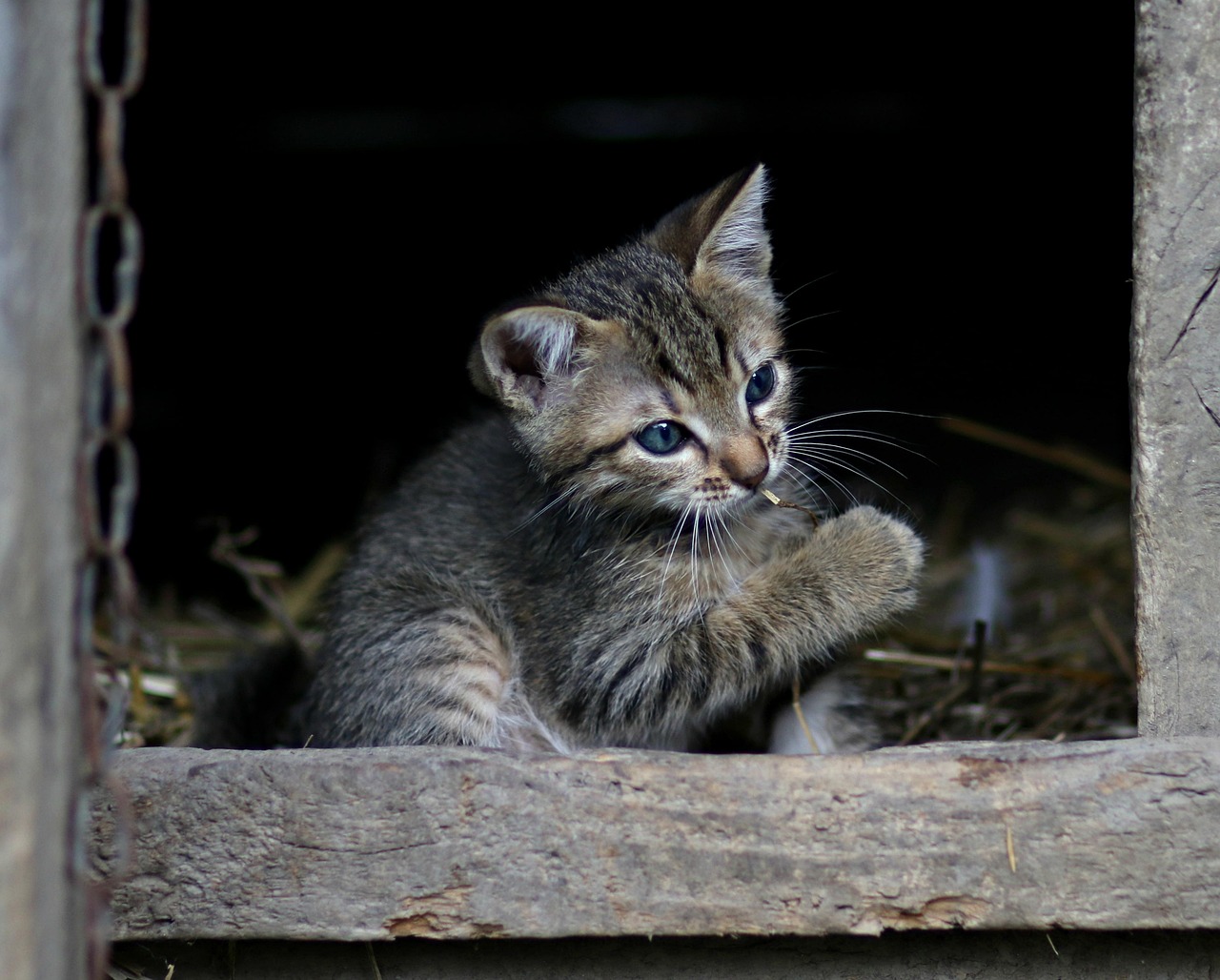

Social Play Vs. Aggressive Play: Understanding Cat Interactions
Understanding feline communication is essential for cat owners. Cats engage in a variety of social behaviors that reveal their emotional state and intentions. Play is a primary means of interaction through which cats learn about social boundaries. Social play typically involves friendliness and cooperative behavior, while aggressive play can foster competition and dominance. Observing these behaviors helps in recognizing a cat’s emotional landscape. Recognizing playful behavior will enhance interactions and ensure a harmonious household. Social play includes behaviors such as chasing, batting at toys, and pouncing, presenting a friendly and inviting atmosphere. On the other hand, aggressive play might manifest through hissing, growling, or swatting, indicating annoyance or discomfort. Owners can promote positive interactions by creating an engaging environment for play, allowing both types to coexist positively. Providing opportunities for social interaction through toys or companionship encourages healthy play. Additionally, cats communicate through body language, which emphasizes the importance of observing posture, tail movements, and ear position during playtime. Understanding these aspects enriches the bond between cats and their owners. A well-socialized cat leads to a more understanding and enjoyable relationship with humans and fellow felines alike.
Social play among cats often reflects their innate instincts. Kittens frequently engage in play by simulating hunting, which fosters crucial survival skills. Adult cats retain this playful nature, displaying behaviors like stalking and pouncing. Social interactions help establish hierarchies and bonds within groups, which is prevalent in multi-cat households. Encouraging social play can serve to alleviate stress and prevent behavioral issues that arise from boredom. Providing a variety of toys, such as feather wands or laser pointers, can stimulate playful exchanges and enhance interaction between cats. Observers should take note of how cats communicate and participate in these games, witnessing intricate dances of feline expression. Also, it’s essential to understand that while some cats may initiate play frequently, others may prefer solitary playtime, which is also normal. Recognizing individual preferences helps foster a comfortable environment for all pets involved. Moreover, social play promotes physical fitness and wellbeing, as cats require mental and physical stimulation to thrive. Owners should embrace this understanding and provide regular opportunities for their cats to engage in these types of interactions. A balanced approach leads to happier, healthier, and more socialized cats overall.
Identifying Signs of Aggressive Play
Aggressive play, while sometimes normal, raises concerns for cat owners. Recognizing the fine line between playful tussling and genuine aggression is critical for safety and emotional harmony. Signs of aggressive play often include slinking, dilated pupils, and sudden bursts of energy. Additionally, auditory cues such as growling or yowling may also indicate that a cat is feeling more aggressive rather than playful. Situations can escalate when boundaries are overstepped, causing one cat to retaliate or disengage. It is vital to intervene when these signs appear. When engaging in play that seems aggressive, it may help to redirect the pet’s attention towards toys or attractive distractions, which can defuse the situation. Owners should ensure that playtime does not escalate into aggressive behaviors that could harm either participating cat. This can be achieved by setting clear boundaries and actively monitoring interactions. Furthermore, owners can also engage in training exercises to reinforce desired behaviors, focusing on gentle play and positive reinforcement. By properly identifying and responding to aggressive play, cat owners can maintain a peaceful atmosphere while still fulfilling their pet’s need for interaction.
Socialization in cats extends beyond play to include various forms of communication. Cats express themselves through a complex mix of vocalizations, body language, and scent marking. Understanding these communication cues helps owners cultivate a supportive environment for their pets, promoting emotional wellbeing. For instance, a cat’s tail position reveals much about their mood. A raised tail usually indicates a friendly demeanor, while a puffed tail signifies fear or aggression. Likewise, subtle vocalizations can convey myriad feelings; a soft purr could suggest contentment, while a hiss may indicate distress. Observing these nuances in behavior empowers owners to meet their cats’ emotional needs efficiently. Engaging in regular, gentle interactions reinforces insecurity and awareness, fostering trust between the pet and owner. Moreover, pairing social play with educational activities can enhance a cat’s social skills and comfort level with other creatures, including humans. This proactive approach nurtures happier, well-adjusted cats who can thrive in diverse situations. By understanding the broader spectrum of cat communication, homeowners can ensure their feline friends feel secure, loved, and engaged as they navigate their social world.
The Role of Environment in Play Behavior
The environment where a cat resides profoundly influences its play behavior. A stimulating environment encourages social interactions and allows creative play behaviors to flourish. Houses featuring various vertical spaces, cozy hideaways, and toys can inspire both social and solitary play. Different textures and challenges, such as scratching posts or climbing trees, augment physical activities, prompting healthier play patterns. In contrast, a cluttered or monotonous environment may lead to boredom and stress, prompting unwanted aggressive behaviors. Owners should assess their spaces to ensure they provide an enriching atmosphere, fostering exploration and playfulness. Furthermore, social group dynamics within the environment affect inter-cat interactions. Factors such as the number of cats, their ages, and their personalities contribute to play styles. Introducing new pets to a household should be approached gradually to ease the acclimatization process, minimizing potential conflicts or aggressive play. Owners ought to allow sufficient time for cats to adjust and explore their environment, facilitating smoother social interactions. By understanding how the environment influences play behavior, owners can create a space that nurtures healthy cats engaged in productive social activities for overall wellbeing.
To wrap up the conversation about social and aggressive play in cats, it’s vital to realize that both play types fulfill different roles in a cat’s life. While social play enhances bonds and promotes healthy behaviors, aggressive play allows cats to explore their limits and express natural instincts in a safe manner. Owners must create opportunities for both types of play while encouraging a stable hierarchy among their pets to mitigate conflicts. Observing their interactions and understanding their cues equips owners with the tools needed to manage playtimes effectively. Building a foundation of trust and communication between the owner and their pet enriches the bond, allowing for enjoyable companionship. Furthermore, learning about these play behaviors can help reduce anxiety or frustration that arises from misunderstandings. Many behavioral issues stem from a lack of awareness regarding feline social structure, which results in less than optimal interactions. By investing time and effort into educating themselves about these behaviors, owners can foster happier play sessions. Ultimately, it is the combination of understanding, patience, and flexibility that ensures a feline-friendly environment supportive of both social and aggressive play, leading to happy, contented pets.
As we conclude our exploration of cat social and aggressive play, it is essential to recognize that education and mindful engagement lead to better relationships. Each cat has its own personality, preferences, and play style, and recognizing these individual traits can immensely improve interactions. Aggressive play shouldn’t be dismissed outright as it serves a developmental purpose that encapsulates a cat’s natural instincts. However, it requires careful moderation and observation. Social play brings joy and relaxation to both cats and their humans, which fosters bonds that are necessary for emotional health. Training and redirection can assist in managing any aggressive tendencies while maintaining the natural playful spirit of cats. Ultimately, the best practices for cat owners revolve around providing diverse stimuli that cater to feline instinctual behaviors while responding promptly to both social and aggressive signals. Additionally, inviting a veterinarian for guidance may further support understanding behavior trends and promoting healthy, playful activities. Engaging with both social and aggressive play can draw out the positive aspects of cat interactions while minimizing stress or conflict. This thorough understanding of cat behavior leads to rewarding experiences for both cats and their humans throughout their lifetime.
Reflecting on the components of cat behavior and their play styles enriches the overall wellbeing of our feline companions. Caring for a cat involves actively participating and understanding their social structures and needs. This holistic approach fosters emotional security and aids in ensuring that both humans and cats thrive together in harmony. Consequently, the insights gained help prevent detrimental behaviors associated with boredom or aggression. Encouraging and participating in playtime can significantly lift a cat’s spirits while strengthening the owner-pet bond. Recognizing signs of stress or aggression is just as crucial in ensuring another cat’s security, leading to a peaceful coexistence. Effective communication will result from observing and responding to the subtle cues that accompany playtime. Some may surprise by realizing a cat’s sarcasm in their interactions since they can be quite expressive. Through fostering an environment of trust, patience, and engagement, cat owners cultivate an enjoyable living situation for all parties involved. Ensuring cats lead stimulated lives promotes both behavioral well-being and physical health. By bringing awareness and knowledge to our interactions, we create lasting relationships, nurturing a fulfilling life filled with love, play, and companionship.