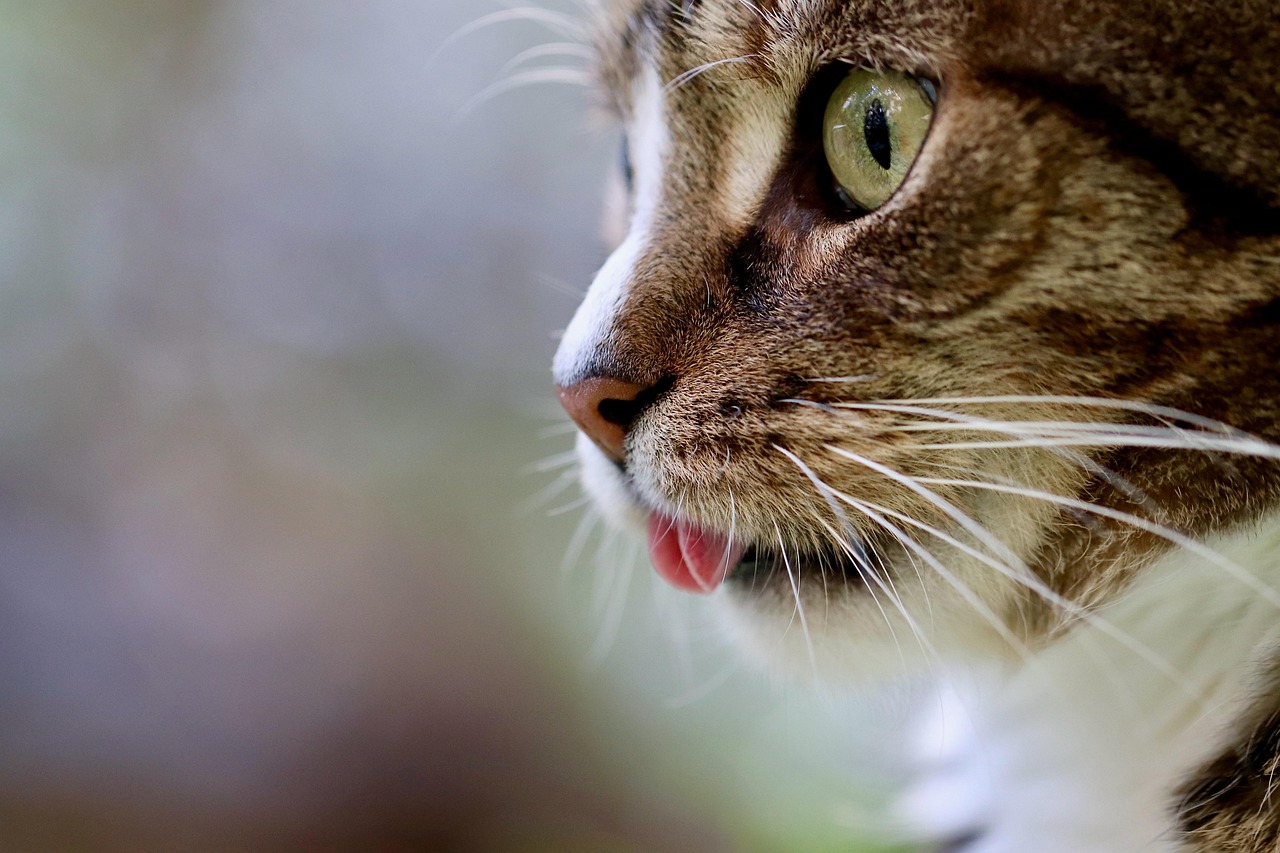

The Emotional Impact on Cats and How to Help Them After Surgery
Spaying and neutering are crucial procedures in cat care that can prevent overpopulation and various health problems. These surgeries, while common, can also have emotional impacts on cats. Post-surgery, a cat may experience discomfort or anxiety, which can manifest in withdrawal or altered behaviors. It’s essential for pet owners to recognize these signs to mitigate any distress their cats may feel. Cats are creatures of habit, and any significant change can unsettle them. To foster a calming environment, make sure your home feels safe and secure. Use quiet spaces and limit interactions with other pets initially. Always monitor your cat’s behavior closely after surgery to spot any prolonged signs of stress. Ensure they have a comfortable resting area, away from noise and disturbances. During recovery, provide plenty of water and food that they enjoy. It’s vital to follow the veterinarian’s guidelines for care during this period. Understanding your cat’s needs after surgery can significantly contribute to easing their anxiety and promoting a smooth recovery, ensuring they return to their happy and playful selves.
One of the most significant emotional impacts on cats after surgery is the potential for anxiety. Cats are naturally wary of changes in their environment or routine. Post-surgery, they may feel vulnerable or unsure, leading to behaviors such as hiding or decreased appetite. To alleviate this anxiety, creating a soothing environment becomes crucial. Using familiar blankets, toys, and even pheromone diffusers can help recreate a sense of stability. On top of that, ensure to limit their movement initially. Keeping your cat in a confined, comfortable space prevents unnecessary stress or injury while they heal. Engage in gentle interactions; soft talking and gentle strokes can provide comfort. Ensure that your home is quiet during the healing process as loud noises can distress them further. Gradually reintroduce them to their usual environment, observing how they adjust. If your cat seems excessively anxious or behaves unusually, don’t hesitate to consult your veterinarian. They may suggest behavioral therapies or other methods to ensure your pet feels safe and secure during recovery.
Recognizing Signs of Distress
Recognizing signs of distress in cats after spaying or neutering is crucial for their well-being. Post-surgery, some common behaviors may signal that something is amiss. These include excessive hiding, vocalization, or aggression. It’s essential to adopt a vigilant approach and note any changes in your cat’s behavior. Body language plays a big role too; a cat with flattened ears, a raised tail, or dilated pupils may indicate anxiety. Equally, loss of appetite or failure to engage in regular activities can be red flags. Understanding these signals allows you to address their needs effectively. Provide reassurance and gentle supervision during the recovery phase, as stress can hinder their healing process. Create an environment filled with love, patience, and understanding to ease their transition. Implementing a routine can also help bring back a sense of normalcy. Gradually integrate regular activities as their condition improves. Keeping them engaged can promote their mood. Offering toys or interactive play when they feel well enough can be beneficial where you can gauge their state progressively.
Creating a stress-free environment is vital for your cat’s emotional recovery post-surgery. Avoid overwhelming them with visitors or loud noises, which can exacerbate any anxiety. Settle them in their designated safe area, preferably a quiet room with familiar scents and items, as it helps them feel less threatened. A comfortable bedding area where they can curl up should be prioritized as well. Some cats enjoy cozy, enclosed spaces that they can retreat to when feeling overwhelmed. Use soft lighting and calm music to help create a soothing atmosphere conducive to relaxation. Maintain a consistent feeding schedule as it helps establish a routine they can rely on. Fresh water should always be accessible, promoting hydration during recovery. Remember, affection should be offered freely, but respect their space if they seem uninterested. It’s crucial to monitor their healing process actively either through observation or a part of your routine interactions. While it may take time for your cat to return to normalcy, being patient is key, as it allows for adequate time to heal both physically and emotionally.
When to Seek Professional Help
It’s sometimes hard to tell whether a cat’s behavior is typical post-surgery recovery or if something is wrong. If your cat displays concerning signs such as persistent lethargy, lack of appetite for more than two days, or unusual aggression, it may indicate complications that require veterinary attention. Additionally, if they attempt to remove their stitches or show signs of distress while touching the surgical site, it’s essential to seek immediate help. Even subtle changes in their behavior that persist over time should not be ignored. Knowledge of your cat’s normal behavior before surgery will help you discern what is unusual afterward. If they seem increasingly anxious, consider discussing it with your vet. They may suggest medication or behavioral modifications to help ease your cat’s transition post-surgery. Keeping a record of their behavior changes can be beneficial during consultations, providing insight into their recovery journey. In any case, don’t hesitate to reach out for guidance; your vet can be a valuable resource in ensuring your pet receives appropriate care and support.
Engaging your cat during recovery can significantly influence their emotional well-being. Simple activities can help distract them, making their healing feel less isolating. After the initial recovery period, start slowly reintroducing interactive toys that stimulate their interest without overexertion. Wand toys or feather toys can effectively engage their hunting instincts. Monitor your cat’s energy levels, incorporating playtime in short bursts to avoid fatigue. This also provides an avenue for bonding; being present with them during play can help reinforce feelings of safety and reassurance. Consider also introducing soothing scents, which some studies suggest can influence a cat’s emotional state positively. Pheromone sprays or diffusers can alleviate stress and promote relaxation. Practicing slow, intentional movements during interactions can signal relaxation and safety. Offering new experiences under your supervision can also boost their confidence gradually. Always cheer them on during attempts to play or explore; positive reinforcement can nurture healthy emotional growth. Ultimately, ensuring regular engagement with your cat creates an enriching environment that can promote faster recovery and emotional well-being.
Conclusion and Final Thoughts
In conclusion, understanding the emotional impact of spaying and neutering on cats is essential for their post-operative success. Being aware of their needs, recognizing distress signs, and creating a nurturing, safe environment are imperative in fostering their emotional well-being after surgery. Engaging them with gentle play and familiar comforts can ease the transition back to their regular routine. It’s equally essential to maintain open communication with your veterinarian regarding any concerns arising post-surgery, especially if your cat doesn’t appear to recover as anticipated. Always prioritize their emotional health alongside their physical healing to ensure a holistic recovery. Patience is key during this time, as each cat may respond differently to surgery. Your understanding and care will make a significant difference in how quickly they return to their joyful, playful selves. By following these guidelines and staying observant, you can help your cat recover fully and prevent heartache in later stages. Choosing to provide that extra love, understanding, and care will contribute immeasurably to their well-being throughout their healing journey.
Ultimately, being a responsible pet owner doesn’t stop at surgery; it extends to nurturing their emotional needs during recovery. The joy of having a cat comes with the responsibility of ensuring their well-being in all aspects, including their emotional health after undergoing spaying or neutering. Building a bond with your feline companion through understanding and patience creates a robust foundation for their future interactions with you and their environment. Cats thrive in consistent environments where their emotional and physical needs are met. Thus, prioritizing their mental well-being during recovery can set a lasting precedent for their behavior and health moving forward. Always strive to be patient and attentive, as these qualities are vital in nurturing a trusting relationship with your cat. Implementing these practices will not only help their recovery but will also enhance their quality of life, deepening the bond you share with your beloved pet. Remember, adopting a cat is a lifelong commitment, and emotional health is just as important as physical health. By embracing this responsibility, you create a harmonious and fulfilling life for both you and your cat.