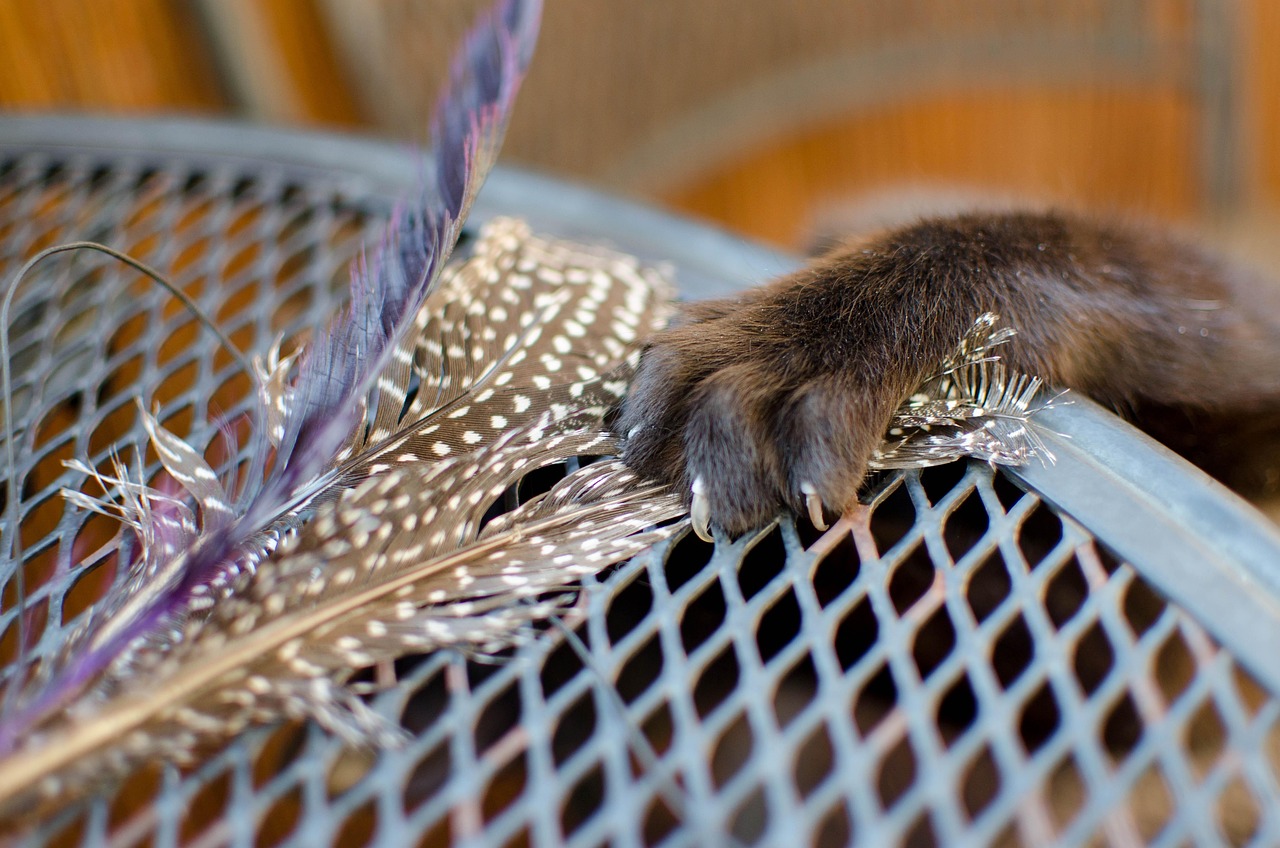

Using Feather Toys to Train Your Cat
Training your cat can often feel like a daunting task, but utilizing feather toys can significantly ease this process. Feather toys are not just fun; they can help enhance your cat’s natural instincts, such as hunting and pouncing. By engaging with these toys, you can foster a positive training environment that encourages your feline friend to learn new behaviors. When introducing feather toys, make sure to select ones that are safe and comfortable for your cat. Opt for lightweight feather attachments that mimic the movement of birds. Using them effectively requires a bit of strategy. Start with short sessions, gradually increasing the duration as your cat becomes more engaged. Always keep the training sessions exciting and rewarding, allowing your cat to experience small successes along the way. By doing so, you’ll build their confidence and keep them interested. Additionally, feather toys can be used to reinforce certain commands or tricks, like teaching your cat to come when called. Overall, incorporating feather toys into training sessions is a fun and interactive way to boost your cat’s learning experience.
Benefits of Feather Toys in Training
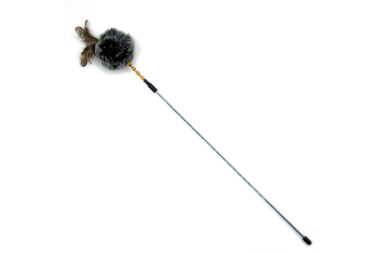
Feather toys provide numerous benefits when it comes to training your feline companions. Firstly, they tap into your cat’s natural predatory instincts, which encourages active participation. The excitement generated by watching a feather toy flutter around mimics the movement of prey, making your cat more likely to engage. This engagement not only stimulates your cat mentally but also provides physical exercise, which is crucial for a healthy lifestyle. Cats are more motivated to learn through play, and using feather toys enables you to combine fun with instruction. As your cat leaps and swats at the toy, you can introduce commands like “sit” or “stay,” thanks to their elevated arousal and focused attention. This toy also helps to build a stronger bond between you and your pet. The shared enjoyment of playtime creates trust and familiarity, making your cat more attuned to your cues. Moreover, the variety of feather toys on the market ensures there’s something for every kitty personality. From interactive wands to self-rolling toys, incorporating feather toys into your routine can lead to a more obedient and happy pet.
To maximize the effectiveness of feather toys during training sessions, consider incorporating some basic tips. Schedule regular playtimes to ensure consistency, allowing your cat to learn that these sessions are part of their daily routine. Always keep training sessions short—aim for around 10 to 15 minutes—to prevent overexertion and maintain enthusiasm. Observe your cat’s responses closely; adjust the toy’s movement to match their interest levels. For instance, if your cat seems bored, try varying the speed and direction of the toy to reignite their interest. Resist the urge to wave the toy continuously; instead, incorporate pauses to mimic prey resting, giving your cat an opportunity to ‘catch’ the toy. Utilize praise generously when your cat performs desired behaviors, making the experience even more rewarding. Remember that patience is key; training doesn’t happen overnight, and every individual cat learns at their own pace. When frustration arises, simply take a break. Ending on a positive note will keep your cat eager for the next training session. With commitment and enthusiasm, feather toys can lead to significant improvements in your cat’s behavior.
Choosing the Right Feather Toys
When selecting feather toys for your cat’s training, consider their preferences and play style to ensure the best experience. It’s essential to choose high-quality toys designed specifically for cats, as they are more durable and safe. Look for options with securely attached feathers to prevent any choking hazards. Some cats enjoy interactive wands, while others may prefer teaser toys they can chase on their own. Multi-textured toys offer more sensory stimulation and can keep your cat entertained for longer. Consider the size of the toys, too; ensure they are suitable for your cat, as oversized toys may be daunting. Consulting reviews and recommendations from other cat owners can help you find reliable products. Online pet stores often provide helpful descriptions and customer feedback, making it easier to find the perfect toy for your feline. Always monitor your cat during playtime to ensure they aren’t ingesting any toy parts. If a toy becomes damaged, replacing it immediately enhances safety. Lastly, rotate your cat’s toys on a regular basis to keep their interest piqued and prevent boredom during training.
Integrating feather toys into your cat’s daily routine can enhance their physical and mental well-being significantly. These toys are an excellent way for your cat to release pent-up energy while engaging in enjoyable play. Schedule short play sessions multiple times a day to keep your cat active and stimulated. Use this time not only for exercise but also as an opportunity for bonding and building trust. Feather toys can help reduce behavioral issues that stem from boredom, such as excessive scratching or aggression. By providing stimulation through interactive play, you can maintain a peaceful environment at home. Encourage your cat to chase the feather toy across the room, promoting leaping and sprinting, which are vital for muscle strength and cardiovascular health. Each time your cat interacts successfully with the toy, reward them with treats or praise. This creates a positive reinforcement cycle, helping them associate training with fun. Be sure to observe how your cat interacts with feather toys over time, as preferences may change. Adapting to these preferences will ensure that training remains an enjoyable and beneficial experience.
Safety Tips for Using Feather Toys
While feather toys can be incredibly beneficial for your cat, ensuring safety during playtime is paramount. Choose toys made from non-toxic materials to minimize health risks if your cat decides to give them a good chew. Additionally, inspect feather toys frequently for signs of wear or damage, such as loose feathers or broken parts. Immediately remove any compromised toys to prevent ingestion hazards. When using interactive feather wands, be mindful of the quality of the string and attachments; avoid long strings that could tangle around your cat’s legs or claws. Always supervise your feline friend during playtime to promptly address any potential mishaps. If you notice your cat becoming overly aggressive or frustrated while playing, give them a break to cool down. It’s important to create a safe play space free from clutter or hazards that could lead to injury. Training with feather toys should be a fun experience, so adapt your playstyle and techniques to ensure your cat feels secure. Making safety a priority during training will enhance the overall experience for both you and your furry companion.
As your cat becomes accustomed to training with feather toys, you can evaluate their progress and adjust accordingly. Keep track of their behavior over time, noting any improvements or challenges. If your cat starts performing desired tricks consistently, you can introduce new commands or activities to maintain their engagement. Variety is key for keeping your cat interested, so consider rotating training routines and introducing different feather toys to the mix. This prevents boredom and motivates your pet to learn. Utilize target training, where you train your cat to touch a specific object with their nose or paw in exchange for their favorite toy. This method engages their intellect and strengthens the training process. Implementing short tricks and introducing obstacles can add complexity, allowing your cat to develop new skills. Finally, remember to celebrate your kitty’s achievements, no matter how small. Positive reinforcement helps to solidify learning and fosters a healthy training atmosphere. Feather toys are not just tools for training; they are avenues for building a lasting bond with your cat through fun and engaging interactions.