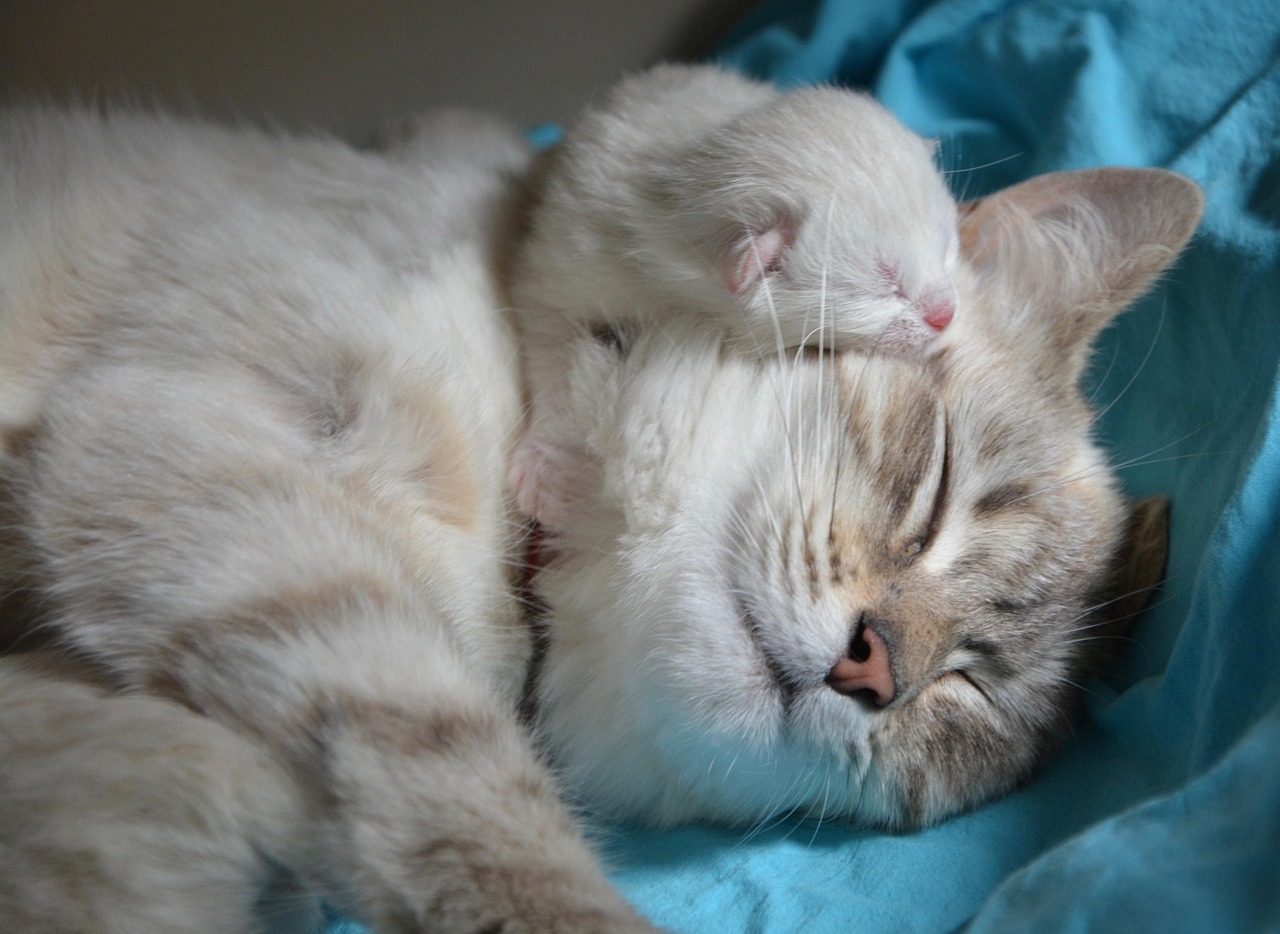

The Role of Mother Cat in Kitten Social Development
The mother cat plays a crucial role in the social development of her kittens, particularly during their early weeks. Kittens are born blind and deaf, relying entirely on their mother for care and learning. Through interactions with their mother, they begin to understand social cues essential for their future behavior. The kittens engage in play and grooming with their mother, which teaches them boundaries and acceptable conduct in feline society. Observing how their mother responds to different stimuli helps shape their reactions to success and failure. This early socialization is vital, as it permits kittens to develop essential communication skills. The mother cat models social behaviors, including vocalizations and body language, encouraging her kittens to respond appropriately. During the weaning process, the mother also introduces her kittens to solid food, gradually transitioning them away from milk. This transition is pivotal not only for nutrition but also for meta-socialization experiences involving other cats. As the kittens grow, they participate in cooperative play with their siblings, further reinforcing their social structures. Through these interactions, kittens learn how to form and maintain relationships with other animals, promoting healthy social behavior.
Moreover, the mother cat is instrumental in teaching her kittens critical play skills. For instance, when kittens engage in play fighting with their mother, they not only hone their physical abilities but also explore their limits within safe parameters provided by their mother. These moments are essential for developing ambulation and coordination. Playtime fosters confidence while allowing kittens to practice reactions to potential adversities. The mother will intervene if she feels the play becomes too rough, thereby teaching them boundaries through her behavior. This direct interaction dramatically impacts their emotional growth by providing emotional security that they will carry into their adult lives. Furthermore, a mother’s social behavior serves as a blueprint for her kittens in recognizing both friendly and threatening gestures from others, which can be vital for ensuring their safety later in life. As they age, the role of the mother cat shifts, and her guidance turns into encouragement for independence. This gradual transition motivates the kittens to establish own identities while still relying on her wisdom. By practicing her taught skills, kittens become well-adjusted adult cats, equipped to face the varied social demands of their environment.
Understanding Kittens’ Play and Exploration
The aspects of play and exploration experienced under the guidance of their mother are essential for kittens’ social and behavioral health. As kittens begin to explore their surroundings, they utilize their mother as a reference point, returning frequently for comfort and security. This behavior illustrates the essential bond formed between the kittens and their mother, who ultimately serves as a model for exploration and curiosity. Mother cats will often lead their kittens to various spaces and expose them to new environments. These experiences help the kittens develop adaptability and confidence. A nurturing mother will gently coax her kittens to approach unfamiliar objects, instilling a willingness to investigate different stimuli. Such exposure not only broadens their understanding of the world but also teaches them how to cope with new encounters. This allows kittens to forge emotional fortitude while also laying the groundwork for healthy behavioral interactions with humans and other animals in the future. The experiences they gain through these early explorations prove critical in molding social dynamics, contributing to a well-rounded and confident adult cat.
During this critical stage, the mother cat also plays a pivotal role in teaching her kittens valuable communication skills. Through her vocalizations and body language, she expresses a range of emotions and signals important cues that guide the behaviors of her young. By observing their mother’s interactions, kittens learn how to communicate effectively with one another and with other animals. This skill is key for establishing social hierarchies within their environment and can aid in avoiding conflicts later in life. Mother cats will often display assertiveness when necessary, which teaches her kittens about the expectations of social interaction. Besides vocalizations, the use of touch and scent further enriches this learning process. For instance, during nursing, the mother will purr softly, lending comfort that fosters a sense of security for her kittens. As adult cats, they can later use similar communication styles with both peers and humans. Gradually, these lessons culminate in a well-rounded understanding of social behaviors that will serve them throughout their lives, contributing to their overall welfare.
Creating Independent and Social Cats
As the mother cat nurtures her kittens during their formative weeks, she prepares them for eventual independence. The lessons learned during these stages lay the foundational blocks of confidence and social ability. Kittens that receive adequate socialization and maternal guidance typically thrive in multi-cat environments, while those with limited exposure may struggle and exhibit behavioral issues. Eventually, as kittens approach weaning, their mother encourages them to explore the world without her presence. This gradual shift represents a crucial transition from reliance to independence, challenging the kittens to apply their learned skills in real-world situations. As they venture out, they begin to engage with their siblings, cultivating important social bonds. During this exploration phase, kittens learn to establish boundaries and negotiate playtime with their peers. This peer interaction is essential in honing their social skills as they navigate complex relationships within their community. A supportive mother cat will monitor these developments, interceding as necessary to promote healthy interactions among littermates. This nurturing environment, provided by the mother, ultimately molds the kittens into balanced, socially adept adult cats.
In addition to promoting playfulness and independence, the mother cat also instills in her kittens essential grooming habits. Grooming is a vital aspect of feline socialization and personal care, showcasing both hygiene and social bonding. Kittens observe their mother as she licks her fur meticulously, recognizing the importance of maintaining a clean appearance. This behavior is crucial in developing appropriate self-care routines they will carry into adulthood. The kitten’s first grooming attempts often mimic the actions of their mother, emphasizing the importance of social learning. Moreover, maternal grooming serves to strengthen the bond between mother and kittens, as grooming is also a way for cats to express affection. As the kittens mature, they begin to groom each other, further establishing their bonds while reinforcing social behavior within their litter. This practice teaches them empathy and patience, which are valuable during their interactions with other cats in the community. Creating a supportive environment where kittens flourish through social learning ultimately ensures they become well-adjusted and healthy cats in society.
The Lifelong Impact of Maternal Influence
Ultimately, the mother cat’s role in shaping her kittens’ social development is profound and lasting. The lessons and experiences they gain early on significantly influence their interactions throughout their lives. A kitten’s formative experiences with their mother during 2 to 9 weeks constitute crucial development, setting the stage for how they will relate to humans and fellow felines alike, often defining their temperament and sociability. For instance, kittens raised in a nurturing and social environment are generally more likely to display friendly behaviors as they mature, eagerly approaching new experiences and forming bonds. This well-rounded upbringing promotes adaptability and confidence, leading to a healthier and more fulfilling life. Conversely, those who lack maternal guidance may exhibit fearful or aggressive tendencies, struggling with social interactions in various environments. Understanding the mother cat’s significance in this realm emphasizes the need for responsible breeding and socialization practices. As caretakers, fostering a nurturing environment is essential, ensuring kittens grow into well-balanced adults. By advocating for the wellbeing of mother cats and their litters, we can positively impact the future of our feline friends.
The impact of good maternal care can significantly enhance kitten healthcare. The mother cat not only provides essential nutrition but also basic health awareness through her behavior. Kittens observing their mother’s grooming habits learn the importance of hygiene and parasite control early in life. A mother cat will also teach her kittens how to exhibit signs of discomfort or illness through vocalizations and body language. This skill is crucial as it enables them to communicate their needs effectively in the future. For better health outcomes, it is essential for future cat owners to understand the foundation established during these early weeks. Kittens from a nurturing background are more likely to adapt to veterinary care seamlessly as they have learned to trust both their mother’s protection and human caretakers alike. In summary, the mother’s role transcends mere sustenance, encompassing emotional care, social learning, and health education. Through her affectionate guidance, she helps shape not only their behavior but also their health prospects. This interplay of care during a critical development window ultimately sets the groundwork for a well-adjusted cat that thrives socially and physically in their environment.