
The Role of Natural Fibers in Cat House Comfort and Safety
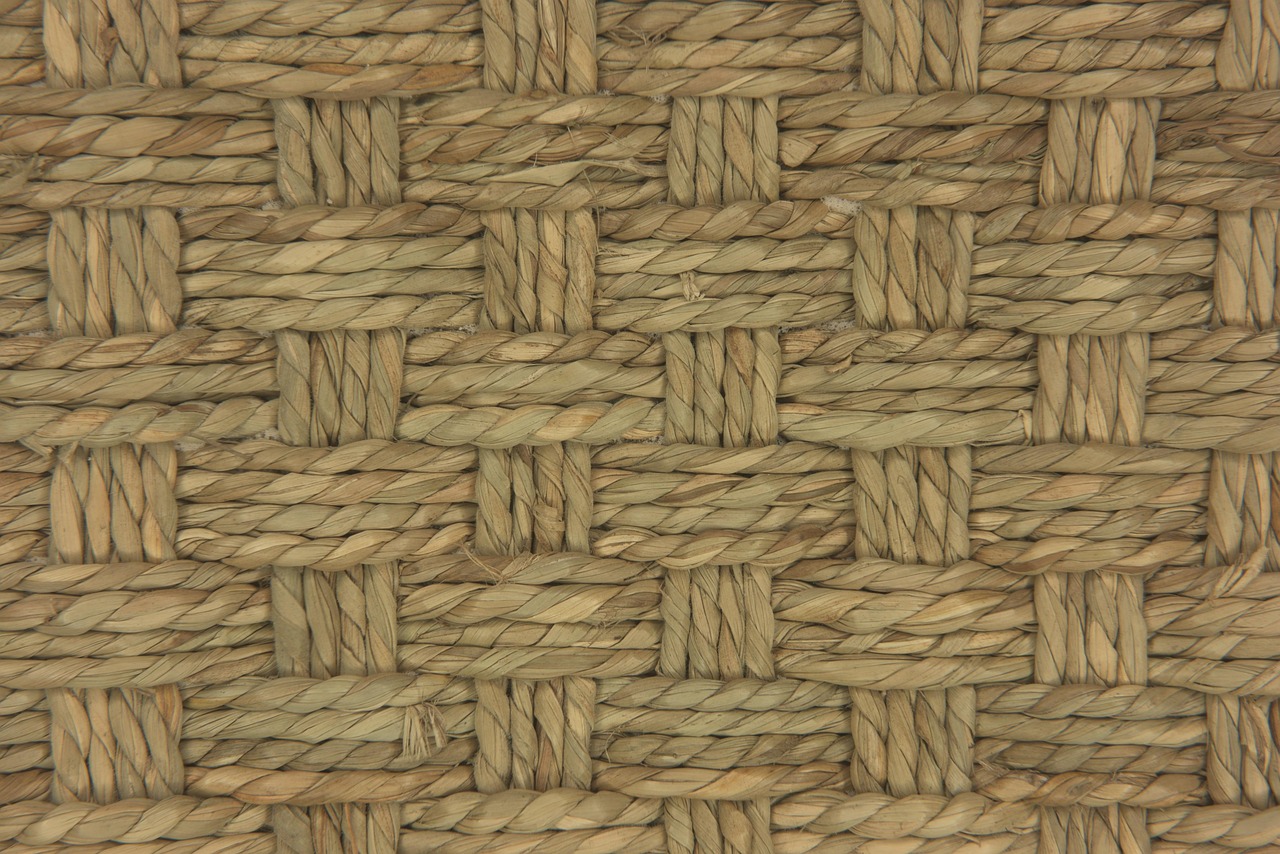
The importance of choosing the right materials for cat houses cannot be overstated, particularly when considering the comfort and safety of our feline friends. Natural fibers such as cotton, wool, and sisal hold distinct advantages over synthetic alternatives. They are breathable, allowing good air circulation and maintaining a comfortable environment for cats. Additionally, natural fibers are often softer, ensuring the surfaces inside the cat house are cozy for resting. It is also crucial to consider the durability of materials. Natural fibers tend to wear better than their synthetic counterparts, withstand scratching and clawing effectively, extending the longevity of cat furniture. Furthermore, these materials are generally less toxic, providing a safer space for pets. Cats are known for their playful and curious natures, so ensuring their environment is safe is essential. Since natural fibers biodegrade faster than synthetic materials, they are more eco-friendly choices. In conclusion, integrating natural fibers into cat houses contributes significantly to the well-being of cats while aligning with sustainable choices in pet care.
Natural fibers also play a significant role in regulating temperature in cat houses. The insulating properties of materials like wool help keep cats warm in colder months while remaining comfortably cool during summer heat. This adaptability ensures that your pet has an appropriate shelter year-round, which is vital for their overall health. Poor temperature control can lead to stress for pets and can even cause health issues, including hypothermia or heatstroke. By selecting various materials known for their temperature-dynamic properties, owners can customize a cat house for maximum comfort. Moreover, the textures of natural fibers provide sensory stimulation for cats, encouraging lounging, scratching, or playing activities. This not only enhances their comfort but also supports their natural behaviors. Owners looking to improve their pets’ spaces should consider the inclusion of elements like wool blankets, cotton cushions, or sisal scratching posts. The diversity of natural fiber materials allows for creativity when designing a cat house. Additionally, easy maintenance and cleaning of these materials further contribute to their appeal, making them practical choices for pet owners.
Health Benefits of Natural Fibers
Natural fibers provide various health benefits for cats. Many cats suffer from allergies or sensitivities to synthetic materials. By opting for natural fibers, pet owners can reduce the risk of triggering adverse reactions from allergens present in artificial fabrics. Materials like organic cotton can also contribute to better indoor air quality, as they do not emit harmful VOCs, promoting a healthier living environment. Safety is another critical aspect when considering cat house materials. Natural fibers are less likely to contain harmful chemicals often found in their synthetic counterparts. This reduces health risks associated with exposure to toxic substances. Furthermore, natural fibers are typically more fire-resistant than synthetic ones, which adds an additional layer of safety. When selecting materials for a cat house, the focus should be on quality and sustainability. As conscious consumers, it’s essential to choose certified organic or sustainably sourced materials whenever possible. Not only does this help safeguard the planet, but it also ensures that cats have a safe and comfortable space to enjoy. Supporting sustainable brands can also have a positive impact on overall pet health.
The aesthetic appeal of natural fibers is another factor to consider when designing a cat house. Natural and earthy designs promote a calm and inviting atmosphere both for cats and their owners. A well-placed cat house made from natural fibers can seamlessly blend into home decor, making it a stylish addition rather than an eyesore. In contrast, many synthetic materials can look cheap and clash with existing furnishings. Offering choices like woven wool or wooden frames can elevate the design of the cat’s space. Additionally, the variety of colors and textures available in natural fibers mean that owners can pick styles that reflect their personal taste while catering to the preferences of their pets. Incorporating natural fibers not only benefits the cat’s experience but enhances the aesthetic of the home. Furthermore, the tactile interest provided by different materials can enrich the environment for your cat. They are more likely to engage with their surroundings when surrounded by diverse textures. Choosing natural fibers allows for creative expression and promotes a positive living experience for everyone.
Recommendations for Cat House Materials
When selecting materials for your cat house, consider a combination of properties that cater to comfort, safety, and aesthetics. Opt for organic cotton for bedding, as it is soft, breathable, and hypoallergenic. Wool makes a great insulating layer due to its excellent temperature regulation features. For structural elements, materials like untreated wood or bamboo provide durability and safety. These materials are also sustainable choices and can resist scratching. Avoid synthetic fabrics like polyester, which can cause discomfort and do not breathe well. Moreover, ensure that any adhesive or treated material is pet-safe, as exposure to harmful chemicals can severely affect your cat’s health. Regular maintenance is vital; natural fibers typically require washing to prevent build-up of dirt or allergens. Routine inspections can reveal any signs of wear, ensuring continued safety for your pet. If your cat enjoys scratching, incorporate sisal, as it is durable, provides a natural outlet for their instincts, and adds texture. Prioritize comfort and safety while embracing sustainable materials when crafting the ideal cat house environment.
In addition to the discussed materials and safety, enrichment in the cat house can greatly benefit your feline companion. Cats need mental and physical stimulation, and incorporating natural fibers plays a significant role in promoting these aspects. For example, you can design areas within the cat house that encourage climbing or scratching. These structures can be made from natural materials like sisal for scratching posts or natural logs for climbing frames. This will provide various textures for your cat to explore while ensuring durability. Toys made from organic cotton or wool can also offer added enrichment while being safe for chewing and playing. Interactive elements not only keep cats entertained but also prevent destructive behavior in other areas of the house. Balance comfort and stimulation when designing the playful environment in a cat house. With thoughtful design, owners can create spaces that support energetic play while providing cozy spots for rest. Never underestimate the importance of play and exploration, as these activities contribute to a cat’s overall happiness and health.
Finally, as people become more aware of how housing choices affect pets, trends have shifted towards natural and eco-friendly solutions. Creating cat houses using natural fibers provides a more humane and health-conscious option. It’s critical to involve everyone in the family in this process, so they understand the decision’s significance for your cat. Encourage discussions about possible design ideas and involve children in selecting materials. This can help foster a deeper connection with pets and promote responsibility in caring for them. Additionally, educating oneself about the sources and impacts of various materials benefits not just our pets but contributes to greater environmental health. Promotions, community initiatives, and workshops regarding sustainable pet care materials can enhance awareness significantly. Creating cat houses from natural fibers helps mitigate environmental footprints, thus aligning our pet care choices with a more extensive commitment to sustainability. Overall, taking natural fibers into account presents multifaceted benefits: aesthetic charm, comfort, safety, and a commitment to sustainable living. Thus, consider the environment while ensuring a safer and better place for your beloved pets.
Natural fibers are growing in popularity for cat house construction due to their versatility and numerous benefits. Their incorporation into pet housing is a reflection of our evolving attitudes toward pet comfort and environmental responsibility. When we prioritize materials that promote well-being, we not only improve our pets’ lives but also contribute positively to our planet. Being mindful of what types of materials are used in our pets’ homes is essential, as it reflects our care for their safety and comfort. Through continuous education on this subject, we can make better decisions for their environments. From improving air quality to offering safe surfaces to lounge on or play with, natural fibers enhance every aspect of a cat’s housing experience. By embracing these choices, you elevate not merely a cat house, but create a wholesome habitat that caters to their innate needs. Future trends in pet care are leaning toward sustainable practices, emphasizing the importance of choosing natural materials. This not only benefits our pets but resonates with the values of responsible pet ownership. Therefore, consider the long-term benefits of natural fibers in designing cat houses that prioritize comfort, safety, and sustainability.