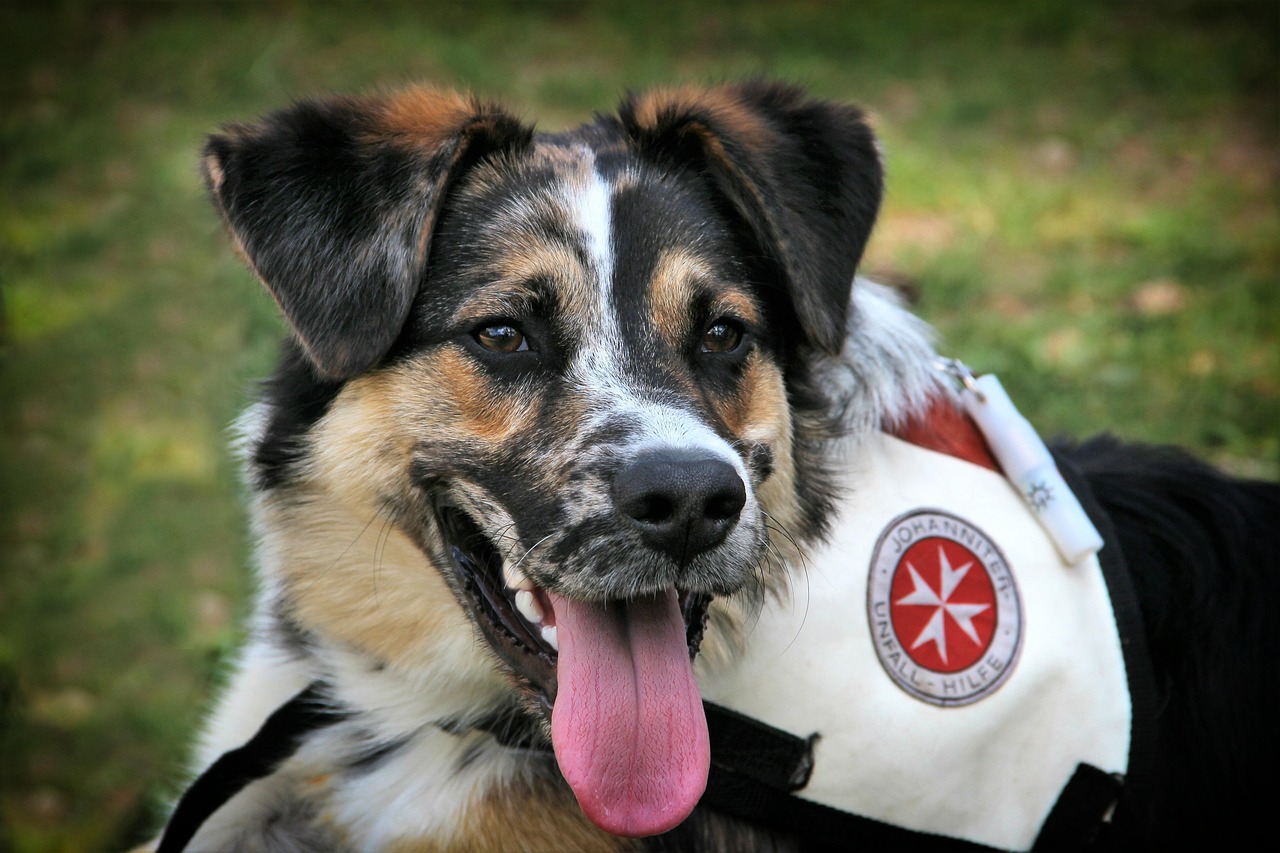

Training Tips for Dog Rescue Volunteers
Volunteering in dog rescue can be incredibly rewarding. It is essential for volunteers to undergo proper training to ensure they effectively support both the dogs and the organization. Training programs often include instruction on dog behavior, safety protocols, and humane treatment practices. Understanding canine body language is crucial so that volunteers can recognize signs of stress or discomfort in the dogs they work with. Additionally, early exposure to different environments helps dogs adapt during their transition to new homes. Familiarize yourself with different breeds and their unique needs; this knowledge can be invaluable when connecting with potential adopters. Working in pairs can be helpful, as you can learn from each other and provide mutual support while handling dogs. Always prioritize the safety of both the volunteers and the dogs by following guidelines and techniques taught during training sessions. Moreover, stay updated with continual education opportunities to expand your knowledge and improve your skills as a rescue volunteer. It’s also beneficial to engage with seasoned volunteers who can share firsthand experiences and specific tips on handling various situations in the rescue environment. Overall, effective training helps create a humane and loving experience for the dogs.
Effective communication is key for dog rescue volunteers to cultivate a supportive atmosphere. Establishing a relationship with the dogs fosters trust and encourages them to open up. Use positive reinforcement techniques during training to motivate the dogs while enhancing their learning process. Training the dogs in basic commands is crucial, enabling them to respond positively in various situations. Basic commands like ‘sit’, ‘stay’, and ‘come’ can facilitate smoother interactions. Additionally, volunteers should practice consistent commands and rewards to reinforce desirable behaviors. Refer to resources like ASPCA or Humane Society for guidelines on effective training methods. Additionally, familiarize yourself with crate training, which provides a structured environment for the dogs. Consistency in daily routines helps these animals feel secure, contributing to their overall well-being. Not only does this structure benefit the dogs, but it also creates a predictable volunteering experience. Be patient with the dogs; no two animals learn at the same pace. Dealing with setbacks or challenges is part of the process, and maintaining a positive attitude is essential. Your patience and persistence can help rehabilitate these dogs into happy and adaptable pets.
Understanding Dog Behavior
Every dog has a unique personality and background that influences its behavior. Understanding these factors can significantly enhance a volunteer’s effectiveness in the rescue environment. It is imperative to approach each dog as an individual, assessing their past experiences, fears, and preferences. Utilize exercises in socialization both with people and other dogs to help familiarize them with their new surroundings. Be observant of their body language and vocalizations, as these can indicate how they are feeling. Knowledge of breed tendencies offers additional context; for instance, some breeds may be more prone to anxiety, while others are more outgoing. Implementing tailored strategies to accommodate each dog’s needs fosters an environment where they can thrive. Joining a local training group or attending seminars can improve a volunteer’s understanding of various breeds and behavioral cues significantly. It is also beneficial to conduct regular play sessions, which promote physical and mental stimulation while nurturing positive relationships. Building a bond requires effort and dedication, but the emotional rewards from connecting with a dog in need are immeasurable, making all the time and resources devoted worthwhile.
The welfare of the dogs is closely tied to the collaborative nature of the volunteering community. Building strong relationships with fellow volunteers enables information sharing and fosters camaraderie. Attend regular meetings where you can discuss experiences and share solutions to challenges encountered in the field. This network becomes an invaluable resource when volunteers share tips related to dog training techniques or common behavioral challenges. Another aspect of effective collaboration involves being transparent with each other regarding the well-being of the dogs, especially if there are noticeable behavioral changes. Supporting one another can also reduce burnout and fosters longevity among volunteers in the rescue community. From informal gatherings to structured events, engaging in community-building activities strengthens the foundation upon which successful dog rescue initiatives are built. Volunteering for dog rescue often requires flexible schedules, which can be challenging. Therefore, every volunteer must communicate their availability effectively, keeping the team informed. Respecting others’ time and commitments is crucial; successful teamwork relies on mutual respect and understanding. Together, volunteers can create an effective and harmonious environment that ultimately benefits the dogs.
Engaging with the Community
Community engagement plays a pivotal role in enhancing the reach of dog rescue initiatives. Volunteers can educate others about their mission by hosting workshops or participating in local events. These events provide opportunities to showcase available dogs, not just for adoption but also to promote responsible pet ownership. Creating informative pamphlets and brochures to distribute during community outreach helps raise awareness about pet care matters. Use social media platforms to share success stories, encouraging potential adopters to adopt from a shelter. Educational materials can address issues like spaying and neutering, nutrition, and training resources, aimed at promoting informed decision-making among pet owners. Volunteers should actively encourage the public to consider adopting rescue dogs, stressing how these animals can bring joy and companionship into their lives. Collaborating with local businesses can also support fundraising efforts that benefit the rescue organization. For example, hosting adoption drives at pet supply stores can generate excitement about the dogs available for rescue. Ultimately, a thriving community engagement approach can attract much-needed support for dog rescue efforts and contribute to the overall success of the initiative.
Consistent self-care is crucial for volunteers engaged in the emotional labor of dog rescue. Caring for neglected or abused animals takes an emotional toll, and volunteers routinely face challenges that can be disheartening. It is highly recommended to establish a self-care routine that includes regular physical activity, social connections, and adequate rest to rejuvenate and maintain mental health. Encourage interaction with peers who share similar experiences; this can create a support network in which volunteers motivate and uplift one another. Moreover, recognizing when one feels overwhelmed is essential. Don’t hesitate to seek help from fellow volunteers or supervisors. Addressing stress levels must be prioritized for long-term engagement in the rescue community. Incorporate mindfulness practices such as meditation, yoga, or journaling to help manage emotional fatigue effectively. Understanding personal limits encourages mindful volunteering that can rejuvenate one’s spirit. Lastly, engaging in activities outside of dog rescue can also provide a refreshing balance, helping volunteers return to their efforts more energized and focused. By prioritizing mental wellness, volunteers can sustain their dedication and passion for helping dogs in need.
Conclusion and Next Steps for Volunteers
In conclusion, the journey of volunteering in dog rescue is rewarding yet demanding. Understanding canine behavior, effective communication, and community engagement can make a considerable difference in a dog’s transition to a new home. Continuous training and collaboration among volunteers leads to enriching experiences for everyone involved in the rescue mission. Building solid relationships with fellow volunteers fosters a supportive environment where learning and sharing thrive. It is imperative that self-care remains a priority, limiting the emotional impact on volunteers; renewal leads to enhanced effectiveness. Volunteers should look actively for ways to keep their skills and knowledge current. Joining local organizations and taking part in workshops will facilitate ongoing education. Be proactive in sharing knowledge and resources with others as this benefits the entire community. Encouragement and support for one another lead to inspiring achievements, showcasing the importance of teamwork. As you move forward from here, remember that every effort, no matter how small, contributes to a larger vision of rescuing and rehabilitating dogs in need. Your role is vital; together, we can create a compassionate future for dogs searching for loving homes.
Overall, every accomplished task reflects the dedication and commitment of volunteers. Your continued efforts can enhance the lives of these dogs and positively impact the community. Embrace the opportunities that come your way, and cherish the experience of being a part of something greater than yourself.