
Understanding Service Animal Certification for Different Dog Breeds
Service animals play a crucial role in assisting people with disabilities. The certification of service animals varies across breeds and jurisdictions. Understanding the requirements for certification is vital for pet owners seeking to ensure their dogs qualify as service animals. In general, service animals must be trained to perform specific tasks related to a person’s disability. This training is distinct and should be documented properly based on established legal standards. Recognizing the definition of what constitutes a service animal is essential. Specifically, under the Americans with Disabilities Act (ADA), service animals are defined as dogs that are individually trained to do work or perform tasks for people with disabilities. Emotional support animals and therapy dogs differ from service animals, which is important for owners to understand. When seeking to certify a service animal, it’s imperative to identify the fundamental tasks your dog can perform that directly assist with your disability. This information helps streamline the application process. These tasks may include guiding individuals who are visually impaired or alerting others when the handler has a medical condition, like seizures.
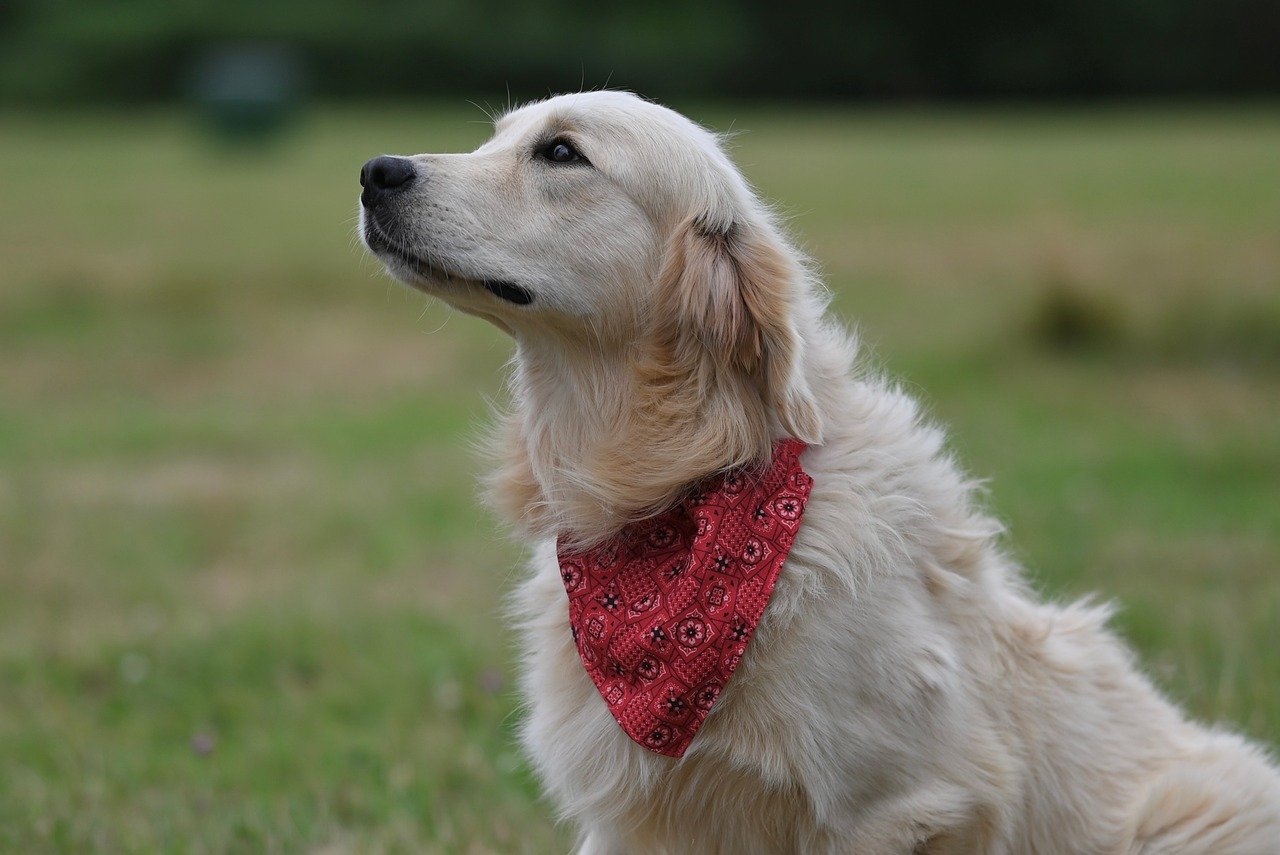
Obtaining service animal certification involves a series of considerations and steps tailored to specific breeds. The most common breeds serving as service animals include Labrador Retrievers, Golden Retrievers, and German Shepherds. These breeds are large enough to perform a variety of tasks while being gentle in nature. Additionally, they tend to possess the temperament required for effective service. Other dog breeds, such as Poodles and Doberman Pinschers, can also serve effectively, depending on the individual dog’s training and temperament. While there are guidelines, there are exceptions based on the individual dog and their skills. The approach to certification can differ significantly depending on local laws and regulations. Some regions require formal assessments, or proof of training, while others may have fewer requirements. It is essential to verify the specific local laws regarding service animals prior to beginning the certification process. Organizations often exist to assist with training and certification, making it easier for owners to navigate this journey. Additionally, always research and identify reputable organizations that specialize in service animal training to ensure compliance with legal standards for certification.
Training Requirements for Service Animals
Training is a pivotal aspect of the certification process. For a dog to be deemed a service animal, it must undergo specialized training focused on obedience and public access skills. Training programs often emphasize several key areas to ensure the animal can perform necessary tasks. The most prominent aspects include socialization, obedience, and public behavior. First, the dog must learn how to behave appropriately in various public settings without becoming distracted. The training process should also include exposure to desensitization techniques that help them adapt to crowded environments. Furthermore, the tasks performed by the dog must directly relate to the individual’s disability, highlighting the importance of task-specific training. Furthermore, trainers should use positive reinforcement methods to encourage desired behaviors, making the experience enjoyable for the dog. This method fosters a bond between the handler and the dog while ensuring effective responses to commands. Prospective handlers should work with professionals skilled in certification and behavior. This step is crucial to prepare for specific challenges that may arise during public interactions when the service animal is in action, ensuring successful outcomes.
Moreover, it is vital to recognize the distinction between service animals and emotional support or therapy pets. Emotional support animals, while valued for their companionship, do not have the same legal protections under the ADA. These distinctions impact how the animals are treated in public spaces and housing settings. Owners of emotional support animals require different documentation to validate their role. Thus, it is crucial to understand the limitations and rights associated with service animals primarily focused on physical disabilities. Owners need to be aware of this difference to ensure they do not misrepresent their animal, which could lead to complications or legal issues. The terms of interaction, particularly in public areas, may differ in accessibility between certified service animals and emotional support animals. To strengthen the case for a service dog, the appropriate training and certification must be sought, highlighting the fundamental differences between these categories of support animals. Should legal issues arise, clarity regarding the dog’s training status and time spent training for specific tasks is key to managing circumstances effectively.
Legal Protections for Service Animals
Service animals are entitled to specific legal protections under federal law. The most notable protection comes through the Americans with Disabilities Act, which allows service animals significant access to public spaces. This access includes restaurants, hotels, airplanes, and public transportation. The law provides that businesses cannot discriminate against individuals with disabilities by denying access to their service dogs. However, employees and business owners may ask two questions to ascertain the necessity of the animal. They can inquire if the dog is a service animal required due to a disability and what tasks the dog has been trained to perform. These inquiries must be handled delicately, respecting the privacy of the service animal’s handler. Breaching these rights can lead to repercussions for the business or establishment involved. Understanding one’s legal rights and responsibilities as a handler is fundamental to enjoying the benefits granted by the law. That said, it is important for dog owners to carry any certification documentation when entering public spaces to avoid potential misunderstandings and delays while asserting their rights.
Additionally, state laws may have different provisions regarding the rights of service animals. While federal law sets the baseline, some states extend additional rights or provide their own definitions that may include a broader range of assistance animals. Therefore, it is crucial for owners to familiarize themselves with their specific state laws, as these vary widely and can impact transportation, housing, and employment rights. In instances where a service animal falls under state regulations near public facilities, there may be imposed limitations or requirements for local compliance. For example, certain breeds may have restrictions based on local ordinances. This understanding is important for both clarity and compliance. Owners should seek guidance from local advocacy groups or legal counsel to ensure they remain informed about both state and local regulations surrounding service animal access. Awareness of these laws not only protects the rights of the owner but also enhances public understanding of service animals’ roles. Dog owners will often find varied interpretations of what constitutes a service animal, fostering the need for thorough knowledge about the relevant regulations applicable to their location.
How to Choose the Right Breed for Service Work
Selecting the right breed for service work fundamentally affects the success of training and certification. Some breeds possess inheritability that makes them more suitable for specific tasks related to service work. For example, retrievers are known for their friendly demeanor and willingness to learn and assist their handlers with various tasks. They have a natural affinity for people, making them a popular choice. Additionally, certain working breeds like German Shepherds exemplify strong protective instincts, which enable them to assist people needing guidance and safety. Always consider the individual dog’s personality, energy levels, and temperament before making a decision. While researching breeds, potential handlers should also consider the lifelong commitment required from both the handler and the dog. A successful service animal must bond with the handler, promoting effective working relationships. This bond can significantly influence the dog’s ability to perform expected tasks and responsibilities competently. Furthermore, ensure adequate training for both the handler and the dog to work harmoniously together.”
In conclusion, service animal certification is a multifaceted topic that requires thorough understanding and consideration of multiple factors influencing individual dog breeds’ suitability. Owners need to comprehend the unique requirements imposed on service dogs under local and federal law, paving the way for successful certification. Furthermore, once certified, the handler and their service animal must maintain ongoing training practices to refine existing skills and evolve as needs change. Additionally, being aware of the differences between various types of assistance dogs can help ensure compliance and proper training emphasis is placed on relevant skills. Service animal handlers also benefit from the strong community of support available through advocacy groups. Engaging with these communities provides valuable resources that can enhance the experience of pairing a dog with its handler. The support can be invaluable throughout the dog’s working life. Ultimately, informed decisions taken during the selection, training, and certification process provide the best outcomes, benefiting both the animal and handler alike. As we work towards understanding the vital roles service animals play, we contribute to a more accommodating society for individuals with disabilities who rely on these remarkable companions for assistance and support.