
Balancing Safety and Socialization for Dogs in Open Rural Spaces
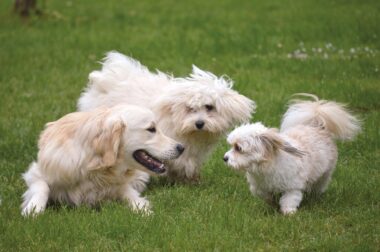
Socializing dogs in rural settings presents unique challenges but also incredible opportunities. In these open spaces, dogs can experience a wide variety of sights, sounds, and smells crucial for proper socialization. However, safety remains paramount. It’s essential to consider factors such as wildlife, livestock, and the terrain when planning a socialization outing. Utilizing a secure, enclosed area can provide a transition space for dogs before they explore larger environments. Training commands such as ‘come’ and ‘stay’ can also enhance safety during playdates with other dogs. Always supervise interactions to prevent aggressive behavior or overwhelming situations. Establishing a positive atmosphere fosters a sense of security for both canines and their owners. Owners should ensure their pets are properly vaccinated before interacting with other dogs, minimizing health risks. Equip your dog with a collar identification tag or microchip for greater safety and responsible ownership. Additionally, consider selecting times of day for outings when fewer people or distractions are present. Careful planning and preparation can help maximize the benefits of rural socialization while addressing the safety concerns inherent in outdoor adventures. This balance plays a vital role in fostering well-adjusted, sociable dogs.
Understanding Your Dog’s Needs
Recognizing individual needs is vital when socializing dogs in rural environments. Each dog possesses a unique personality that influences its social experiences. While some may thrive in wide-open spaces, others may feel overwhelmed or anxious. Owners should observe their pets’ behaviors closely during interactions with other dogs and people. Tailoring social experiences to these personalities fosters positive interactions and strengthens the bond between dogs and their owners. It’s also beneficial to choose appropriate playmates, as compatibility can make all the difference in a successful outing. It’s wise to begin socializing with a few dogs at a time before introducing larger groups. Gradual exposure allows dogs to build confidence and acclimatization to new situations. Additionally, maintaining a calm demeanor helps instill reassurance and stability. Providing plenty of breaks during playtime is crucial, giving dogs time to recharge and refocus. Furthermore, utilizing treats as rewards for good behavior encourages positive associations during socialization. Owners may also consider enrolling their pets in obedience classes, ensuring essential training while enhancing social skills. Ultimately, understanding individual needs is the key to successful socialization, allowing dogs to enjoy all that rural settings offer.
One way to ensure productive socialization is through structured activities. Engaging in activities such as frisbee, fetch, or agility training can channel a dog’s energy positively and productively. These activities not only provide physical stimulation but also help dogs learn to interact within groups constructively. Implementing a routine during social outings can enhance a dog’s comfort and familiarity with the environment. Inviting friends and their dogs to participate in these activities fosters a controlled atmosphere where both canines and humans feel at ease. Moreover, games can serve as excellent icebreakers, encouraging dogs to engage without the pressure of unstructured interactions. Owners should also prepare for any behaviors that may arise, such as excessive barking or fear responses. Being ready to step in mitigates potential conflicts and ensures a smooth workflow for everyone involved. It is crucial to remain patient as dogs learn to navigate their rural surroundings. Gradually increasing the complexity of social scenarios will help dogs adapt over time. Over time, structured experiences will result in more relaxed, sociable dogs that are more comfortable in various social settings, whether in rural or urban environments.
Additionally, incorporating sensory experiences enhances rural socialization. Open spaces present various stimuli, from rustling leaves to running streams. Exposing dogs to these sensory experiences enriches their understanding of the environment, enhancing their adaptability and confidence. You can facilitate this exploration by guiding your dog through different environments, allowing sniffing and investigating along the way. This exploration plays a crucial role in building mental strategies, allowing dogs to assess new situations and interact with the world around them positively. Owners can also enhance these experiences by associating sensory activities with treats, effectively blending training into exploration. Introducing different terrains such as grass, gravel, and sand can help dogs develop varied physical skills and footing awareness. Additionally, keep a close eye on your dog during these experiences; those that appear anxious should be gradually reintroduced to the environment. Socialization should always maintain a focus on forming positive associations rather than forcing confrontations or overwhelming stimulation. Sensory exposure helps facilitate natural curiosity while teaching dogs to remain grounded during exposure to new stimuli, making socialization experiences ultimately rewarding for their overall development.
Problem behaviors can arise during rural socialization; thus, proactive management becomes essential. Common issues include aggressive displays, excessive barking, or fearful reactions. Dog owners need to recognize these signs early and take appropriate measures to remedy the situation. Incorporating positive reinforcement training can help modify behavior while teaching new skills. For instance, immediately rewarding calm behavior during interactions can encourage similar responses in the future. Additionally, understanding canine body language significantly contributes to successful socialization, allowing owners to decode their dog’s emotions and reactions. When signs of distress or aggression appear, knowing when to intervene is vital. It may be necessary to remove your dog from the situation temporarily to regain focus and reduce anxiety levels. Consistent training not only helps mitigate behavioral problems but also strengthens the relationship between owner and dog. Consider seeking advice or support from trained professionals when issues become challenging to manage. The goal remains clear: to create pleasant experiences that enable dogs to flourish in social settings without fear or anxiety. Ultimately, fostering a loving, understanding environment during rural socialization is crucial for promoting better overall wellbeing and happiness.
Maintaining health and wellness during socialization is equally important. Regular veterinary check-ups ensure dogs are free from any diseases or parasites that could pose risks during socialization events. Up-to-date vaccinations should be a priority, as they protect both your dog and others. Owners should also be aware of environmental hazards that may exist in rural settings, such as plants that could be toxic if ingested. An evening walk in a field exposes dogs to different surfaces and terrains, helping strengthen muscles and joints while also stimulating the mind. Monitoring your dog’s physical health during these outings becomes essential, ensuring they don’t overexert themselves. Always provide fresh water during socialization outings, especially during warmer months to prevent dehydration. Owners should also be aware of symptoms indicating fatigue or overheating, prompting necessary breaks during activities. Regularly practicing good hygiene, including grooming and cleaning up after your pet, creates a respectful environment for everyone involved. Committing to the health of your dog enhances the socialization experience, ensuring both safety and enjoyment. Prioritizing well-being ultimately allows for more enjoyable and fulfilling social interactions in rural settings, promoting a better quality of life for you and your dog.
The role of community cannot be overlooked in the context of rural dog socialization. Engaging with other dog owners fosters a sense of belonging and creates opportunities for shared social experiences. Local parks or community groups that welcome dogs often provide designated areas for safe interaction, allowing dogs to mingle freely. These communities can be fantastic resources for information on best practices and local events that focus on dog socialization. Networking with fellow owners can provide tips, lessons learned, and encouragement as you navigate socialization challenges. Not only will this create a supportive environment for dog owners, but it also cultivates a sense of trust and camaraderie, ultimately benefiting the dogs involved. Participating in organized activities, such as dog-friendly outings or community gatherings, further strengthens social networks. Owners should also consider connecting through social media groups or forums that focus on canine care and rural outings, fostering valuable discussions and shared experiences. Community engagement helps bridge the gap between individual and collective efforts, strengthening bonds and enhancing social skills for dogs while creating lasting friendships for their owners.
In conclusion, balancing safety and socialization for dogs in open rural spaces requires thoughtful planning and engagement. Recognizing each dog’s needs allows for tailored social experiences. Structured activities provide safe avenues for interaction, while sensory exploration enriches their environment. Proactive management of problem behaviors promotes positive socialization, further reinforced by community support. Ensuring proper health measures strengthens the experience, enhancing physical wellness and overall enjoyment. Committed owners who prioritize their pet’s social skills make lasting investments in their emotional and behavioral well-being. Each successful outing reinforces a foundation of trust and confidence, ultimately leading to well-rounded, sociable dogs ready to tackle the world. Community engagement makes all the difference, offering shared experiences and support for both dogs and owners alike. Ultimately, fostering healthy socialization in rural settings represents a collaborative effort that enriches life for pet and owner alike. With an emphasis on safety, enrichment, understanding, and shared experiences, owners can create wonderful tools for success. This results in dogs that are not only well-socialized but also deeply connected to their owners, allowing for a fulfilling relationship that enhances the experience of life together in beautiful rural surroundings.