
Essential Equipment Needed for Protection Dog Training
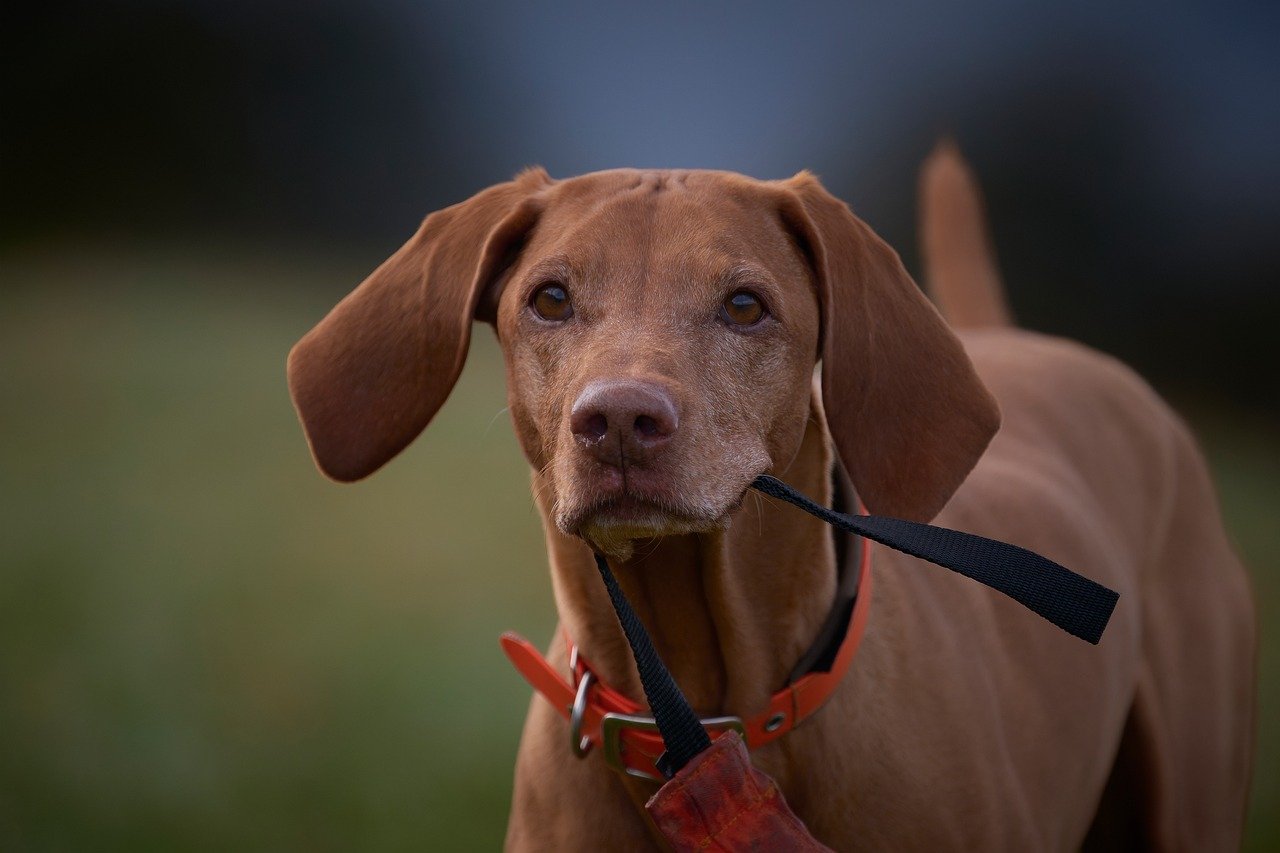
Engaging in protection dog training requires a variety of specialized equipment to ensure safety and effectiveness. One essential item is the appropriate collar. A strong and adjustable collar provides control while remaining comfortable for the dog. Another crucial piece of equipment is the leash. A durable, long leash should allow for free movement yet offer owners a means of containment. A training harness is also invaluable; it distributes pull over the dog’s body, reducing strain on the neck. Additionally, protective gear such as bite sleeves or suits is pivotal for trainers, offering safety during training exercises. These items enable the trainer to work with the dog to simulate real attack scenarios safely. Furthermore, training pads are beneficial for creating controlled environments where dogs can practice skills without distraction. Reward markers, like clickers, aid in positive reinforcement, making training sessions productive. Finally, access to training manuals or guides can provide insight into the methods and techniques that are essential for effective protection training. Investing in proper equipment lays the foundation for successful training experiences with protection dogs.
Incorporating toys into training routines is crucial for keeping a protection dog engaged and motivated. Toys designed for tugging and retrieving often serve dual purposes: they reward the dog and help channel their energy. These toys encourage driven behaviors like chasing and biting, which are integral to protection sports. Another vital aspect includes ensuring that toys are made from strong, durable materials; they must withstand aggressive play without breaking. Additionally, using interactive toys that dispense treats can stimulate the dog both mentally and physically; this stimulates their problem-solving skills while reinforcing desired behaviors. Protective training requires not only physical tools but also challenges that hone a dog’s abilities in a fun manner. As such, different puzzle toys are also beneficial; they provide an opportunity for dogs to work and think while enjoying their tasks. Furthermore, engaging activities with toys can build a stronger bond between the trainer and the dog. This relationship ultimately fosters trust and confidence, essential elements for effective protection training. Moreover, rotating toys to keep sessions fresh can also ensure that dogs remain enthusiastic and eager to participate.
Understanding the Role of Protective Gear
Protective gear is not just for trainers; it is also vital for dogs during protection sports, ensuring their safety while they learn. Bite sleeves are important tools for various training stages. They offer a secure surface for dogs to bite without harming the trainer. Different types of sleeves exist, such as full arm and short bite sleeves, which cater to different training elements. Additionally, bite suits provide comprehensive protection for the trainer, covering larger areas of the body during intense sessions. The right suit should balance protection with mobility, enabling trainers to move freely while the dog engages. Furthermore, muzzle types can vary significantly; some are designed to prevent biting without compromising the dog’s breathing and comfort. Selecting a muzzle that fits properly is crucial for ensuring that the dog remains calm and relaxed. Regular inspections of all protective gear are critical, ensuring that no components are worn down or damaged, which could pose safety risks. Proper maintenance keeps trainers and dogs alike safe during rigorous training sessions, allowing focus on skill development over safety concerns.
Another essential piece of equipment for protection dog training is the training environment setup. A controlled area with minimal distractions is crucial for effective learning. This space should include barriers and obstacles that help simulate real-life scenarios the dog may face. Keep in mind that creating an ideal training zone allows the dog to focus entirely on the tasks at hand. Utilizing cones and other markers can develop agility and obedience skills, enhancing their responsiveness. It’s essential for the space to reflect various conditions, including different terrains and surfaces. In addition, consistency in location fosters familiarity, helping dogs associate particular settings with training. Applying environmental distractions progressing gradually challenges the dog while reinforcing control. Moreover, trainers should also consider the use of scent markers to develop tracking skills, offering a different angle to protection training. Allowing dogs to utilize their natural instincts in scent detection further refines their abilities. Setting clear boundaries in the training area aids in managing expectations and routines, contributing significantly to the overall learning experience.
The Importance of Training Equipment Maintenance
Maintenance of training equipment is a critical aspect of ensuring long-term effectiveness and safety in protection dog training. Regularly inspecting gear such as collars, leashes, and bite suits is essential for identifying wear and tear. An effective maintenance routine involves checking for frayed edges, broken components, or other damage that can compromise safety during training. Proper cleaning of gear can greatly extend the lifespan of equipment. Training equipment often accumulates dirt, saliva, and other debris, so washing fabrics and disinfecting materials is vital. Special care should also be given to ensuring that the harness and collar fit properly; frequent adjustments may be necessary as dogs grow or lose weight. When it comes to safe storage, it’s important to keep equipment in a dry, clean area to prevent deterioration and prolong usability. Having a dedicated space for gear helps in organization and helps trainers quickly find what they need. Keeping meticulous records of when items were last inspected or replaced is ideal and promotes a seamless training process.
The incorporation of technology can significantly modernize protection dog training methods. Electronic training collars are often included as part of essential equipment. These collars provide immediate feedback, a valuable tool for enhancing responsiveness. Selecting a collar with adjustable settings allows trainers to customize the level of stimulus to ensure it aligns with each dog’s individual temperament. Furthermore, video recording devices are useful for reviewing training sessions and identifying areas where improvements are needed. Analyzing footage can help both trainers and dogs alike to recognize patterns in behavior or performance. Additionally, there are now various mobile applications designed to assist trainers in planning and organizing training sessions, tracking progress, and documenting behavioral changes. Incorporating technology supports trainers in adjusting their methods based on measurable outcomes, leading to improved performance. Moreover, online platforms provide resources, forums, and community support for dog training enthusiasts, which fosters collaboration and shared learning experiences. By embracing technological advancements, trainers can enhance the quality and effectiveness of their protection dog training, ensuring the best outcomes for themselves and their canine partners.
Final Thoughts on Essential Equipment
As with any training program, selecting the right equipment is foundational to the success of protection dog training. Each piece of gear plays a specific role in shaping the dog’s skills, growing their capabilities as a protection dog. The right collar, leash, harness, and protective gear are integral to ensure the safety and comfort of both dogs and trainers alike. It’s essential to remember that quality counts; opting for well-made equipment might mean a higher upfront cost but will lead to longer-lasting results. Additionally, engaging dogs with toys and utilizing a structured environment will enrich their training experience and skill development. Maintenance is paramount; taking care of equipment ensures that safety isn’t compromised and the learning process remains smooth. Furthermore, embracing technological tools can elevate training, providing valuable feedback and insights for continuous improvement. As you embark on this rewarding journey of protection dog training, focus on equipping yourself and your canine companion with the best tools available, allowing you to create an effective, enjoyable, and productive training experience.