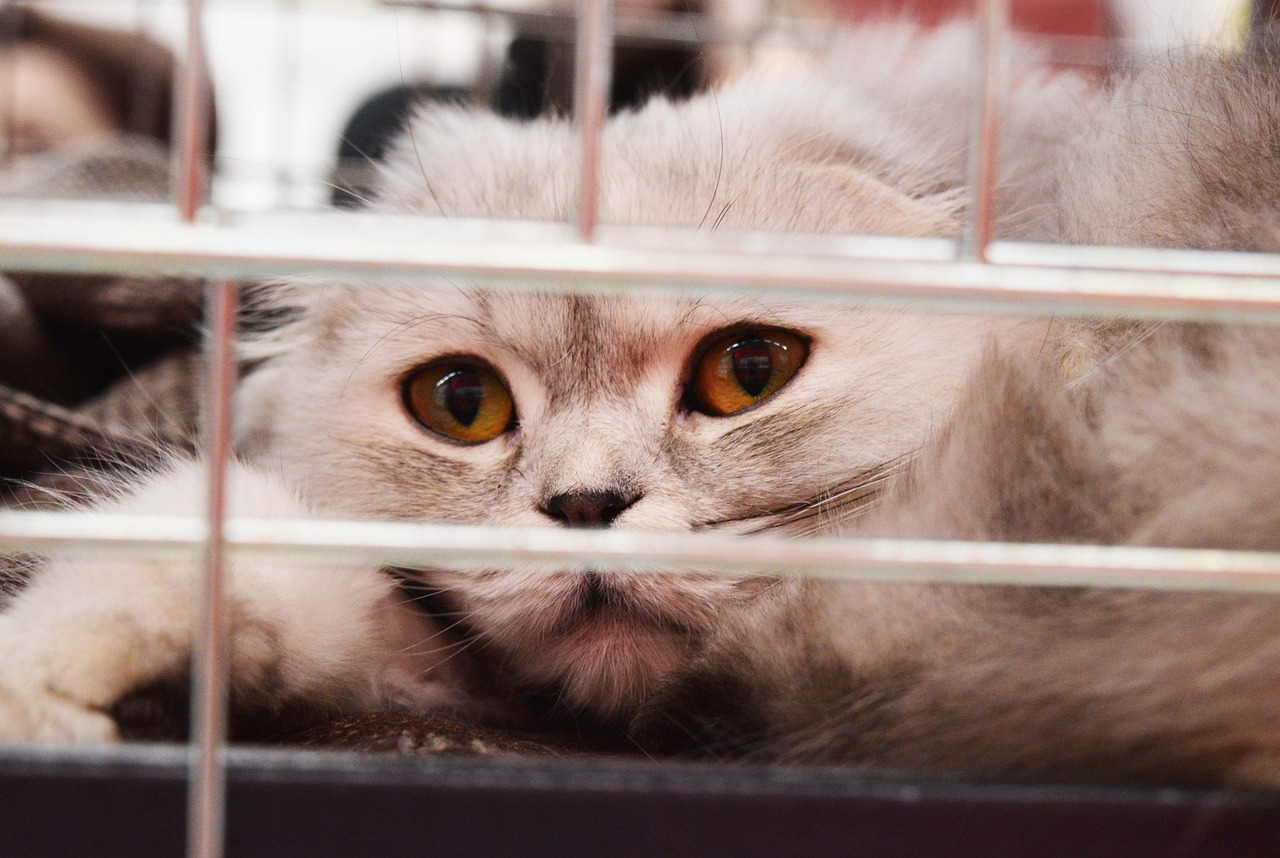

Evolution of Cat Shelter Designs: A Historical Perspective
Throughout history, the concept of cat protection has evolved significantly, reflecting wider societal changes. Initially, stray cats were a common sight, often fending for themselves. However, as urban areas expanded in the late 19th century, the rising number of feral cats led to the establishment of the first shelters. These shelters focused primarily on rescue and rehoming efforts. Designed with basic materials, early shelters lacked the comforts that modern cat shelters now provide. In the mid-20th century, the advent of animal welfare organizations transformed the landscape of cat rescue. Such organizations emphasized humane treatment and care. Consequently, a shift toward modern shelter designs emerged, prioritizing the well-being and comfort of the cats. Today’s shelters often include climate control, enrichment programs, and spaces that support mental stimulation for cats. It is essential to recognize that these designs are often influenced not just by the needs of cats, but also by the expectations of the public, animal lovers, and even donors who support these shelters. The evolution of shelter design exemplifies one of the many ways society has embraced and prioritized the welfare of our feline companions.
Early Cat Shelters: A Glimpse into the Past
Early cat shelters were sparse, frequently establishing themselves in response to urgent needs. Initially, they were temporary structures aimed at providing immediate refuge for stray and abandoned cats. Made from wood and other rudimentary materials, these shelters were often uninsulated and lacked modern amenities. As awareness around animal welfare began to rise, larger and more established organizations emerged, paving the way for significant progress. The 1940s and 50s witnessed progressive shifts toward more humane conditions. Families began opening their homes to foster stray cats, creating a network of support and care. This grassroots movement played a vital role in understanding feline needs and advocating for better shelter designs. Notably, community involvement was instrumental, as people sought ways to improve animal care through donations, volunteer work, and education initiatives. As urban centers expanded, the number of foster homes increased. Concurrently, the public’s awareness of feline welfare grew, resulting in calls for established shelters. These early cat shelter initiatives formed the groundwork for contemporary designs that focus on both practicality and aesthetics in meeting feline needs.
As the understanding of feline behavior deepened, cat shelters began to adopt more sophisticated designs. Advances in animal behavioral studies inspired the creation of spaces that catered to a cat’s natural instincts. Various factors such as privacy, climbing areas, and social interaction were assessed. Thus, the traditional caged environment evolved into multi-functional spaces that promoted movement and play. The 1970s marked this change, leading to environments that supported exploration and socialization. Shelters started utilizing open-floor plans that avoided the confinement of individual cages. Instead, communal spaces began to allow for group interactions, reducing stress and anxiety among the residents. Furthermore, the emphasis on enriching environments grew. Features like cat trees, tunnels, and play areas became common in shelter designs. This shift in philosophy underscored the importance of providing a nurturing atmosphere that mimicked home life, encouraging better behavior and reducing adoption time. Shelter designers began to work collaboratively with behaviorists, ensuring that their designs supported the well-being of the cats. Dedicated spaces for isolation and recovery were also integrated. These advancements demonstrated a commitment to progress in improving cat welfare.
The Role of Technology in Modern Shelter Designs
Today, technology plays a significant role in the design and effectiveness of cat shelters. Modern shelters are not just functional; they embrace innovative technologies that enhance the living conditions of the felines. Automated systems have been integrated for cleaning and feeding, freeing staff to focus on socialization and interactions. Advanced climate systems ensure optimal conditions, while webcams allow potential adopters to check on the cats remotely. State-of-the-art medical facilities incorporated in shelters now enable comprehensive health care for the cats. This focus on health ensures that cats receive timely vaccinations and assessments, enhancing their chances for adoption. Moreover, shelters utilize digital platforms for community engagement and fundraising. Social media campaigns have raised awareness about the importance of cat rescue and advocacy, helping to secure resources for ongoing operations. Some shelters have even developed mobile applications to streamline the adoption process, making it easier for potential pet owners. Technology is revolutionizing how shelters operate, allowing for better care and increasing the visibility of available cats. As shelters continue to evolve, technology will be key in shaping the future of cat rescue, making a positive impact on cat welfare.
Furthermore, the aesthetics and layout of modern cat shelters have become key elements in their design. The emphasis on a welcoming and positive environment for visitors and potential adopters has grown significantly. Bright colors, natural lighting, and inviting spaces create a friendly atmosphere that encourages adoption. Carefully designed waiting areas with comfortable seating promote longer visitation times, increasing the likelihood of finding a forever home for the cats. The inclusion of art and informational displays serves to educate visitors on feline welfare and care. Modern shelters are designed not just as places for housing cats but also as community engagement centers that foster connection between people and animals. Local artists and designers often contribute creative elements that help reflect the community’s commitment to animal welfare. By combining aesthetics with practicality, shelters create spaces that resonate with the public, encouraging donations and volunteer efforts. More often than not, these designs also include a variety of educational resources that inform the public about cat care, the adoption process, and responsible pet ownership by providing essential insights into living harmoniously with cats.
Challenges Facing Modern Cat Shelters
Despite the tremendous progress, many cat shelters face significant challenges today. Overcrowding remains one of the most pressing issues, often due to limited funding and resources. This situation can stretch staff and volunteers thin, impacting the quality of care each cat receives. Shelters frequently rely on community support, which can fluctuate, leading to inconsistent resources for operations. Moreover, public perception still affects adoption rates, with some individuals reluctant to adopt older or special-needs cats. Education and outreach programs play a critical role in combating misconceptions about such cats. Building strong relationships with the local community is essential for fostering understanding and support for cat shelters. Additionally, many shelters struggle to keep pace with ongoing maintenance needs due to limited budgets. Aging infrastructures can hinder the implementation of improved designs and technology. Creative fundraising strategies and collaboration with local businesses can be instrumental in addressing these challenges. Ultimately, the path forward requires innovation and perseverance to ensure these shelters can continue their vital work in cat rescue and rehabilitation. Through continued community engagement efforts, shelters can keep working tirelessly toward the goal of every cat finding a loving home.
The future of cat shelter design hinges on adaptability and progress. As society’s attitudes toward companion animals evolve, so too must shelters and their approaches to welfare and design. Innovations in sustainable building materials offer exciting opportunities for environmentally-friendly shelter construction. These materials can reduce overall costs and long-term maintenance requirements. Additionally, the growing trend of community-supported shelters invites the public into direct involvement, whether through volunteer programs or design contests. Collaboration with architects specializing in humane animal facilities can lead to the development of cutting-edge designs that further enhance the cat shelter experience. Emphasizing wellness-focused designs that offer stress-reducing environments can have positive effects on both the cats and the staff caring for them. The integration of education programs into modern shelters can also foster additional community support. Providing workshops on cat care, behavior, and training fosters responsible pet ownership while helping to solidify the bond between the community and the shelter. As we look to the future, the evolution of cat shelters remains a shared responsibility, reminding us all of the importance of compassion and commitment to feline welfare.
In conclusion, the history of cat rescue is marked by evolving shelter designs that reflect changing societal values. From rudimentary structures to modern, humane environments, the journey underscores the growing commitment to cat welfare. The ongoing challenges faced by shelters highlight the need for continued support and innovation, driven by community involvement and expanded outreach. As we foster understanding and compassion for our feline companions, we pave the way for a brighter future for cat rescue. Shelters represent not merely a habitat for animals but serve as hubs for education, advocacy, and connection within communities. Through collaborative efforts and a shared vision, we can redefine what cat rescue looks like in the future. By investing in better designs, practices, and community relationships, we can ensure that all cats are granted the love and care they deserve. Therefore, it is essential to engage with local organizations to support their missions actively. Together, we can make a significant impact, continuing the legacy of cat rescue. Ultimately, the historical evolution of cat shelter design exemplifies the incredible change possible when we unite for a noble cause.