
Latest Research Developments in Feline Diabetes Treatment
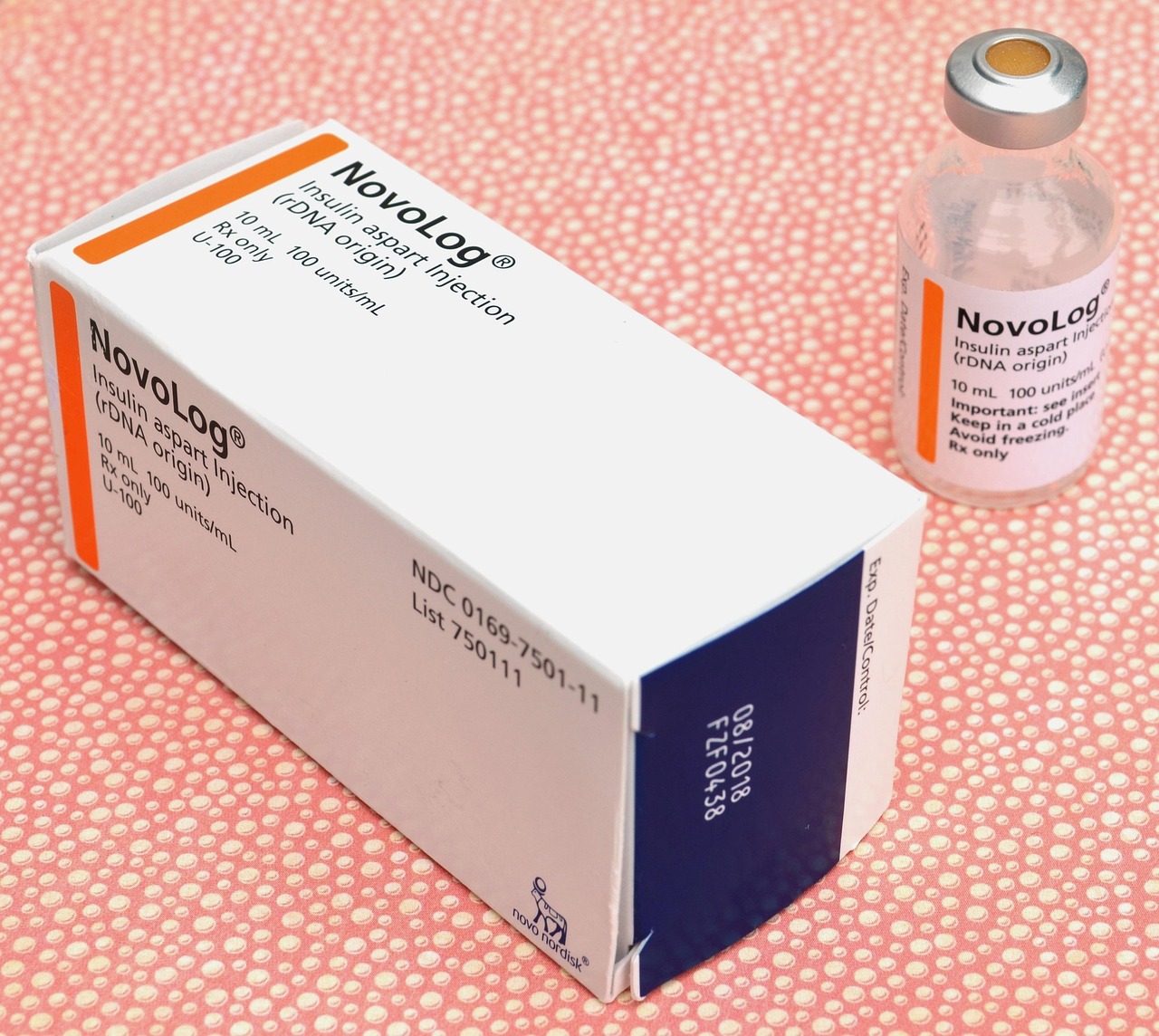
Feline diabetes is a chronic condition affecting many cats worldwide, marked by insufficient insulin production or resistance to its effects. Recent studies highlight the genetic predispositions that may make certain breeds more susceptible to this disease. Insights into lifestyle factors emphasize the importance of a balanced diet and regular exercise in managing and preventing feline diabetes. Increased awareness of the symptoms, such as excessive thirst or urination, allows for earlier diagnosis. Blood tests and other assessments facilitate accurate identification, ensuring prompt treatment and intervention. Pet owners are encouraged to observe their cats closely for subtle changes and report these to their veterinarian. Investigating the latest clinical trials has led to breakthroughs in insulin formulations that are more effective and easier for cats to tolerate over prolonged periods. Increased public education and resources contribute to better management strategies for affected cats, enhancing their quality of life. Moreover, pet owners are urged to work together with veterinary professionals to devise personalized care plans that suit their specific needs, ensuring a more enjoyable, healthier life. This collaborative approach is essential for managing diabetes over the long term.
This chronic condition not only impacts the cat’s health, but it also affects the emotional well-being of both the pet and its owner. Understanding the complexities of feline diabetes helps in crafting effective management strategies. One promising area of research explores the relationship between diabetes and obesity, emphasizing the need for weight management. Experts suggest including a high-protein, low-carbohydrate diet as part of the therapy plan. Additionally, studies are examining the role of dietary supplements that could assist in insulin sensitivity. Regular glucose monitoring at home has also emerged as a topic of interest, as it allows owners to track their cat’s progress more closely. Adopting a more proactive approach could lead to significant improvements in health outcomes. Moreover, owners are encouraged to engage with veterinary nutritionists who can provide tailored advice based on individual cases. Support groups for cat owners living with diabetic pets are becoming more common, where experiences and best practices can be shared. Such communities foster an environment where information and support are readily available, helping others navigate the complexities of this challenging condition.
Innovative Treatments on the Horizon
One of the most exciting advancements in feline diabetes treatment involves the development of new types of insulin medications. Meanwhile, researchers are investigating alternative therapies, including gene therapy, which may one day allow cats to produce insulin themselves. Additionally, there is emerging interest in the potential benefits of natural remedies, such as certain herbs and supplements that could support insulin function. Active investigations into the impact of stress on diabetes management are also noteworthy, as stress can greatly affect a cat’s overall health. Creating a calm environment is crucial for diabetic cats, and behavior modification techniques are being explored. Veterinary behavioralists suggest numerous strategies that could help in reducing stress and improving health outcomes overall. It’s essential for cat owners to keep an open dialogue with their veterinarians about these developments, ensuring they stay informed about the latest research findings. Furthermore, keeping up with updates from veterinary conferences can provide valuable insights about emerging therapies and best practices. This information is vital for implementing effective treatment plans, which ultimately leads to better health and fewer diabetes-related complications.
Regular follow-ups with a veterinarian are a critical part of monitoring feline diabetes. These visits allow for adjustments in treatment plans based on the cat’s current health status, addressing any emerging issues immediately. Vets may perform blood tests to gauge glucose levels and assess overall well-being during these check-ups. Adjustments to diet and insulin dosage can only happen based on these evaluations, making them a crucial component of effective diabetes management. As research progresses, there’s an expectation for improved protocols and guidelines that can be universally applied. The support and education offered during these visits empower owners to take charge of their cat’s health and well-being. Technology’s role in feline care is also changing the landscape significantly, with apps and devices designed for monitoring glucose levels remotely. These innovations can help owners manage their cat’s condition more conveniently, allowing for faster and more effective responses to potential health fluctuations. Staying updated on the latest research developments can help owners make informed decisions about their cat’s ongoing care and treatment while enhancing their ability to manage this complex disease.
The Role of Diet in Diabetes Management
The implementation of a proper diet plays a significant role in controlling feline diabetes. Recent studies have increasingly highlighted the importance of individualized nutrition plans that consider the unique metabolism of each cat. Diets high in fiber can help manage blood sugar levels, which is vital for diabetic cats. Moreover, the shift towards wet food diets, which are often lower in carbohydrates, is gaining attention among veterinarians. This includes encouraging a shift away from dry kibble, particularly for overweight cats, thus promoting weight loss. Consultation with a veterinary nutritionist to develop a suitable meal plan can be especially beneficial. Pets require constant access to clean water, as hydration is essential for overall health. Owners must monitor their cat’s food intake and note any changes in behavior or weight. Educating oneself about reading labels and understanding ingredients can empower pet owners in making healthier dietary choices. Being proactive in dietary selections significantly impacts a cat’s quality of life, directly linking it to the success of diabetes management. Comprehensive knowledge about feline nutrition lays the foundation for long-term health and well-being.
Engaging with veterinarians for regular health assessments also contributes to effective diabetes management. As research advances, there’s an increasing understanding of how specific nutrients affect feline health. For instance, adding Omega-3 fatty acids to the diet may provide anti-inflammatory benefits, supporting overall wellness. Furthermore, there is exploration into the effects of probiotics that aid in gut health, which can influence metabolic processes. Supplements designed to enhance insulin sensitivity are under investigation, offering another option for enhancing treatment effectiveness. Additionally, assessing the cat’s body condition score regularly can help in adjusting dietary plans accordingly. Knowing when to make changes ensures that an effective management plan is always in place. This continuous feedback loop is crucial for catering to the evolving needs of the diabetic cat. Providing educational resources for pet owners reinforces the importance of staying informed on dietary updates. Veterinary clinics might also run workshops to foster a community learning experience. All of these facets create a holistic approach that not only seeks to control diabetes but also enhances the overall health and quality of life of our feline companions.
Community Support for Owners
As feline diabetes requires a long-term approach to management, community support becomes invaluable for pet owners. Resources such as local support groups and online forums create spaces for sharing experiences, tips, and insights among cat parents facing similar challenges. These forums often discuss practical topics, such as effective insulin administration techniques or dietary adjustments to consider. The emotional support available through these networks plays a critical role in diminishing feelings of isolation and overwhelm that often accompany pet health issues. Moreover, collaborating and sharing successes fosters an environment of friendship and camaraderie. Many cat owners have found solace in connecting with others, learning from their experiences, and encouraging one another. Some might even share stories of healing, offering hope to those who are currently facing the day-to-day challenges of caring for a diabetic cat. Engaging with these communities not only relieves stress but also enables owners to stay informed regarding new research and treatment advancements. The collaboration and shared knowledge within these groups can facilitate better outcomes, paving the way for healthier cats while strengthening the bond among devoted feline caregivers.
In conclusion, ongoing research developments in the treatment of feline diabetes continue to evolve, highlighting the importance of a multidisciplinary approach. From innovative treatments to community support networks, each aspect plays a vital role in managing this chronic disease. Understanding the latest findings empowers cat owners to make informed choices that significantly impact their pet’s health and longevity. Through collaboration with veterinarians, owners can develop tailored treatment plans that meet their cat’s unique needs. Promoting education, observing symptoms closely, and engaging with community resources can alleviate some of the burdens that accompany the responsibility of caring for a diabetic pet. As we embrace these advancements, we affirm our commitment to improving the lives of affected cats. Comprehensive care, whether through dietary management or medical interventions, stands at the forefront of fighting feline diabetes. The future looks promising, with signs pointing towards better outcomes and improved quality of life for our beloved companions. By remaining vigilant, dedicated, and engaged, owners can navigate the complexities of feline diabetes and foster a healthier future for their pets.