
Real-Life Scenarios Where ‘Wait Here’ Command Can Save Your Dog
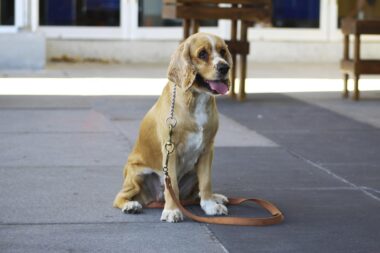
The “Wait Here” command is essential in ensuring safety for dogs during various situations. If you frequently visit parks or busy streets, teaching this command could protect your dog from potential hazards. Accidents can happen in mere seconds, and having a reliable command to keep your dog stationary can be a lifesaver. Many pet owners find themselves in scenarios where their dog might rush into the traffic, which can be dangerous. When your dog understands the “Wait Here” command, you can approach the edge of a road knowing your dog will stay put until you say otherwise. This command also comes in handy when training for public spaces where dogs must remain calm and comfortable. By practicing various sit-and-stay commands alongside “Wait Here,” your dog will learn valuable lessons about boundaries. These teachings can minimize barking and excessive movement in crowded areas, preventing distraction and enhancing social experiences. While it may require consistency and patience, the benefits of teaching your dog this command are profound, ensuring both you and your dog enjoy daily outings without unnecessary stress.
Furthermore, using the “Wait Here” command can significantly enhance your dog’s safety during training exercises. For instance, when socializing your dog with other pets, you may find it necessary for them to stand by your side. During outdoor training sessions, you can instruct your dog to wait in place while you demonstrate commands or engage with other pet owners. This not only reinforces obedience but also develops trust between you and your dog. They learn to rely on your directions, which improves overall behavior. Moreover, this command can be crucial in emergency situations. If your dog suddenly encounters a potential threat, telling them to wait helps to diffuse the situation. You can assess the danger without worrying about your dog running away or into harm’s way. Moreover, by reinforcing this command with positive reinforcement, such as treats or praise, your dog will associate waiting behavior with good experiences. This connection can make them more likely to obey in various circumstances. Practicing this command regularly ensures it becomes second nature, making it an invaluable tool for any dog owner.
Using ‘Wait Here’ Command During Outings
Additionally, when you’re in environments like busy streets or festivals, establishing the “Wait Here” command becomes particularly vital. It’s a practical tool for keeping your dog relaxed within unpredictable spaces. For example, if you’re out shopping and need to pass through crowds, telling your dog to wait gives you a moment to navigate without worrying. This also creates an opportunity for your dog to observe their surroundings, promoting a positive and calm demeanor. Instead of pulling towards the excitement of passerby activity or other dogs, your pet learns patience. This can become a soothing experience for both you and your dog. Furthermore, it develops your dog’s ability to focus despite distractions, which is essential for future social interactions. Combining the command with leash training allows you to establish boundaries while building a reliable connection. You may even start noticing a decrease in anxiety for both you and your dog when they remain at your side. Practicing the “Wait Here” command transforms outings into enjoyable experiences allowing your dog to engage safely with their environment while being educated on proper protocol.
Moreover, implementing the “Wait Here” command fosters essential skills that benefit your dog’s overall obedience training. Integrating various commands into their training routine, such as ‘sit’ or ‘down,’ enhances cognitive function and the ability to understand what is expected of them. By associating the “Wait Here” command with familiar routines, you develop a sense of cooperation and partnership. This collaboration extends to regular activities such as feeding times, where they will learn to wait patiently for their meals. Additionally, this patience can also be useful in situations involving visitors at home, as it reduces the likelihood of jumps or unwanted excitement. Eventually, with practice, your dog will also understand the importance of waiting when encountering other dogs or unfamiliar people. This not only keeps them calm but also reflects positively on the owner. A well-disciplined dog portrays responsible pet ownership. Consistent training and reinforcement of the “Wait Here” command create an environment where your dog feels secure. They become accustomed to complying with expectations, strengthening your bond further, and leading to better behavioral outcomes in diverse scenarios.
Promoting Safety with Visual Cues
Enforcing the “Wait Here” command is not just about verbal communication. Visual cues can also play a significant role, especially in situations where your voice might be lost. For example, using specific hand signals alongside the command can help reinforce the message in challenging environments. Imagine attending a pet-friendly event where sounds become chaotic; having a solid visual cue that your dog recognizes minimizes risk. You might use a raised hand or an arm gesture to signal for them to remain still. Furthermore, this practice can be essential in reinforcing impulse control. You want to ensure your dog learns to respect your personal space as well as the distance of others. Combining the command with visual cues will make the command accessible, even in environments filled with distractions. As dogs are often adept at reading body language, connecting these cues with the “Wait Here” command can make communication more fluid. Training in various locations with new sights, sounds, and smells reinforces their understanding and compliance. This systematic approach can lead to your dog becoming increasingly dependable, fostering peace of mind in various settings.
Additionally, mastering the “Wait Here” command cultivates a more mindful relationship between you and your dog. As they postulate on how their actions influence their surroundings, they grow more aware and calm. This obedience encourages a heightened level of engagement during training sessions, as dogs respond more effectively to the expectations laid down by their owners. Consequently, your dog learns resilience in different situations like encountering unfamiliar environments or people. The command nurtures an understanding of patience, which can positively translate into other aspects of their lives. It provides them with vital skills needed in many scenarios, thus improving their socialization abilities. For example, when out meeting family, friends, or other pets, responsive behavior cultivates stability and reduces chaos. Understanding boundaries reflects intelligence and training mastery. This strengthens your position as an authority figure while boosting your dog’s confidence. They gain assurance by learning how to conduct themselves, making the entire experience pleasurable for all. With continued reinforcement of the command, you foster a sense of purpose in your dog, transforming every outing into a constructive interaction that supports well-being.
Conclusion: A Command for Lifelong Learning
In conclusion, the “Wait Here” command is an indispensable skill for ensuring a safe and harmonious life with your dog. This command goes beyond simple obedience, it’s about developing trust, awareness, and discipline within your furry friend. As you practice consistent training and reinforce positive behavior, your dog will gain a deeper understanding of expectations set during outings. Their ability to maintain composure in various situations leads to a more enjoyable pet-parent relationship. As you encounter new environments and experiences, your dog will exhibit patience and self-control, reducing anxiety for both parties. Remember, training is an ongoing process, and fostering a strong connection ensures lasting results. Eventually, the command extends into daily routines, providing stability and comfort. Your dog will appreciate having clearly defined structures that guide their actions. It promotes a secure atmosphere where your dog can thrive, replacing fear with curiosity and engagement. Emphasizing the importance of the “Wait Here” command transformed walking or visiting events into delightful explorations filled with discovery. Thus, through patience and dedication, you can help your dog experience a fulfilling life enriched with love and trust.
While every command holds value, the “Wait Here” command, in particular, encases the essence of responsible dog ownership. Its implementation supports a plethora of real-life scenarios while bringing safety to the forefront. You enable your dog to appreciate their surroundings while obtaining the skills necessary for positive social interactions. Overall, listening to this command fosters a better understanding of boundaries. As your dog progresses, their comforts will blanket both you and them, creating a trusting bond where effective communication flourishes. Ultimately, you should view your training journey through a holistic lens, leveraging each moment as an opportunity to engage. Balancing playful interactions with structured commands makes the learning experience delightful. The commitment to teaching this command pays off with time, helping your dog navigate life’s unpredictability. Establish a routine that incorporates training into daily activities, reinforcing its core values as your dog matures. This will establish their confidence while allowing them to become reliable companions, granting peace of mind within various circumstances. As a diligent owner, you play a pivotal role in fostering this connection, and it will return to you tenfold, ensuring a lifetime of cherished memories.