
Recognizing Healthy vs. Unhealthy Napping Habits in Cats
Napping is an essential part of a cat’s daily routine, significantly impacting their overall well-being. Understanding the differences between healthy and unhealthy napping habits allows owners to support their furry friends better. A cat’s natural instinct is to sleep for twenty hours a day or more, spent in various cozy locations around the home. Cats often prefer warm, quiet, and safe napping spots, indicating comfort. Moreover, established napping patterns will vary from cat to cat, reflecting each feline’s personality and energy levels. Healthy preferences include soft beds, sunlit areas, and elevated spaces, contributing to a cat’s sense of security. It’s crucial to observe how much time a cat spends sleeping in these areas and if they occasionally explore new spots to seek comfort. Maintaining this balance is vital in identifying their comfort zones and ensuring they receive enough rest. In contrast, changes in these patterns can signal potential issues, indicating the need for observation and, if necessary, veterinary consultation.
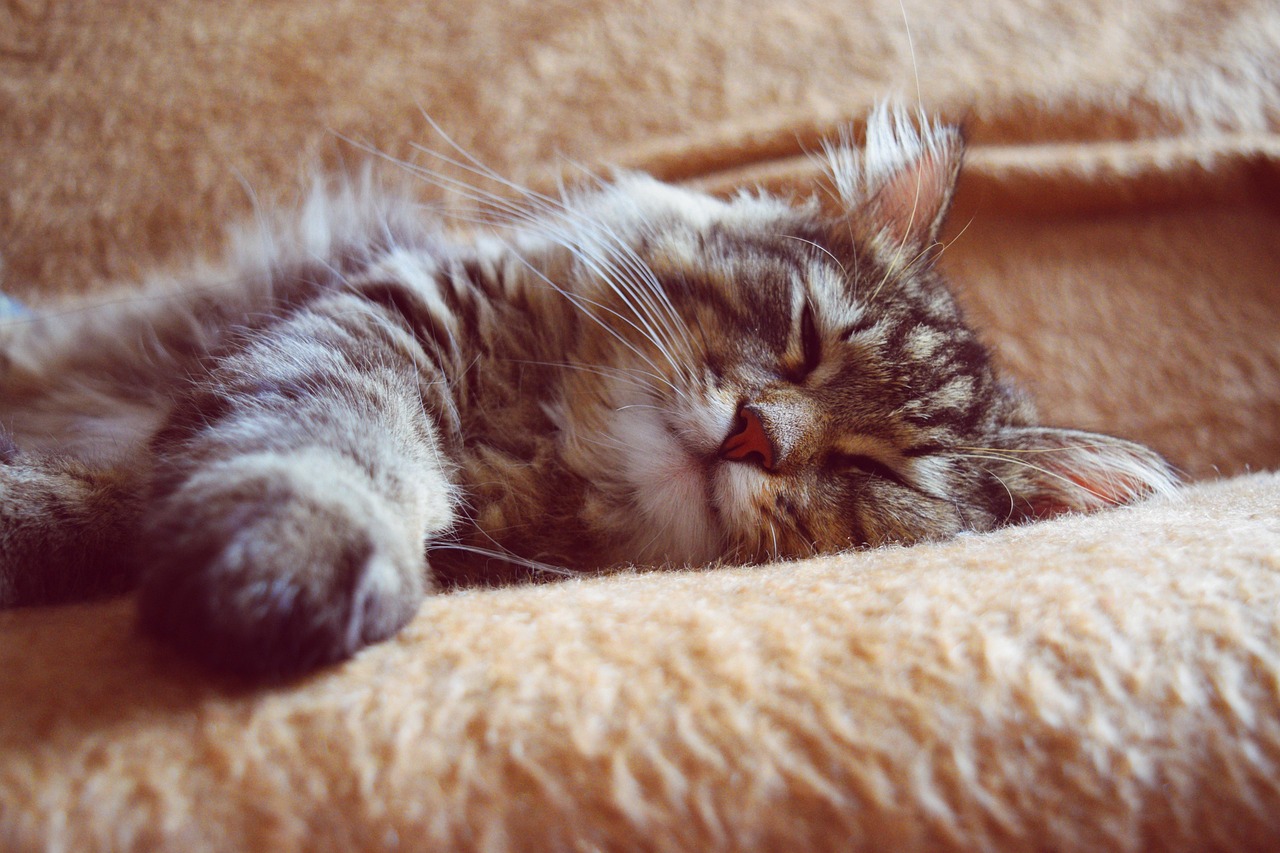
Healthy napping habits are essential for maintaining overall health and comfort. When cats have plenty of ideal resting areas, it promotes restful sleep that rejuvenates their bodies. The tendency for cats to prefer elevated spaces can be attributed to their natural instincts as hunters, providing them a vantage point and perceived security. Additionally, a well-placed bed near windows or heat sources can help increase a cat’s preference for a particular spot. If a cat consistently engages in deep sleep cycles within these areas, signs of healthy napping habits are evident. Cats that are comfortable with their napping spots will exhibit relaxed body language, like stretching and kneading. Meanwhile, frequent changes in napping locations might signal curiosity or discomfort. Owners should ensure these spots are free from dangers, including heavy furniture or drafts. Regular interaction with your cat and providing options while observing their behavior reveals preferences, allowing for a better understanding of their needs. Monitoring their napping habits will not only support their rest but also reinforce the bond between owner and pet.
Understanding Signs of Unhealthy Napping
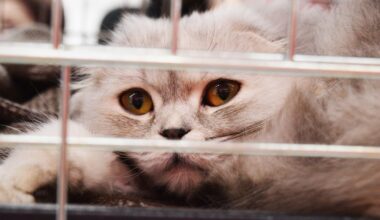
Unhealthy napping habits in cats can emerge for various reasons, including stress, discomfort, or medical conditions. An indication of unhealthy napping includes a cat that excessively sleeps in unusual areas, suggesting it might feel insecure or anxious. Cats that avoid their favorite spots or spend time sleeping in places like closets or under beds may be trying to escape perceived threats. Moreover, if they frequently wake up abruptly or seem restless during their naps, this could be linked to underlying issues such as allergies or pain. Additionally, changes in appetite, grooming habits, or playfulness may coincide with shifts in napping rounds and warrant further investigation. To determine if their behavior is a concern, owners should observe overall behavior, including litter box usage, interactions, and energy levels when awake. A cat that no longer engages in normal activities, including play or exploration, should be closely monitored. These warning signs should prompt an evaluation of their environment and, if necessary, a trip to the vet to ensure all is well.
It is also beneficial to consider the environmental factors surrounding your cat’s napping habits. Cats are highly sensitive to their surroundings, so changes in the household, such as new pets, family members, or even changes in furniture placement, can affect their comfort level. If a cat appears stressed or hesitant to return to their usual napping area, it may indicate that something in their environment has unsettled them. Providing multiple, safe, and inviting napping spots in various locations can help alleviate stress related to environmental changes. Owners should ensure their cats have access to quiet, serene areas free from disturbances. Moreover, pheromone diffusers can be beneficial in reducing anxiety and promoting relaxation. Owners need to facilitate a serene atmosphere while remaining patient with their pets, allowing them to regain confidence. Positive reinforcement, such as rewarding them when they choose their cozy spots, can encourage healthy napping behaviors. Any noticeable decline in your cat’s overall demeanor should be considered a red flag warranting an assessment of their needs.
Creating an Ideal Napping Environment
Creating an ideal napping environment for your cat can significantly contribute to healthy sleeping habits. Choosing appropriate bedding materials is essential; cats may favor soft fleece, memory foam, or even simple cardboard boxes. Owners can also consider placing various types of bedding in multiple locations, as preferences can differ. Additionally, an inviting area that provides warmth and security is ideal for restful naps. Sunlight is a natural source of comfort; thus, ensuring a sunny spot by a window can attract your feline friend. Elevated perches or cat trees enhance their sense of safety and provide natural opportunities to nap. Environmental enrichment can enhance a cat’s comfort, including cozy hideaways or active play spaces where they can feel secure. Make sure to follow your cat’s preferences, adjusting the layout or napping areas as necessary to ensure they feel nurtured. Experimenting with different materials and locations while regularly maintaining cleanliness can encourage healthy habits. Ultimately, the goal is to create an environment where your cat feels safe, cherished, and comfortable enough to rest peacefully without disturbances.
When encouraging healthy napping habits, it is also essential to practice consistency in your routines. Cats thrive on patterns, so maintaining a regular schedule can help establish a feeling of security. Over time, routines regarding feeding and play can influence napping behavior as your cat learns when to anticipate activities. Consistent interactions, such as designated playtime before naps, can promote better sleep. Understanding each cat’s unique personality is key; some cats enjoy cuddling before napping, while others may require solitary time to unwind. It’s vital to respect their unique needs during these interactions to foster trust and comfort. Additionally, engaging cats in mild activity for short periods leading to nap times can help manage their energy levels and prepare them for rest. Owners can offer toys or interactive games to engage them before settling down. The more they embrace these routines, the more likely they will find solace in their resting areas. Fostering these habits will not only improve their quality of sleep but will also enhance their overall well-being.
Conclusion on Napping Habits
In summary, understanding your cat’s napping habits provides insight into their overall health and well-being. Identifying what constitutes healthy versus unhealthy behaviors is crucial for every pet owner. Observing their preferences and routines will empower owners to create the best possible environment for them. By attending to various factors, including comfort, location, and environmental influences, owners can ensure that their feline friends are happy and healthy. Social behaviors, energy levels, body language, and preferences play a significant role in analyzing your cat’s habits. When any changes arise in their napping locations or routines, prompt observation and consideration are essential. While observing your cat’s napping habits, the bond between owner and pet will strengthen, improving mental and emotional health. Take the time to ensure that your cat feels safe and valued, which can greatly enhance happiness and longevity. Healthy napping is one of the most fundamental aspects of a cat’s life, ensuring that it has the energy to engage fully in life before another well-deserved nap.
Each cat is unique, and their sleeping habits may vary significantly. Understanding them will help provide the support needed for a fulfilling and healthy life. Recognizing the patterns in their sleeping behaviors allows owners to identify when something may be amiss. A combination of observation, comfort measures, and promoting relaxation techniques creates an ideal environment for rest. Through attentive and loving care, owners can help their feline companions lead happier, healthier lives, ultimately ensuring that their needs are met. By recognizing the importance of sleep and the particular habits of your cat, you can be an advocate for its health and well-being.