
Signs That Your Dog Enjoys and Benefits from Raw Bones
Dogs, like people, have their preferences when it comes to food. When introducing raw bones into your dog’s diet, observe their reactions closely. A dog that eagerly jumps at the sight of a bone is likely to enjoy it. Pay attention to how they hold, chew, and gnaw on the bone. If your pooch shows excitement or starts wagging their tail vigorously, these behaviors indicate that they are delighted. Additionally, after chewing on raw bones, if they appear more relaxed and content, this further supports the benefits of bone chewing in dogs. Chewing helps to release endorphins, providing psychological satisfaction. When dogs enjoy something, they often exhibit behaviors like rolling onto their backs or bringing the item to show you. These are expressive signs of pleasure. Also, consider how your dog interacts with other bones, as they may build preferences over time. Always ensure that the bones given are safe and appropriate for their size to avoid any health risks associated with inappropriate chewing. This satisfaction will extend beyond raw bones, enhancing your dog’s overall happiness and nutrition.
If your dog consistently prefers raw bones over other chew toys, it is a significant indicator of their enjoyment. Raw bones often provide a desirable texture that can be both satisfying and enjoyable for dogs. Observe your dog while they chew; happy dogs typically maintain focus on the bone, with minimal distractions. Be wary of the noise. If your dog is enthusiastically chewing and making joyful sounds, it indicates they genuinely relish the experience. The act of chewing raw bones can also provide mental stimulation. Dogs that are engaged mentally are usually happier and more confident in their surroundings. Alongside enjoyment, raw bones yield numerous health benefits. Chewing them can aid in maintaining healthy teeth and gums. Dogs derive essential nutrients from the bones, including calcium and phosphorus, which are vital for strong bones and overall well-being. Remember that while some dogs may prefer consuming the meat surrounding the bone, others might delight in the splintering of the raw bone itself. Keeping track of your dog’s preferences can help tailor their raw feeding experience to their likes.
Physical Signs of Enjoyment
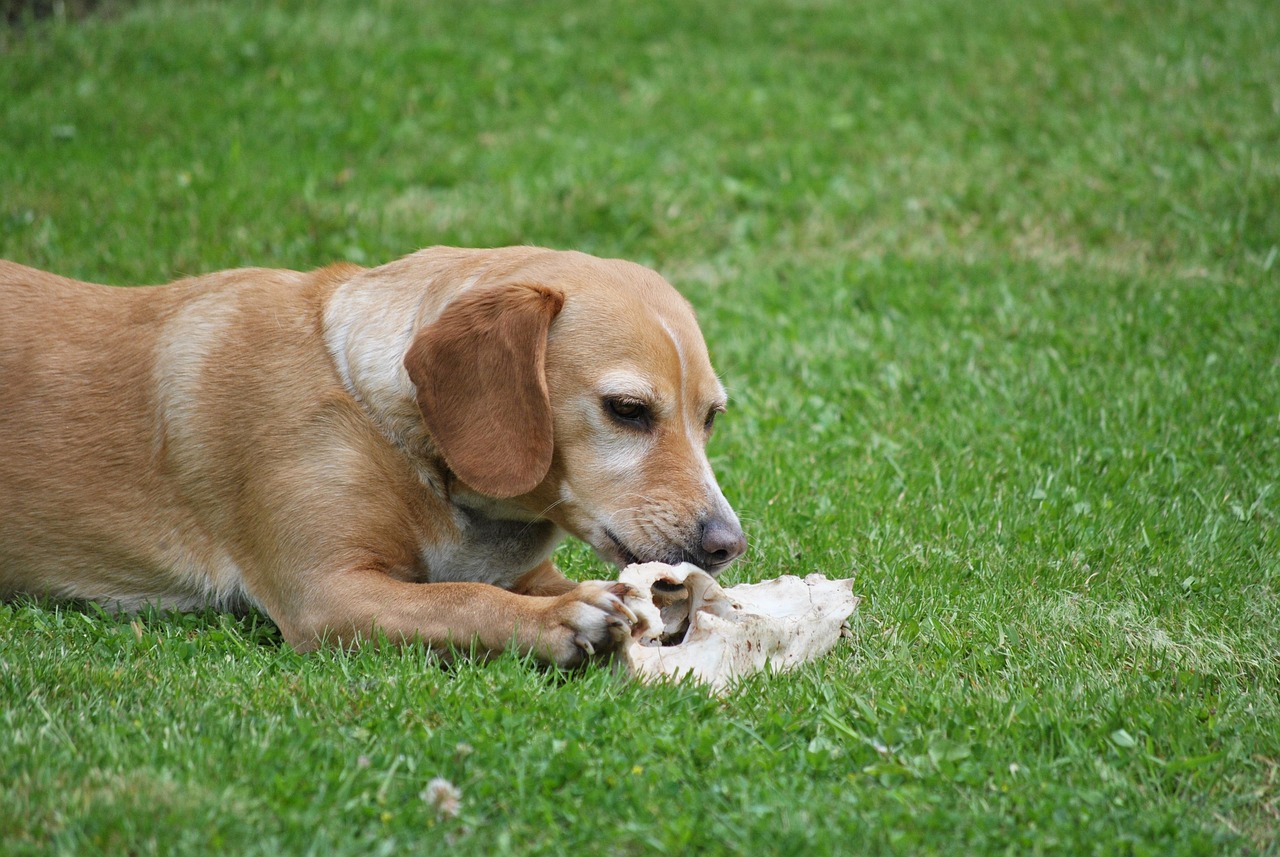
Noticing physical signs can clarify whether your dog enjoys raw bones. Their body language speaks volumes. For instance, a relaxed posture with ears forward usually indicates engagement. Look for an excited tail wag as a signal of their enthusiasm. If they carry the bone around proudly, it suggests ownership and enjoyment. Dogs have natural instincts when it comes to chewing, akin to cats purring. If your dog is licking their lips frequently or may drop the bone only to pick it up again, it’s a sign they are actively savoring the flavor. Furthermore, a dog that returns repeatedly to chew a particular bone is signifying a level of enjoyment that demands attention. Dogs typically eat the meat and connective tissue, and they may show contentment with a relaxed demeanor after chewing. Keep an eye out for those little tail wags in between chomps or playful barks, which can affirm their enjoyment. Offering raw bones also promotes regenerative chewing behavior; your dog’s likelihood of seeking other unsuitable items decreases if they feel stimulated and satisfied with safe chewables.
The grooming habits of your dog can indicate whether they benefit from chewing raw bones. If you notice them engaging in self-grooming behavior after enjoying a raw bone, it suggests satisfaction and pleasure. This act of grooming can help dogs feel comfortable and content after indulging in their raw-bone treat. Raw bones can also help keep their breath fresh and teeth cleaner, promoting dental health. Dogs that enjoy chewing on raw bones often exhibit visibly healthier teeth and gums. As the chewing helps to remove plaque build-up, it allows for a cleaner and more enjoyable mouth environment. Additionally, the nutritional aspect cannot be overlooked. Raw bones can be packed with valuable nutrients that directly benefit your dog’s body. Consider the quality of the bones being offered; the better the bones, the greater the health benefits. Ensure to rotate bones to maintain interest, as dogs often gravitate towards variety. Vitamins and minerals harvested from raw bones support your dog’s immune function and promote optimal health. Observing these signs can guide you in providing the best for your furry friend.
Behavioral Changes Post-Chewing
Monitor any behavioral changes after your dog enjoys a raw bone. Post-chewing relaxation or a more playful demeanor is positive feedback indicating satisfaction. After a lengthy chewing session, many dogs will lounge around, chew their toys, or exhibit a calmer attitude overall. This shift in energy often highlights their enjoyment through physical activity and resulting contentment. If a dog enjoys a raw bone, they may also stick closer to their owners for comfort and companionship. You might find your dog more inclined to follow you around, providing a sense of loyalty and happiness. Further, consider whether your dog interacts more with other household pets after chewing. If they’re more social, this indicates a positive emotional shift as a result of enjoying their meal. Sometimes the simplest contentment leads to overall happiness in their day-to-day activities. A relaxed dog is usually healthier both mentally and psychologically. This behavioral change can improve their quality of life and deepen the bond between you. Pay attention to the patterns emerging in their behavior regarding how bones affect their routine.
Another sign that your dog truly benefits from raw bones is their overall health improvement. By observing your dog’s energy levels during playtime, you can gauge the positive impact of their raw bone diet. Healthy dogs tend to have improved stamina and exhibit playful behavior more frequently. The transition to a raw bone diet can lead to shinier coats, less shedding, and an overall healthier appearance. If your dog appears more vibrant and youthful, it may correlate with a nutrient-rich diet including raw bones. Always consider consulting your veterinarian to ensure the bones you provide are appropriate for their size and health needs. Nutrition plays a significant role in a dog’s overall well-being, and raw bones can contribute positively to this diet, thereby enhancing their vitality. Furthermore, observe their digestion patterns. A dog that seems to digest bones easily without discomfort is enjoying their benefits. Adequate nutrition, coupled with enjoyment in chewing raw bones, supports consistent energy throughout their daily activities. Fostering a healthy lifestyle for your dog is vital, so recognizing these benefits will play a key role.
Conclusion
Ultimately, being attentive to the signs of enjoyment and benefit from raw bones is crucial for your dog’s health and happiness. Whether it’s by observing their excitement, relaxation, or overall health improvements, understanding your dog’s responses can significantly enhance their welfare. Raw bones provide mental stimulation alongside physical advantages, including improved dental health and nutrient intake. By offering your furry friend the right type of raw bones, you contribute to their joy and overall nutrition. This experience shapes their behavior positively while fostering a healthier lifestyle. Consult with professionals if necessary, to identify suitable types of bones and for safe chewing practices. Additionally, remember that moderation is key. Too many bones may pose challenges, leading to digestive upsets. Striking the right balance creates an enjoyable experience for your furry friend, keeping their preferences and health in mind. Celebrate the joy your dog exhibits in raw bone chewing by providing more opportunities for them to engage in this highly natural behavior. In doing so, you are actively participating in their well-being, keeping your dog happy and healthy for years to come.