
The Hidden Dangers of String and Yarn for Indoor Cats
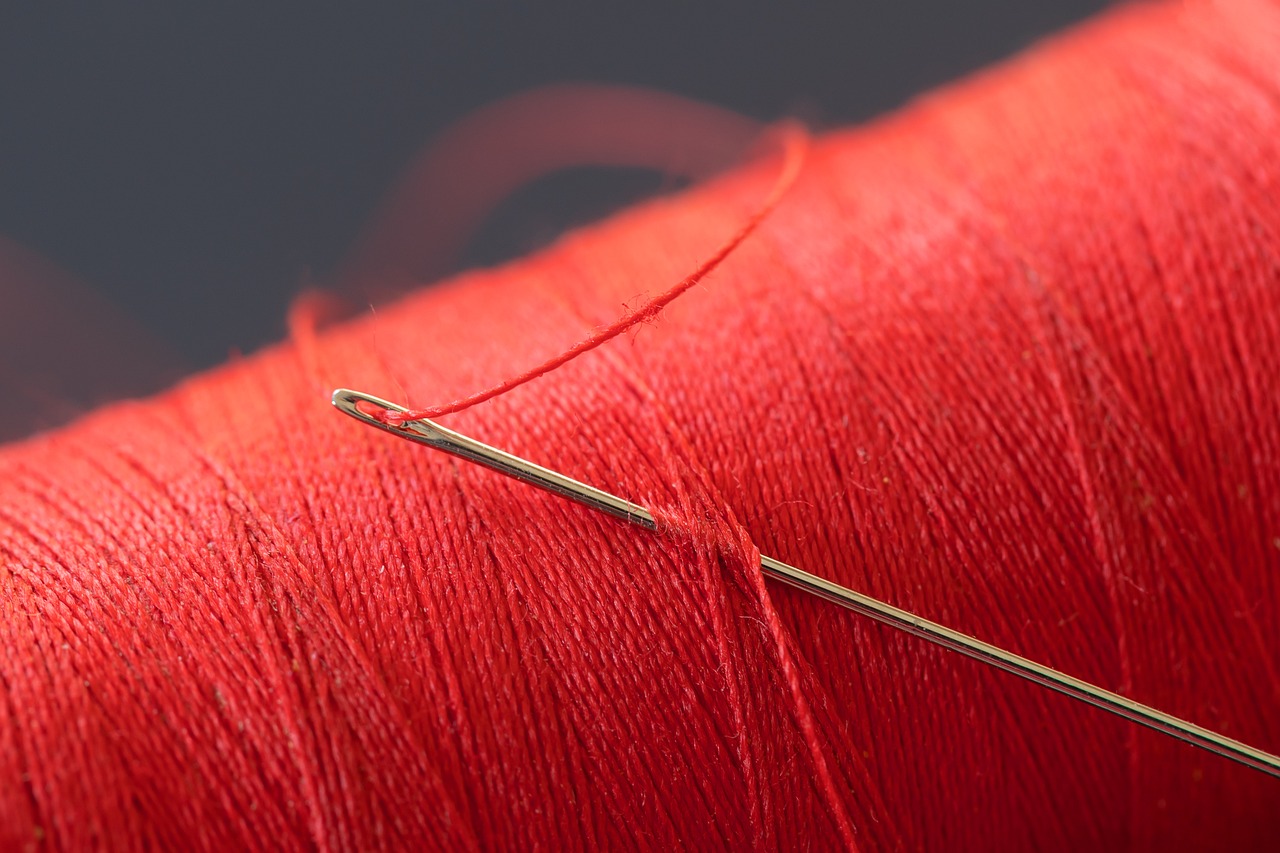
As a cat parent, you may be unaware of the lurking dangers found in common household items. One such item is string or yarn, which can be enticing for your feline friend. While these materials might seem harmless, they pose a severe risk to your cat’s health. Many cats are naturally drawn to string due to their playful and curious nature. If a cat ingests string, it can lead to serious health complications. String can cause internal blockages or even become tangled in their intestines, leading to life-threatening situations. If you leave out yarn, string, or similar items, your cat may tug, gnaw, and swallow these materials. Be vigilant about removing such items from reach and consider substituting them with safer alternatives. Toys designed specifically for cats can help redirect their attention away from these hazardous objects. Consider investing in cat-safe toys that mimic the texture and movement of string without the associated risks. By taking preventive measures, you can ensure your indoor environment is safe for your beloved pet, minimizing the dangers posed by string and yarn.
Understanding the Risks Involved
Many cat owners often underestimate the risks involved with household items like string or yarn. While these materials might seem harmless, the reality is that they can result in serious health issues for your furry friend. It’s crucial to understand how ingested string can ultimately lead to veterinary emergencies. When a cat swallows string, it can create a dangerous situation in their digestive tract. String has the potential to act like a noose, pulling on the intestines and causing them to twist or tear. This condition, known as linear foreign body obstruction, can manifest in symptoms such as vomiting, lethargy, and abdominal pain. Prompt veterinary attention is essential if you suspect your cat has ingested string. The consequences can be dire, so understanding these risks is crucial for ensuring a safe environment for your pet. Educating yourself about these dangers helps you take necessary precautions to avoid hazardous items within your home. Remember that awareness is the key to preventing health risks for your indoor cat, ensuring they live happily and safely.
To effectively safeguard your cat against the dangers of string and yarn, it’s essential to ensure all such items are stored securely. Make a habit of thoroughly checking the areas in your home where stray string is often found. This includes examining your crafting supplies, hobbies, and general living areas. Consider investing in storage bins to keep crafts organized and away from curious paws. Another preventive measure is to train your cat on safe play behaviors by redirecting their energy towards suitable toys. Choose toys designed for safe play, and regularly rotate them to maintain your cat’s interest. Think catnip-stuffed toys or wand-style toys that mimic string’s movement without the associated risks. You can also engage them in play sessions to foster a healthy outlet for their natural instincts. Playtime helps your cat stay physically active and mentally stimulated. Furthermore, encourage your cat to interact with safe alternatives to string. This proactive approach not only protects them from potential harm but also strengthens the bond between you and your feline companion.
Signs of Ingestion
If you suspect your cat has ingested string or yarn, recognizing the signs of ingestion can be vital for their health. Keep a close watch for unusual behaviors and symptoms that might indicate trouble. Common signs include vomiting, lack of appetite, lethargy, or changes in litter box habits. If your cat seems especially restless or attempts to vomit without success, these might also be red flags. Pay attention to your cat’s energy levels, as a sudden decline could indicate a serious issue. If you notice any of these warning signs, take immediate action and consult a veterinarian. It’s essential to keep your veterinarian informed about any suspected ingestion of string. Early detection can often lead to better outcomes. Remember, even if your cat does not show immediate symptoms, it’s worth seeking professional advice. This proactive approach can save your cat from severe complications down the line. Your attention to subtle changes in behavior could make a significant difference in their recovery. Always trust your instincts as a cat parent, and err on the side of caution.
In addition to observing your cat closely for signs of string ingestion, educating yourself on what to do next is equally important. Having a first aid kit for your pets may prove invaluable in emergencies. Familiarize yourself with your veterinary clinic’s phone number and address, and keep this information handy. In cases of potential ingestion, prepare to give as much information as possible to the veterinarian. This may include the type of material ingested and when it happened. Furthermore, do not attempt to induce vomiting without professional guidance, as this can sometimes worsen the situation. Depending on the severity, the veterinarian may recommend diagnostic imaging to assess the damage. They’ll be able to provide the necessary treatments and interventions, which may include surgery in the most severe cases. Remember, time is of the essence when dealing with potential ingestion of hazardous materials. Prioritizing your cat’s safety and being informed can help ensure a more positive outcome if an unfortunate situation arises. Your proactive measures can significantly reduce risks and help maintain your cat’s well-being.
Conclusion: Keeping Cats Safe
As a responsible cat owner, understanding the dangers of common household items like string and yarn is critical. By being proactive and aware, you can dramatically reduce the risks associated with these seemingly innocent materials. Regularly inspect and remove any dangerous items, and provide your cat with safe play alternatives. Creating a secure environment for your feline friend will help alleviate concerns regarding potential hazards in the home. Always monitor your cat’s behavior and be alert to any signs of distress or discomfort. Should they display unusual symptoms, don’t hesitate to consult your veterinarian for guidance. Remember that while cats can be naturally curious, aspects of their environment must be managed to ensure their safety. Remember to educate all family members about the risks associated with string and yarn around cats. Awareness is essential in safeguarding your furry companions and ensuring they remain healthy. Prioritizing your cat’s safety not only protects their health but also fosters a carefree environment for them to thrive. Keeping your home free from risks will lead to happier and healthier indoor cats.
Final thoughts on keeping your cat safe are vital to enhancing their well-being and quality of life. In summary, eliminating string and yarn hazards is an essential aspect of responsible cat ownership. Certainly, safer alternatives and toys will enrich your cat’s playtime without introducing potential risks. Emphasize the importance of creating a pet-proof environment that discourages dangerous habits. Encourage family members to also play an active role in keeping these hazards out of reach. Regular discussions about pet safety can foster a supportive community that prioritizes well-being. Always inform guests about the hazards associated with household items, reinforcing a safe environment for all. Remember, accidents can happen in the blink of an eye; thus, remaining vigilant is essential. Your commitment to your cat’s safety is commendable and reflects your love for them. By being aware of risks such as string and yarn, you are taking an important step towards proactive cat parenting. Nurturing a safe home is vital, and doing so can strengthen your bond with your furry companion while ensuring they live a long, healthy, and happy life.